Campus Prevention and Recovery Services for Students Act of 2026
Summary
What This Bill Does
The Campus Prevention and Recovery Services for Students Act of 2026 updates Higher Education Act section 120 from drug and alcohol abuse language to alcohol and substance misuse prevention. Colleges must use evidence-based or evidence-informed programs, describe counseling, treatment, rehabilitation, recovery, reentry, and recovery-support programs available to students and employees, and include overdoses in required institutional policy and violation reporting. The Education Secretary must enter an interagency agreement with HHS, through the Assistant Secretary for Mental Health and Substance Use, to develop best practices for prevention criteria. The Education Department must assist institutions with compliance. Program participation agreements are updated so Title IV institutions certify they operate an accessible prevention program, with noncompliance limited to knowing and willful failure to implement. The Education Secretary must report to House and Senate education committees after one year and three years on implementation and best practices from grant recipients.
Who Benefits and How
Students, campus employees, students in recovery, and families benefit if colleges offer clearer prevention, treatment, recovery, reentry, and overdose-related supports. Colleges benefit from federal best practices and technical assistance that clarify what counts as an evidence-based or evidence-informed program. Community-based recovery organizations benefit because institutional programs may include partnerships with them. Congress benefits from one-year and three-year implementation reports.
Who Bears the Burden and How
Institutions of higher education must update prevention programs, policy descriptions, recovery-support information, and Title IV certifications. Campus health, counseling, residence life, student affairs, and compliance staff must document accessibility and implementation. Education Department staff must coordinate with HHS and SAMHSA leadership, provide assistance, and report to Congress. HHS mental health and substance-use staff must help develop best practices.
Key Provisions
- Updates campus prevention rules from drug and alcohol abuse to alcohol and substance misuse.
- Requires evidence-based or evidence-informed prevention programs for students and employees.
- Requires descriptions of counseling, treatment, rehabilitation, recovery, reentry, and recovery-support programs.
- Requires Education and HHS to develop best practices through an interagency agreement.
- Requires Title IV institutions to certify accessible prevention programs.
- Requires Education Department reports to Congress after one year and three years.
Evidence Chain:
This summary is generated from the full bill text using AI analysis. Expand "Detailed Analysis" below for identified beneficiaries/burden bearers with clause-level evidence links.
At a Glance
What This Bill Does
Modernizes Higher Education Act campus alcohol and drug rules into evidence-based alcohol and substance misuse prevention, recovery, treatment, reentry, overdose, and recovery-support requirements, with Education-HHS best practices, technical assistance, program-participation certification, and congressional reports.
Key Policy Areas
Education, Healthcare, Social Services
Primary Purpose
Modernizes Higher Education Act campus alcohol and drug rules into evidence-based alcohol and substance misuse prevention, recovery, treatment, reentry, overdose, and recovery-support requirements, with Education-HHS best practices, technical assistance, program-participation certification, and congressional reports.
Policy Domains
Substantive provisions
Identified Gains
- Students
- Students in recovery
- Campus employees
- Families of students
- Institutions of higher education
- Community-based recovery organizations
- Congressional education committees
Identified Costs
- College compliance staff
- Campus counseling centers
- Student affairs offices
- Education Department staff
- HHS mental health staff
- SAMHSA officials
Sponsors
Legislative Progress
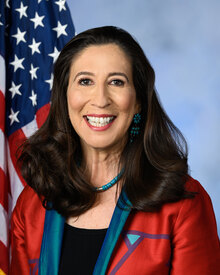
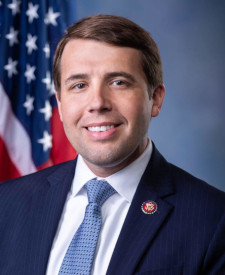
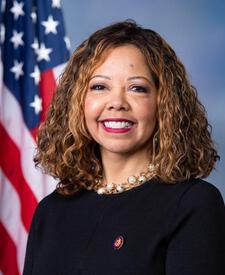
In CommitteeMs. Leger Fernandez (for herself, Mrs. McBath, and Mr. Pappas) …
Referred to the House Committee on Education and Workforce.
Introduced in House
Stakeholder Effects
cui bono?How this legislation distributes effects. Mention counts reflect frequency, not effect magnitude.
College compliance staff, Institutions of higher education, Institutions receiving prevention grants
Positive-direction: Institutions receiving prevention grants, Students
Negative-direction: College compliance staff, Institutions of higher education
Congressional education committees, Education Department staff, SAMHSA officials
Positive-direction: Congressional education committees
Negative-direction: Education Department staff, SAMHSA officials
Campus counseling centers, Students in recovery
Positive-direction: Students in recovery
Negative-direction: Campus counseling centers
Bill Structure & Actor Mappings
Who is "The Secretary" in each section?
We use a combination of our own taxonomy and classification in addition to large language models to assess meaning and potential beneficiaries. High confidence means strong textual evidence. Always verify with the original bill text.
Learn more about our methodology