Protecting TPLF From Abuse Act
Summary
What This Bill Does
The Protecting TPLF From Abuse Act adds a third-party beneficiary disclosure rule to chapter 111 of title 28. In most civil actions, a party or counsel of record must disclose in writing the identity of any non-counsel person with a legal right to receive payment or something of value contingent on the outcome or proceeds of the case or a related group of cases, including settlement, judgment, attorney-fee award, or other proceeds. The party or counsel must provide the court, for in camera review, any agreement or ancillary document creating that right, and after review must provide documents to other named parties for inspection and copying subject to protective orders, use limits, privilege limits, work-product protection, and donor/member protections. The bill excludes rights solely involving loan principal repayment, principal plus interest up to the higher of 10 percent or three times the annual average 30-year Treasury yield, attorney-fee reimbursement to counsel of record, or grant reimbursement. It protects donor, member, and associate lists unless those people also have covered contingent payment rights, and it states that disclosures are not made admissible merely because of the section.
Who Benefits and How
Civil defendants, plaintiffs, companies defending lawsuits, financial institutions funding litigation, judges, federal courts, and congressional judiciary committees benefit from more transparency about who has a financial stake in litigation outcomes. Parties evaluating settlement benefit because contingent payment rights and funding agreements can be identified early. Litigation-finance investors, nonprofit organizations, lenders, and grantmakers benefit from clearer exceptions for ordinary loan principal, limited interest, attorney-fee reimbursement, grant reimbursement, and donor/member lists. Judges benefit from in camera review authority and protective-order flexibility.
Who Bears the Burden and How
Plaintiffs, defendants, law firms, counsel of record, third-party litigation funders, financial institutions, and nonprofit organizations must identify covered contingent payment rights, produce agreements for court review, handle redactions, and disclose nonprivileged documents to other named parties. Federal courts and court staff must conduct in camera reviews and decide protective orders, privilege limits, work-product limits, donor/member protections, and use restrictions. Litigation funders may face strategic exposure, and parties may face added motion practice over whether an agreement is covered or excepted.
Key Provisions
- Requires written disclosure of non-counsel persons with contingent rights to litigation proceeds.
- Requires production of covered funding agreements and ancillary documents to the court for in camera review.
- Requires post-review production to other named parties subject to protective orders and privilege protections.
- Exempts specified loan principal, limited interest, attorney-fee reimbursement, and grant reimbursement rights.
- Protects donor, member, and associate identities unless they also hold covered contingent payment rights.
- Preserves admissibility limits for disclosed materials and information.
Evidence Chain:
This summary is generated from the full bill text using AI analysis. Expand "Detailed Analysis" below for identified beneficiaries/burden bearers with clause-level evidence links.
At a Glance
What This Bill Does
Requires parties or counsel in federal civil actions to disclose third-party litigation funding or other contingent payment rights to the court and other named parties, while protecting certain loans, attorney-fee reimbursement, grants, donor/member identities, privileged material, and admissibility limits.
Key Policy Areas
Legal Services, Financial Services, Civil Justice
Primary Purpose
Requires parties or counsel in federal civil actions to disclose third-party litigation funding or other contingent payment rights to the court and other named parties, while protecting certain loans, attorney-fee reimbursement, grants, donor/member identities, privileged material, and admissibility limits.
Policy Domains
Substantive provisions
Identified Gains
- Civil defendants
- Civil plaintiffs
- Companies defending lawsuits
- Financial institutions funding litigation
- Federal judges
- Congressional judiciary committees
- Litigation-finance investors
- Nonprofit organizations funding litigation
- Grantmakers
Identified Costs
- Parties in federal civil actions
- Law firms
- Counsel of record
- Third-party litigation funders
- Financial institutions
- Federal courts
- Court staff
- Litigation support staff
Sponsors
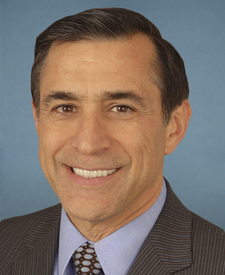

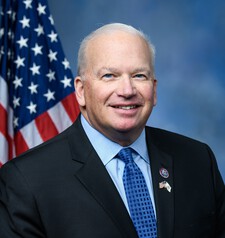
Legislative Progress
In CommitteeMr. Issa (for himself, Mr. Fitzgerald, and Mr. Baumgartner) introduced …
Referred to the House Committee on the Judiciary.
Introduced in House
Impact analysis is available but no clear stakeholder effects identified. View clause-level analysis →
Bill Structure & Actor Mappings
Who is "The Secretary" in each section?
We use a combination of our own taxonomy and classification in addition to large language models to assess meaning and potential beneficiaries. High confidence means strong textual evidence. Always verify with the original bill text.
Learn more about our methodology