Governing for the People Act
Summary
What This Bill Does
The Governing for the People Act is an omnibus package. It extends the Internal Revenue Code section 181 deduction for qualified film, television, and live theatrical productions through 2030, raises the aggregate production-cost cap to $30 million, raises the distressed-area substitution amount to $40 million, and adds inflation adjustments after 2026. It creates a new federal criminal offense for schemes to defraud veterans or obtain veterans benefits for an individual, punishable by up to five years. It allows the Agriculture Secretary to waive matching-fund requirements for recovery projects after wildland fires caused by USDA management activities on National Forest System land, so affected States, Indian Tribes, localities, and individuals can receive up to 100 percent federal support. It authorizes NSF AI-literacy awards for nonprofits, educational institutions, and consortia serving marginalized communities, and requires Labor, Commerce, SBA, and Education reports on advancing AI literacy. It requires a DNI report on China purchases of Iranian oil and China-linked transactions supporting Iran's ballistic missile program, followed by a Treasury sanctions determination. It mandates annual no-cost lung cancer screening coverage for eligible individuals through group health plans, issuers, individual coverage, and applicable federal health programs without prior authorization, step therapy, tighter frequency limits, or excessive documentation. It directs FEMA and HUD to implement GAO disaster-recovery recommendations, allows House salary payment schedule changes after a payroll upgrade, requires FEMA to administer and disburse Next Generation Warning System grants and conduct warning-system research, requires each House standing committee to hold an implementation hearing, sets PAYGO scoring by reference to a House Budget Committee statement, and includes a fiscal year 2027 appropriations title.
Who Benefits and How
Film, television, and live theatrical production companies benefit from a longer and larger section 181 deduction. Veterans and their dependents benefit from a new fraud offense aimed at scams involving veterans benefits. States, Indian Tribes, localities, and individuals affected by covered wildland fires benefit because USDA can waive cash match requirements. Nonprofits, schools, universities, community groups, seniors, people with disabilities, rural communities, communities of color, low-income populations, and small businesses benefit from AI-literacy awards or agency strategies. Eligible people needing lung cancer screening benefit from annual no-cost LDCT or comparable screening without utilization controls. Disaster-affected communities and emergency-warning grant recipients benefit from FEMA, HUD, and DHS implementation and disbursement duties. Congress benefits from China-Iran reporting, sanctions determinations, GAO recommendation implementation, and committee hearings.
Who Bears the Burden and How
Treasury and IRS staff must administer expanded section 181 deductions and inflation adjustments. Federal prosecutors and courts must handle veterans-benefits fraud cases. USDA wildfire recovery staff must determine covered wildland fires and process match waivers. NSF award staff, Labor, Commerce, SBA, and Education officials must run AI-literacy awards and reports. DNI and Treasury sanctions staff must analyze China-Iran oil, transshipment, shell-company, precursor, and ballistic-missile transactions. Health insurers and federal health programs must cover annual lung cancer screening without cost-sharing, prior authorization, step therapy, restrictive frequency limits, or extra documentation. FEMA, HUD, DHS Science and Technology, House payroll administrators, House committees, and budget staff must implement the disaster, warning-system, payroll, hearing, PAYGO, and appropriations provisions.
Key Provisions
- Extends and expands the section 181 deduction for film, television, and live theatrical productions through 2030.
- Creates a federal criminal offense for fraud involving veterans benefits.
- Authorizes USDA waiver of matching-fund requirements for covered wildland-fire recovery projects.
- Authorizes NSF AI-literacy awards and requires Labor, Commerce, SBA, and Education AI-literacy reports.
- Requires DNI China-Iran oil and ballistic-missile transaction reporting and a Treasury sanctions determination.
- Requires annual no-cost lung cancer screening coverage without prior authorization, step therapy, restrictive frequency limits, or excessive documentation.
- Requires FEMA and HUD implementation of GAO disaster-recovery recommendations.
- Allows House payroll schedule changes after a system upgrade if directed by the Committee on House Administration.
- Requires FEMA administration, disbursement, research, and reporting for the Next Generation Warning System grant program.
- Requires House implementation hearings, PAYGO score treatment, and fiscal year 2027 appropriations.
Evidence Chain:
This summary is generated from the full bill text using AI analysis. Expand "Detailed Analysis" below for identified beneficiaries/burden bearers with clause-level evidence links.
At a Glance
What This Bill Does
Combines a broad package of tax, veterans-protection, wildfire recovery, AI literacy, China-Iran sanctions oversight, lung-cancer screening, disaster recovery, House payroll, emergency-warning grants, House hearing, PAYGO, and appropriations provisions.
Key Policy Areas
Tax, Veterans, Disaster Recovery, Technology, Healthcare, Foreign Affairs, Government
Primary Purpose
Combines a broad package of tax, veterans-protection, wildfire recovery, AI literacy, China-Iran sanctions oversight, lung-cancer screening, disaster recovery, House payroll, emergency-warning grants, House hearing, PAYGO, and appropriations provisions.
Policy Domains
Substantive provisions
Identified Gains
- Film production companies
- Television production companies
- Live theatrical producers
- Veterans
- Veterans dependents
- Wildfire-affected States
- Indian Tribes affected by wildland fires
- AI literacy nonprofits
- Educational institutions
- Eligible lung cancer screening patients
- Disaster-affected communities
- Emergency warning grant recipients
Identified Costs
- Treasury tax administrators
- IRS guidance staff
- Federal prosecutors
- USDA wildfire recovery staff
- NSF award staff
- Labor Department workforce staff
- Commerce Department staff
- Small Business Administration staff
- Education Department staff
- DNI analysts
- Treasury sanctions staff
- Health insurers
- Federal health programs
- FEMA officials
- HUD officials
- House payroll administrators
Legislative Progress
In CommitteeReferred to the Subcommittee on Forestry and Horticulture.
Referred to the Subcommittee on Health.
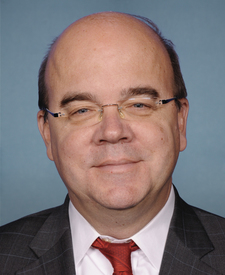
Mr. McGovern introduced the following bill; which was referred to …
Referred to the Committee on Ways and Means, and in …
Introduced in House
Stakeholder Effects
cui bono?How this legislation distributes effects. Mention counts reflect frequency, not effect magnitude.
Communities of color, Communities relying on accessible and resilient emergency warning systems, Disaster-affected communities that depend on federal recovery programs
Positive-direction: Communities of color, Communities relying on accessible and resilient emergency warning systems, Disaster-affected communities that depend on federal recovery programs, Low-income populations, People with disabilities, Rural communities, Senior citizens, States, Indian Tribes, localities, and individuals seeking recovery assistance after covered wildland fires, Veterans and dependents vulnerable to benefits fraud
Negative-direction: Individuals engaged in schemes to defraud veterans of benefits
Commerce Department AI policy staff, Department of Agriculture officials administering wildland fire recovery waivers, Director of National Intelligence and intelligence officials preparing the China-Iran transactions report
Positive-direction: State, local, Tribal, and territorial entities and other recipients of Next Generation Warning System grants
Negative-direction: Commerce Department AI policy staff, Department of Agriculture officials administering wildland fire recovery waivers, Director of National Intelligence and intelligence officials preparing the China-Iran transactions report, Federal Emergency Management Agency and Department of Homeland Security officials administering the warning-system grants and research, Federal Emergency Management Agency and Department of Housing and Urban Development officials implementing disaster recovery recommendations, Federal health programs, Federal tax revenue collections affected by the larger section 181 deduction, Labor Department workforce staff, NSF award staff, Treasury Department officials responsible for the sanctions determination and congressional report
Eligible lung cancer screening patients, High-risk smokers eligible for screening, Radiology providers
Film, television, and live theatrical production companies
Chinese entities engaged in sanctionable oil or ballistic missile-related activity involving Iran
Bill Structure & Actor Mappings
Who is "The Secretary" in each section?
We use a combination of our own taxonomy and classification in addition to large language models to assess meaning and potential beneficiaries. High confidence means strong textual evidence. Always verify with the original bill text.
Learn more about our methodology