Public Integrity in Financial Prediction Markets Act of 2026
Summary
What This Bill Does
The Public Integrity in Financial Prediction Markets Act of 2026 creates an insider-trading-style restriction for political prediction markets. Covered individuals include federal elected officials, House and Senate employees, political appointees, and executive-agency employees. They may not knowingly engage in a covered transaction if they possess material nonpublic information relevant to the prediction-market contract or may reasonably obtain that information in the course of official duties, including information not otherwise available to a diligent member of the public. Covered transactions are purchases, sales, or exchanges of prediction-market contracts related to government policy, government action, or political outcomes. Prediction-market contracts include financial instruments, contracts, or derivatives listed on or offered by a platform engaged in interstate commerce and tied to future events.
Who Benefits and How
The public benefits from a clearer rule preventing federal officials and staff from using government information for private prediction-market gains. Prediction-market users and platforms benefit from stronger integrity rules that can reduce suspicion that government insiders trade against ordinary participants. Ethics watchdogs, inspectors general, congressional ethics offices, and agency ethics officials benefit from a defined statutory standard for government-policy and political-outcome contracts.
Who Bears the Burden and How
Federal elected officials, congressional staff, political appointees, and executive-agency employees must avoid covered trades when they have or can obtain relevant nonpublic information through their duties. Prediction-market platforms may need surveillance, user-screening, or compliance processes for covered individuals. Ethics offices, inspectors general, and enforcement staff must interpret materiality, nonpublic information, official-duty access, and whether a contract relates to government policy, action, or political outcomes.
Key Provisions
- Prohibits covered federal officials and employees from knowingly trading covered prediction-market contracts with relevant material nonpublic information.
- Requires the trading ban to apply when official duties give the person reasonable access to relevant nonpublic information.
- Requires covered-individual treatment for federal elected officials, congressional employees, political appointees, and executive-agency employees.
- Restricts covered transactions involving purchases, sales, or exchanges tied to government policy, government action, or political outcomes.
- Requires event-linked instruments, contracts, or derivatives offered by interstate-commerce platforms to be treated as prediction-market contracts.
Evidence Chain:
This summary is generated from the full bill text using AI analysis. Expand "Detailed Analysis" below for identified beneficiaries/burden bearers with clause-level evidence links.
At a Glance
What This Bill Does
Bars federal elected officials, congressional employees, political appointees, and executive-agency employees from knowingly buying, selling, or exchanging prediction-market contracts tied to government policy, government action, or political outcomes when they possess or can reasonably obtain relevant material nonpublic information through official duties.
Key Policy Areas
Financial Services, Government, Ethics
Primary Purpose
Bars federal elected officials, congressional employees, political appointees, and executive-agency employees from knowingly buying, selling, or exchanging prediction-market contracts tied to government policy, government action, or political outcomes when they possess or can reasonably obtain relevant material nonpublic information through official duties.
Policy Domains
Substantive provisions
Identified Gains
- Prediction-market users
- Prediction-market platforms
- Ethics watchdogs
- Congressional ethics offices
- Agency ethics officials
- Inspectors general
Identified Costs
- Federal elected officials
- House employees
- Senate employees
- Political appointees
- Executive-agency employees
- Prediction-market compliance teams
Sponsors
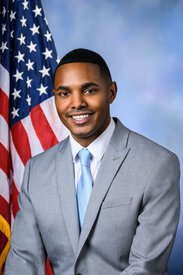
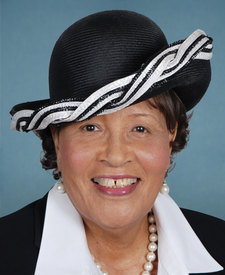

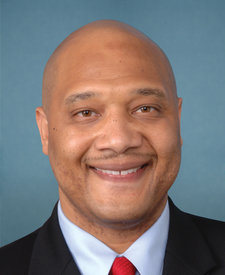
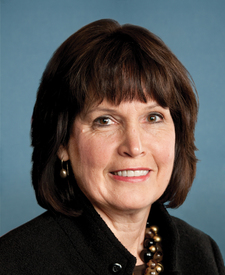
Legislative Progress
In CommitteeMr. Torres of New York (for himself, Ms. Titus, Mr. …
Referred to the Committee on Oversight and Government Reform, and …
Introduced in House
Stakeholder Effects
cui bono?How this legislation distributes effects. Mention counts reflect frequency, not effect magnitude.
Agency ethics officials, Congressional employees, Executive-agency employees
Prediction-market platforms, Prediction-market users
Bill Structure & Actor Mappings
Who is "The Secretary" in each section?
We use a combination of our own taxonomy and classification in addition to large language models to assess meaning and potential beneficiaries. High confidence means strong textual evidence. Always verify with the original bill text.
Learn more about our methodology