Mental Health TALK SAFE Act of 2026
Summary
What This Bill Does
The Mental Health TALK SAFE Act amends the Controlled Substances Act and related state-law treatment for telehealth mental health care. For approved mental health controlled substances, a telehealth practitioner may prescribe after at least one telehealth evaluation, and practitioners treating opioid use disorder may prescribe schedule II through V controlled substances after at least one telehealth evaluation. The bill defines approved mental health controlled substances, telehealth entities, exempt entities, health care providers, hospitals, federally qualified health centers, nonprofit organizations, interactive telecommunications systems, mental health disorders, telehealth evaluations, and related ownership and compensation restrictions. It allows a registrant dispensing through telemedicine or after a telehealth evaluation to avoid additional DEA registrations in each State where dispensing occurs, and lets qualifying telehealth practitioners use the telehealth entity address as their principal practice address. It treats covered psychiatrists licensed in a primary State as satisfying substantially similar secondary-State licensure requirements for covered psychiatry telehealth services, while preserving scope-of-practice limits and adjusting professional liability insurance treatment. Finally, it preempts State statutes, regulations, orders, or interpretations that directly or indirectly prohibit or restrict the Act's permitted activities.
Who Benefits and How
Patients with mental health disorders and patients with opioid use disorder benefit from easier access to telehealth prescribing when an in-person visit is unavailable or delayed. Telehealth psychiatrists, psychiatric clinicians, federally qualified health centers, hospitals, nonprofit providers, and compliant telehealth entities benefit from clearer prescribing, registration, and interstate-service rules. Covered psychiatrists benefit because a primary-State license can satisfy substantially similar secondary-State licensure requirements for remote covered psychiatry services. Pharmacies and patients may benefit if prescriptions are less likely to be rejected solely because telehealth evaluation supported them.
Who Bears the Burden and How
DEA registration and diversion-control staff must update controlled-substance registration, address, oversight, and enforcement systems for telehealth prescribing. State medical boards and State legislatures lose authority where their rules would restrict activities the Act permits, and must understand the federal preemption boundary. Telehealth entities must satisfy staffing, ownership, compensation, compliance, exempt-entity, and patient-volume conditions. Covered psychiatrists, liability insurers, and health systems must track primary-State, secondary-State, scope-of-practice, and insurance-coverage rules. Regulators and pharmacies must monitor diversion risk while allowing the newly permitted telehealth prescriptions.
Key Provisions
- Authorizes telehealth prescribing of approved mental health controlled substances after at least one telehealth evaluation.
- Authorizes telehealth prescribing of schedule II through V controlled substances for opioid-use-disorder treatment after at least one telehealth evaluation.
- Removes the need for additional DEA registrations in each State when dispensing occurs through telemedicine or after a telehealth evaluation.
- Allows qualifying telehealth practitioners to use a telehealth entity address as their principal practice address.
- Treats covered psychiatrists as satisfying substantially similar secondary-State licensure requirements for covered telepsychiatry services.
- Preempts State laws that directly or indirectly prohibit or restrict the activities permitted by the Act.
Evidence Chain:
This summary is generated from the full bill text using AI analysis. Expand "Detailed Analysis" below for identified beneficiaries/burden bearers with clause-level evidence links.
At a Glance
What This Bill Does
Expands telehealth prescribing authority for approved mental health controlled substances and opioid-use-disorder treatment, streamlines DEA registration rules for telehealth practitioners, creates interstate licensure treatment for covered psychiatrists, and preempts State restrictions that would block the bill's permitted telehealth activities.
Key Policy Areas
Healthcare, Telecommunications, Law Enforcement, State & Local Government
Primary Purpose
Expands telehealth prescribing authority for approved mental health controlled substances and opioid-use-disorder treatment, streamlines DEA registration rules for telehealth practitioners, creates interstate licensure treatment for covered psychiatrists, and preempts State restrictions that would block the bill's permitted telehealth activities.
Policy Domains
Substantive provisions
Identified Gains
- Patients with mental health disorders
- Patients with opioid use disorder
- Telehealth psychiatrists
- Psychiatric clinicians
- Federally qualified health centers
- Hospitals
- Nonprofit providers
- Telehealth entities
Identified Costs
- DEA registration staff
- State medical boards
- State legislatures
- Telehealth entity compliance teams
- Professional liability insurers
- Pharmacies
Sponsors
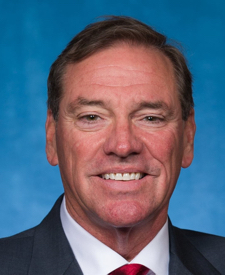
Neal P. Dunn
R-FL | Primary Sponsor

Legislative Progress
In CommitteeMr. Dunn of Florida introduced the following bill; which was …
Referred to the Committee on Energy and Commerce, and in …
Introduced in House
Stakeholder Effects
cui bono?How this legislation distributes effects. Mention counts reflect frequency, not effect magnitude.
Covered psychiatrists, Health systems employing psychiatrists, Patients seeking telepsychiatry
State legislatures, State medical boards
DEA diversion-control staff, DEA registration staff
Bill Structure & Actor Mappings
Who is "The Secretary" in each section?
We use a combination of our own taxonomy and classification in addition to large language models to assess meaning and potential beneficiaries. High confidence means strong textual evidence. Always verify with the original bill text.
Learn more about our methodology