BEACON Act of 2026
Summary
What This Bill Does
The BEACON Act of 2026 creates two VA grant programs for chronic mild traumatic brain injury treatment in veterans. Section 2 requires the Secretary of Veterans Affairs to establish the TBI Innovation Grant Program for nonprofit organizations, academic TBI researchers, non-VA neurorehabilitation providers, and other eligible entities. Grants support development, implementation, and evaluation of prospective randomized control trials for neurorehabilitation treatments for chronic mild TBI in veterans.
The TBI Innovation Grant Program can fund novel or integrative treatments that prioritize patient-centered care, including non-pharmacological therapies. It can support clinical studies measuring mental-health outcomes, reduced suicidality, reduced depression and substance-use risk factors, and mitigation of long-term mTBI effects. It also supports clinician training, outreach to veterans and families, and partnerships with community organizations, academic institutions, and VA health care facilities.
Section 3 creates a VA research grant program for independent third-party research studies and applied treatment programs for TBI in veterans. Each fiscal year, the Secretary must award four exploratory or pilot grants of up to $625,000 and five collaborative or multidisciplinary grants of up to $1.5 million. At least three exploratory grants must go to nonprofit organizations. The Secretary must also enter an agreement with an independent third-party organization for program evaluation and research integrity.
Who Benefits and How
Veterans with chronic mild TBI benefit because the bill funds trials, applied treatment programs, clinician training, family outreach, and patient-centered neurorehabilitation methods aimed at mental health, suicidality, depression, substance-use risk, and long-term TBI effects. Nonprofit TBI research organizations benefit from grant eligibility and a required set-aside of at least three exploratory grants. Academic TBI research institutions benefit from eligibility for pilot and multidisciplinary research awards. Non-VA neurorehabilitation providers benefit because they can receive grants and partner with VA facilities. VA health care facilities benefit from partnerships that test and spread best practices.
Who Bears the Burden and How
VA grant-program staff must design applications, select grantees, monitor clinical-trial and treatment activities, and manage an independent third-party evaluation agreement. Eligible grantees must submit applications, methodology summaries, expected outcomes, and assurances. Independent third-party evaluators must assess research integrity and program outcomes. VA clinicians may need to coordinate training, outreach, and implementation with outside grantees. Nonprofit grantees receiving priority awards must meet the bill's research and reporting expectations.
Key Provisions
- Establishes the VA TBI Innovation Grant Program for chronic mild TBI neurorehabilitation in veterans.
- Authorizes nonprofit organizations, academic TBI researchers, non-VA neurorehabilitation providers, and other approved entities to receive grants.
- Funds randomized-control-trial design, non-pharmacological therapies, clinical studies, clinician training, veteran-family outreach, and VA-community partnerships.
- Establishes a second VA research grant program for TBI studies and applied treatment.
- Requires four annual exploratory or pilot grants of up to $625,000.
- Requires five annual collaborative or multidisciplinary grants of up to $1.5 million.
- Requires at least three exploratory grants to nonprofit organizations and independent third-party evaluation.
Evidence Chain:
This summary is generated from the full bill text using AI analysis. Expand "Detailed Analysis" below for identified beneficiaries/burden bearers with clause-level evidence links.
At a Glance
What This Bill Does
Creates two Department of Veterans Affairs grant programs for supplemental neurorehabilitation approaches to chronic mild traumatic brain injury in veterans, including randomized-control-trial design, patient-centered non-pharmacological therapies, clinician training, outreach, independent third-party research, and annual awards of up to $625,000 or $1.5 million.
Key Policy Areas
Veterans Health, Brain Injury, Medical Research, Federal Grants
Primary Purpose
Creates two Department of Veterans Affairs grant programs for supplemental neurorehabilitation approaches to chronic mild traumatic brain injury in veterans, including randomized-control-trial design, patient-centered non-pharmacological therapies, clinician training, outreach, independent third-party research, and annual awards of up to $625,000 or $1.5 million.
Policy Domains
House resolution provisions
Identified Gains
- Veterans with chronic mild TBI
- Nonprofit TBI research organizations
- Academic TBI research institutions
- Non-VA neurorehabilitation providers
- VA health care facilities
Identified Costs
- VA grant-program staff
- Eligible grantees
- Independent third-party evaluators
- VA clinicians
- Nonprofit grantees
Sponsors

Legislative Progress
ReportedOrdered to be Reported (Amended) by the Yeas and Nays: …
Committee Consideration and Mark-up Session Held
Forwarded by Subcommittee to Full Committee (Amended) by the Yeas …
Subcommittee Consideration and Mark-up Session Held
Referred to the Subcommittee on Health.
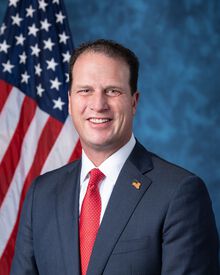
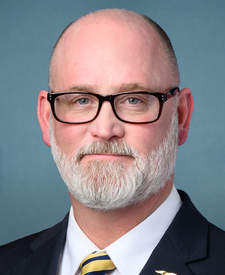
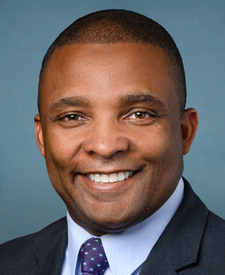
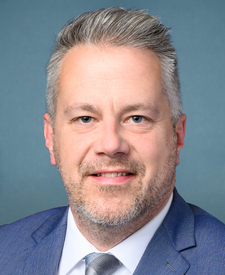
Mr. Bergman (for himself, Ms. Elfreth, Ms. King-Hinds, Mr. Davis …
Referred to the House Committee on Veterans' Affairs.
Introduced in House
Stakeholder Effects
cui bono?How this legislation distributes effects. Mention counts reflect frequency, not effect magnitude.
VA grant-program staff, VA research grant staff, Veterans with TBI
Positive-direction: Veterans with TBI, Veterans with chronic mild TBI
Negative-direction: VA grant-program staff, VA research grant staff
Academic TBI research institutions, Nonprofit TBI research organizations
Bill Structure & Actor Mappings
Who is "The Secretary" in each section?
- "secretary"
- → Secretary of Veterans Affairs
We use a combination of our own taxonomy and classification in addition to large language models to assess meaning and potential beneficiaries. High confidence means strong textual evidence. Always verify with the original bill text.
Learn more about our methodology