EB–5 Regional Center Program Advisory Committee Authorization Act
Summary
What This Bill Does
The EB-5 Regional Center Program Advisory Committee Authorization Act adds a new advisory committee section to the Homeland Security Act. USCIS must establish an EB-5 Regional Center Program Advisory Committee that advises the USCIS Director, develops program-improvement recommendations, submits annual and periodic reports, and gives quarterly briefings to Judiciary and Appropriations Committees. The committee can have up to 35 members appointed by the Homeland Security Secretary, including representatives of Federal, State, local, and Tribal governments and EB-5 regional centers in good standing from categories such as high-unemployment, rural, infrastructure, and Census regions. Recommendations must be approved by a majority before annual submission and cannot be petition- or case-specific. The bill requires subcommittees, meeting and vacancy procedures, conflict-of-interest rules, limits on compensation, public annual-report publication within six months, and termination when all EB-5 Regional Center Program benefits have been adjudicated.
Who Benefits and How
EB-5 regional centers benefit because the bill gives them a formal advisory channel to recommend operational improvements to USCIS. State, local, Tribal, and federal economic-development officials benefit from seats in discussions about regional-center categories, rural and high-unemployment projects, infrastructure projects, and geographic representation. USCIS leadership and Congress benefit from annual reports, subcommittee findings, public versions of reports, and quarterly briefings that can identify processing, policy, and integrity issues. Foreign immigrant investors and project sponsors may benefit if recommendations improve program administration without case-specific intervention.
Who Bears the Burden and How
USCIS EB-5 program staff must establish and manage the committee, appoint members, run meetings, review recommendations, publish public reports, brief Congress quarterly, support subcommittees, and police conflicts. Homeland Security officials must approve appointments and individual representatives. Advisory Committee members must comply with membership categories, conflict rules, compensation limits, and reporting procedures. Regional centers may gain influence but cannot seek petition- or case-specific recommendations, and the agency must ensure the committee does not conflict with EB-5 Reform and Integrity Act limits.
Key Provisions
- Establishes an EB-5 Regional Center Program Advisory Committee within USCIS.
- Requires the committee to advise, consult, report, and recommend improvements to the USCIS Director.
- Requires annual reports, public report versions, and quarterly briefings to Judiciary and Appropriations Committees.
- Requires membership from government representatives and EB-5 regional centers in good standing across specified categories.
- Bars petition- or case-specific recommendations and preserves consistency with the EB-5 Reform and Integrity Act of 2022.
Evidence Chain:
This summary is generated from the full bill text using AI analysis. Expand "Detailed Analysis" below for identified beneficiaries/burden bearers with clause-level evidence links.
At a Glance
What This Bill Does
Creates an EB-5 Regional Center Program Advisory Committee inside USCIS to advise, report, and recommend improvements on the EB-5 Regional Center Program, with regional-center and government representatives, subcommittees, annual reports, quarterly congressional briefings, conflict rules, and public transparency requirements.
Key Policy Areas
Immigration, Real Estate, Government, Economic Development
Primary Purpose
Creates an EB-5 Regional Center Program Advisory Committee inside USCIS to advise, report, and recommend improvements on the EB-5 Regional Center Program, with regional-center and government representatives, subcommittees, annual reports, quarterly congressional briefings, conflict rules, and public transparency requirements.
Policy Domains
Substantive provisions
Identified Gains
- EB-5 regional centers
- USCIS leadership
- State economic-development officials
- Local government representatives
- Tribal government representatives
- Foreign immigrant investors
- Congressional Judiciary Committees
Identified Costs
- USCIS EB-5 program staff
- Homeland Security appointment officials
- Advisory Committee members
- Regional center compliance teams
Sponsors
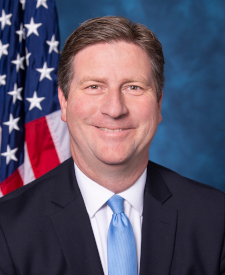

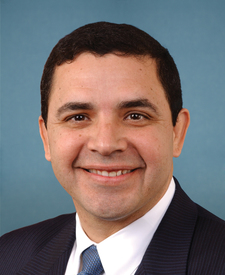


Legislative Progress
In CommitteeMr. Stanton (for himself, Mr. Fitzpatrick, Mr. Liccardo, and Mr. …
Referred to the House Committee on the Judiciary.
Introduced in House
Stakeholder Effects
cui bono?How this legislation distributes effects. Mention counts reflect frequency, not effect magnitude.
Congressional Judiciary Committees, Homeland Security appointment officials, USCIS EB-5 program staff
Positive-direction: Congressional Judiciary Committees
Negative-direction: Homeland Security appointment officials, USCIS EB-5 program staff
Local government representatives, State economic-development officials
Bill Structure & Actor Mappings
Who is "The Secretary" in each section?
We use a combination of our own taxonomy and classification in addition to large language models to assess meaning and potential beneficiaries. High confidence means strong textual evidence. Always verify with the original bill text.
Learn more about our methodology