Public Charge Clarification Act of 2026
Summary
What This Bill Does
The Public Charge Clarification Act of 2026 rewrites the public-charge ground of inadmissibility in the Immigration and Nationality Act. It defines public charge around receipt, or likely future receipt, of one or more listed public benefits for more than 12 months in the aggregate during a 36-month period, with two benefits in one month counting as two months. The listed benefits include SSI, TANF, cash assistance, SNAP, Section 8 vouchers, project-based rental assistance, public housing, Medicaid with exceptions for emergency care, minors, and pregnant women, Affordable Care Act premium credits and cost-sharing reductions, and any other similar monetizable or non-monetizable Federal, State, local, or Tribal benefits, including future programs. DHS, through USCIS, must publish a comprehensive Federal Register list within 180 days and update it as new programs are created. Immigration adjudicators must consider age, health, family status, assets, resources, financial status, education, skills, prospective status, expected admission period, and affidavits of support, while applying new rules for bonds, waivers, and support affidavits. Conforming amendments make public-charge references in federal law follow the new definition.
Who Benefits and How
Taxpayers and policymakers seeking stricter immigrant self-sufficiency screening benefit because more public benefits would count in inadmissibility decisions. USCIS adjudicators, consular officers, and immigration judges benefit from a more detailed statutory list, Federal Register publication requirement, and support-affidavit framework. State and local benefit administrators may benefit from clearer federal treatment of public benefits when advising immigrant households about eligibility consequences.
Who Bears the Burden and How
Immigrants applying for visas, admission, or adjustment of status bear the burden because using or being likely to use listed benefits can create a bar to entry or status even when benefits are non-cash. Mixed-status families may avoid SNAP, Medicaid, housing assistance, ACA subsidies, or other benefits because of immigration risk. USCIS, DHS, consular, and immigration court staff must update forms, guidance, training, bond procedures, waiver reviews, Federal Register lists, and affidavit-of-support compliance. Legal aid organizations and immigration attorneys must counsel clients through a broader and more complex public-charge test.
Key Provisions
- Amends INA section 212(a)(4) to define public charge using aggregate receipt of listed public benefits over 36 months.
- Requires DHS and USCIS to publish and update a Federal Register list of covered public benefits.
- Requires adjudicators to consider age, health, family status, resources, financial status, education, skills, immigration status, admission period, and support affidavits.
- Tightens waiver, bond, and affidavit-of-support rules for public-charge determinations.
- Requires federal law and regulation references to public charge to follow the amended definition.
Evidence Chain:
This summary is generated from the full bill text using AI analysis. Expand "Detailed Analysis" below for identified beneficiaries/burden bearers with clause-level evidence links.
At a Glance
What This Bill Does
Codifies a broad public-charge inadmissibility framework that counts specified cash, nutrition, housing, medical, premium-subsidy, and future public benefits; requires DHS to publish and update the benefits list; and tightens affidavit, waiver, and bond rules for visa, admission, and adjustment decisions.
Key Policy Areas
Immigration, Social Services, Healthcare, Housing
Primary Purpose
Codifies a broad public-charge inadmissibility framework that counts specified cash, nutrition, housing, medical, premium-subsidy, and future public benefits; requires DHS to publish and update the benefits list; and tightens affidavit, waiver, and bond rules for visa, admission, and adjustment decisions.
Policy Domains
Substantive provisions
Identified Gains
- Federal taxpayers
- USCIS adjudicators
- Consular officers
- Immigration judges
- State benefit administrators
Identified Costs
- Immigrants applying for visas
- Immigrants seeking adjustment of status
- Mixed-status families
- DHS policy staff
- USCIS forms staff
- Legal aid organizations
- Immigration attorneys
Sponsors
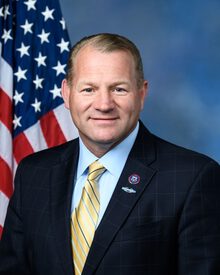
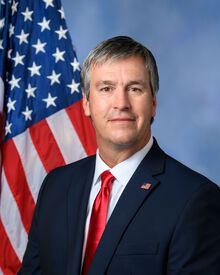

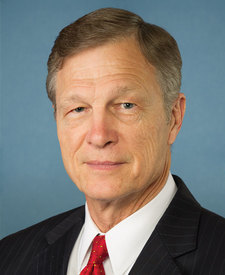
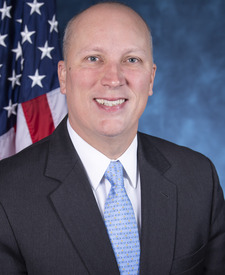
Legislative Progress
In CommitteeMr. Nehls (for himself, Mr. Moore of Alabama, Mr. Weber …
Referred to the House Committee on the Judiciary.
Introduced in House
Stakeholder Effects
cui bono?How this legislation distributes effects. Mention counts reflect frequency, not effect magnitude.
Sponsors and households supporting immigrants subject to the public-charge test, Sponsors filing affidavits of support for immigrants, Visa applicants and adjustment applicants likely to use listed public benefits
U.S. immigration adjudicators and consular officials administering the expanded public-charge framework
Bill Structure & Actor Mappings
Who is "The Secretary" in each section?
We use a combination of our own taxonomy and classification in addition to large language models to assess meaning and potential beneficiaries. High confidence means strong textual evidence. Always verify with the original bill text.
Learn more about our methodology