PRICE Act
Summary
What This Bill Does
The PRICE Act requires large U.S. data centers to self-generate their annual electricity consumption. Covered data centers are facilities described in the Energy Independence and Security Act data center definition that consume at least 50 megawatts each day. Every covered data center must generate all electricity it consumes each year. From January 1, 2035 until January 1, 2040, at least 75 percent of that generated electricity must come from clean energy sources. Beginning January 1, 2040, 100 percent must come from clean energy. Clean energy includes solar, wind, batteries, green hydrogen, hydropower, and geothermal sources. Violations carry civil penalties of up to $100,000 per day until rectified, and DOE must establish the civil-penalty administrative process within 30 days after enactment.
Who Benefits and How
Residential electricity consumers and small-business electricity customers benefit if large data centers rely less on grid power that can increase local demand and rates. Clean energy developers, battery suppliers, green hydrogen firms, hydropower operators, and geothermal developers benefit from a compliance-driven market for data-center power. Grid planners benefit if covered data centers reduce net demand pressure by generating their own electricity.
Who Bears the Burden and How
Large data center operators must finance, build, contract for, or otherwise generate enough electricity to cover annual consumption, then meet 75 percent clean-energy generation in 2035 and 100 percent by 2040. DOE enforcement staff must create a penalty process within 30 days and assess daily penalties for violations. Utilities may lose high-load sales or need to coordinate interconnection and reliability around self-generation projects.
Key Provisions
- Requires covered data centers to generate all electricity they consume each year.
- Requires at least 75 percent clean energy generation beginning January 1, 2035.
- Requires 100 percent clean energy generation beginning January 1, 2040.
- Defines clean energy to include solar, wind, batteries, green hydrogen, hydropower, and geothermal sources.
- Authorizes civil penalties of up to $100,000 per day and requires DOE to create a penalty process within 30 days.
Evidence Chain:
This summary is generated from the full bill text using AI analysis. Expand "Detailed Analysis" below for identified beneficiaries/burden bearers with clause-level evidence links.
At a Glance
What This Bill Does
Requires U.S. data centers consuming at least 50 megawatts per day to generate all electricity they consume each year, with at least 75 percent from clean energy starting in 2035 and 100 percent from clean energy starting in 2040, backed by DOE civil penalties of up to $100,000 per day.
Key Policy Areas
Energy, Technology, Utilities
Primary Purpose
Requires U.S. data centers consuming at least 50 megawatts per day to generate all electricity they consume each year, with at least 75 percent from clean energy starting in 2035 and 100 percent from clean energy starting in 2040, backed by DOE civil penalties of up to $100,000 per day.
Policy Domains
Substantive provisions
Identified Gains
- Residential electricity consumers
- Small-business electricity customers
- Clean energy developers
- Battery suppliers
- Grid planners
Identified Costs
- Large data center operators
- DOE enforcement staff
- Electric utilities
- Data center energy procurement teams
Sponsors
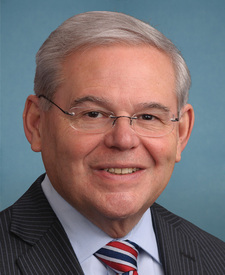


Legislative Progress
In CommitteeMr. Menendez (for himself and Mr. Casar) introduced the following …
Referred to the House Committee on Energy and Commerce.
Introduced in House
Stakeholder Effects
cui bono?How this legislation distributes effects. Mention counts reflect frequency, not effect magnitude.
Electric utilities, Residential electricity consumers
Bill Structure & Actor Mappings
Who is "The Secretary" in each section?
We use a combination of our own taxonomy and classification in addition to large language models to assess meaning and potential beneficiaries. High confidence means strong textual evidence. Always verify with the original bill text.
Learn more about our methodology