NOVA Act of 2026
Summary
What This Bill Does
The NOVA Act of 2026 is a Venezuela non-occupation funding restriction. It prohibits federal funds from being obligated or spent to directly or indirectly support any assertion of U.S. possession, supervision, jurisdiction, control, or sovereignty over Venezuelan territory or resources, including deployment of U.S. Armed Forces in Venezuela. The bill preserves narrow property exceptions: the President may acquire suitable Venezuelan property for U.S. diplomatic or consular establishments with the relevant owner's approval and title exchange, and may designate existing U.S. properties in Venezuela for diplomatic or consular use. It also preserves U.S. title to property conveyed before January 1, 2026. The restriction does not alter or affect authorities or funding for emergency humanitarian aid.
Who Benefits and How
Congressional opponents of U.S. occupation or internal administration of Venezuela benefit because the bill creates a direct funding bar. Venezuelan sovereignty interests benefit because federal funds could not support U.S. control over Venezuelan territory or resources. State Department diplomatic operations benefit from exceptions preserving consular and embassy property authorities. Humanitarian organizations benefit because emergency humanitarian aid funding is not cut off.
Who Bears the Burden and How
Defense Department planners, White House national security staff, and agencies involved in Venezuela policy must ensure federal funds are not used for occupation, supervision, jurisdiction, control, sovereignty claims, or deployment for internal administration. State Department property officers must stay within the diplomatic and consular property exceptions. Federal budget officials must monitor compliance, and military planners may face operational limits if a Venezuela deployment would support prohibited control.
Key Provisions
- Prohibits federal funds for U.S. possession, supervision, jurisdiction, control, or sovereignty over Venezuela.
- Blocks funding for U.S. Armed Forces deployment in Venezuela when tied to occupation or internal administration.
- Preserves diplomatic and consular property acquisition or designation authorities.
- Protects U.S. title to Venezuelan property conveyed before January 1, 2026.
- Preserves emergency humanitarian aid authorities and funding.
Evidence Chain:
This summary is generated from the full bill text using AI analysis. Expand "Detailed Analysis" below for identified beneficiaries/burden bearers with clause-level evidence links.
At a Glance
What This Bill Does
Bars federal funds from supporting any U.S. possession, supervision, jurisdiction, control, sovereignty, occupation, or internal administration of Venezuela, while preserving diplomatic and consular property authorities, pre-2026 U.S. property title, and emergency humanitarian aid funding.
Key Policy Areas
Foreign Affairs, Defense, Government
Primary Purpose
Bars federal funds from supporting any U.S. possession, supervision, jurisdiction, control, sovereignty, occupation, or internal administration of Venezuela, while preserving diplomatic and consular property authorities, pre-2026 U.S. property title, and emergency humanitarian aid funding.
Policy Domains
Substantive provisions
Identified Gains
- Congressional nonintervention advocates
- Venezuelan sovereignty interests
- State Department diplomatic operations
- Humanitarian organizations
Identified Costs
- Defense Department planners
- White House national security staff
- State Department property officers
- Federal budget officials
- Military operational planners
Sponsors

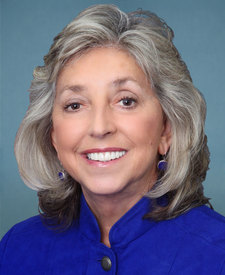

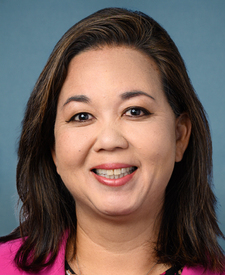
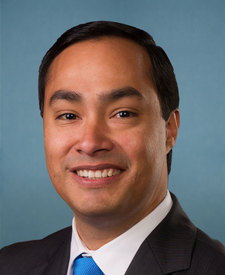
Legislative Progress
In CommitteeMr. Krishnamoorthi (for himself and Mr. Castro of Texas) introduced …
Referred to the Committee on Foreign Affairs, and in addition …
Introduced in House
Stakeholder Effects
cui bono?How this legislation distributes effects. Mention counts reflect frequency, not effect magnitude.
Congressional nonintervention advocates, State Department property officers
Positive-direction: Congressional nonintervention advocates
Negative-direction: State Department property officers
Bill Structure & Actor Mappings
Who is "The Secretary" in each section?
We use a combination of our own taxonomy and classification in addition to large language models to assess meaning and potential beneficiaries. High confidence means strong textual evidence. Always verify with the original bill text.
Learn more about our methodology