Fraud Accountability Act
Summary
What This Bill Does
The Fraud Accountability Act amends INA section 237(a)(2)(A) to add a new fraud deportability clause. It states that notwithstanding the existing aggravated-felony fraud-loss threshold, any alien convicted of a crime involving fraud against a private individual, fund, corporation, or government entity is deportable. It updates cross-references in the same deportability paragraph. The Act takes effect on enactment. Its applicability clause reaches fraud conduct committed on or after September 30, 1996 against private individuals, funds, corporations, or government entities when the alien was not arrested, charged, or indicted before enactment.
Who Benefits and How
Fraud victims, private companies, funds, and government entities benefit because immigration consequences would attach to fraud convictions without needing to meet the aggravated-felony monetary threshold. DHS prosecutors and immigration enforcement officers benefit from a simpler deportability ground for fraud convictions. Lawmakers seeking stricter fraud consequences benefit from retroactive applicability for older uncharged conduct.
Who Bears the Burden and How
Noncitizens convicted of fraud face removal risk even when the fraud loss amount is below the aggravated-felony threshold. Immigration judges, DHS attorneys, and defense counsel must litigate whether the conviction qualifies, whether the conduct date falls after September 30, 1996, and whether the person had been arrested, charged, or indicted before enactment. Families of removable noncitizens may face disruption from removal proceedings.
Key Provisions
- Amends INA deportability rules to add fraud convictions as a deportable offense.
- Overrides the aggravated-felony fraud-loss threshold for the new deportability ground.
- Applies to fraud against private individuals, funds, corporations, and government entities.
- Provides applicability for conduct committed on or after September 30, 1996 when no pre-enactment arrest, charge, or indictment occurred.
Evidence Chain:
This summary is generated from the full bill text using AI analysis. Expand "Detailed Analysis" below for identified beneficiaries/burden bearers with clause-level evidence links.
At a Glance
What This Bill Does
Makes any alien convicted of fraud against a private individual, fund, corporation, or government entity deportable regardless of the aggravated-felony fraud-loss threshold, with applicability to qualifying fraud conduct committed on or after September 30, 1996 if the person was not arrested, charged, or indicted before enactment.
Key Policy Areas
Immigration, Law Enforcement
Primary Purpose
Makes any alien convicted of fraud against a private individual, fund, corporation, or government entity deportable regardless of the aggravated-felony fraud-loss threshold, with applicability to qualifying fraud conduct committed on or after September 30, 1996 if the person was not arrested, charged, or indicted before enactment.
Policy Domains
Substantive provisions
Identified Gains
- Fraud victims
- Private companies harmed by fraud
- Government entities harmed by fraud
- DHS immigration prosecutors
- Immigration enforcement officers
Identified Costs
- Noncitizens convicted of fraud
- Immigration judges
- DHS attorneys
- Criminal defense counsel
- Families of removable noncitizens
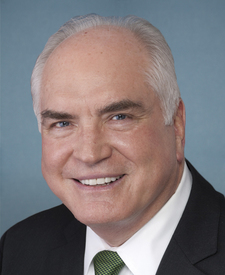
Sponsors



Legislative Progress
In CommitteeMr. Carter of Georgia (for himself, Mr. Wied, and Mr. …
Referred to the House Committee on the Judiciary.
Introduced in House
Stakeholder Effects
cui bono?How this legislation distributes effects. Mention counts reflect frequency, not effect magnitude.
Naturalized citizens with qualifying post-1996 fraud conduct covered by the bill's retroactive applicability rule, Noncitizens convicted of fraud offenses
Bill Structure & Actor Mappings
Who is "The Secretary" in each section?
We use a combination of our own taxonomy and classification in addition to large language models to assess meaning and potential beneficiaries. High confidence means strong textual evidence. Always verify with the original bill text.
Learn more about our methodology