Immersive Technology for the American Workforce Act of 2025
Summary
What This Bill Does
The Immersive Technology for the American Workforce Act of 2025 directs the Secretary of Labor to award competitive grants within one year for immersive technology education and training services programs. Eligible entities are industry or sector partnerships that include higher education institutions, community colleges, career and technical education schools, postsecondary vocational institutions, or consortia. Grant recipients must create, align, and implement career pathways using immersive technology to provide integrated education and training for in-demand jobs, students including service members and veterans, people with barriers to employment, instructor training, and rural communities. Grants last no more than five years, and an entity cannot receive a later grant for the same purpose. Priority goes to applicants aligned with WIOA or Perkins plans, connected to employers committed to hiring trainees, involving community colleges or career-technical schools, using evidence of employer need, targeting in-demand sectors, retraining workers from declining sectors, serving people with barriers, or serving rural communities. Recipients must report performance data after two years and annually thereafter. DOL must summarize those reports to Congress every two years, reserve 1 to 5 percent for independent evaluation and technical assistance, publish best practices after year three, and the bill authorizes $50 million annually from 2026 through 2035.
Who Benefits and How
Community colleges, career and technical education schools, workforce boards, and industry partnerships benefit from grant funding for VR, AR, MR, and XR training programs. Students, veterans, service members, rural workers, workers from declining industries, and people with barriers to employment benefit if immersive training creates accessible pathways into in-demand occupations. Employers benefit from training pipelines built around demonstrated hiring needs.
Who Bears the Burden and How
Grant applicants must prepare detailed applications, document program quality for credentials, align with WIOA or Perkins plans, prove employer need with quantitative evidence, and manage five-year grants. Recipients must report WIOA performance indicators disaggregated by participant groups after two years and annually after that. DOL grant staff must run the competition, evaluate applications, reserve money for independent evaluation and technical assistance, publish best practices, and report to Congress every two years. Federal taxpayers fund the $50 million annual authorization.
Key Provisions
- Authorizes competitive Labor Department grants for immersive technology career pathways.
- Requires grant programs to use VR, AR, mixed reality, extended reality, or related tools for education and training.
- Prioritizes employer-connected, WIOA-aligned, Perkins-aligned, rural, barrier-to-employment, retraining, and in-demand sector proposals.
- Requires recipient performance reports and biennial Labor Department reports to Congress.
- Authorizes $50 million per year from fiscal years 2026 through 2035.
Evidence Chain:
This summary is generated from the full bill text using AI analysis. Expand "Detailed Analysis" below for identified beneficiaries/burden bearers with clause-level evidence links.
At a Glance
What This Bill Does
Authorizes $50 million per year from fiscal years 2026 through 2035 for Labor Department competitive grants to industry or sector partnerships using immersive technology, including virtual reality, augmented reality, mixed reality, and extended reality, in career pathways and workforce training.
Key Policy Areas
Labor, Education, Technology
Primary Purpose
Authorizes $50 million per year from fiscal years 2026 through 2035 for Labor Department competitive grants to industry or sector partnerships using immersive technology, including virtual reality, augmented reality, mixed reality, and extended reality, in career pathways and workforce training.
Policy Domains
Substantive provisions
Identified Gains
- Community colleges
- Career and technical education schools
- Workforce boards
- Industry partnerships
- Students
- Veterans
- Service members
- Rural workers
- Employers in in-demand sectors
Identified Costs
- Grant applicants
- Grant recipients
- DOL grant staff
- Independent evaluators
- Federal taxpayers
Sponsors


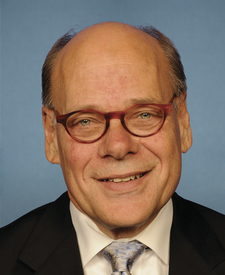
Legislative Progress
In CommitteeMr. Mannion (for himself and Mr. Evans of Colorado) introduced …
Referred to the House Committee on Education and Workforce.
Introduced in House
Stakeholder Effects
cui bono?How this legislation distributes effects. Mention counts reflect frequency, not effect magnitude.
Career technical education schools, Community colleges, Grant recipients
Positive-direction: Career technical education schools, Community colleges, Students in workforce programs
Negative-direction: Grant recipients
Bill Structure & Actor Mappings
Who is "The Secretary" in each section?
We use a combination of our own taxonomy and classification in addition to large language models to assess meaning and potential beneficiaries. High confidence means strong textual evidence. Always verify with the original bill text.
Learn more about our methodology