To reauthorize and amend the Nicaraguan Investment Conditionality Act of 2018 and the Reinforcing Nicaragua’s Adherence to Conditions for Electoral Reform Act of 2021, and for other purposes.
Analysis under review: This bill has generated analysis that may be too generic or incomplete. Clause-level evidence remains available below.
Summary
What This Bill Does
This bill expands US sanctions on Nicaragua's Ortega regime, targeting sectors of the economy that benefit the ruling family (especially gold mining), and imposes penalties for human rights abuses against the Catholic Church, political prisoners, and opposition groups. It also prohibits new US investment in Nicaragua and requires review of Nicaragua's participation in the CAFTA-DR trade agreement.
Who Benefits and How
- Nicaraguan political opposition and civil society: Receive support through grants for human rights and democracy programs, including documentation of abuses
- Catholic Church and religious leaders in Nicaragua: Protected by new sanctions authority targeting those who persecute religious freedom
- Political prisoners and their families: Benefit from international pressure and UN human rights investigations
- Human rights organizations: May receive federal grants to document abuses and promote democracy
Who Bears the Burden and How
- US investors with interests in Nicaragua: Prohibited from making new investments in any sector of the Nicaraguan economy
- Nicaraguan gold mining sector: Subject to expanded sanctions targeting economic activities that benefit the Ortega family
- Companies doing business with Nicaragua: Face increased compliance requirements and potential sanctions exposure
- Ortega regime officials and associates: Subject to asset freezes and travel restrictions under expanded sanctions criteria
Key Provisions
- Expands sanctions to cover the gold sector and other economic sectors benefiting the Ortega regime
- Prohibits new US investment in Nicaragua with limited humanitarian exceptions
- Requires annual review of Nicaragua's CAFTA-DR participation and whether it qualifies as a nonmarket economy
- Authorizes grants to support human rights and democracy programs in Nicaragua
Evidence Chain:
This summary is generated from the full bill text using AI analysis. Expand "Detailed Analysis" below for identified beneficiaries/burden bearers.
At a Glance
What This Bill Does
Reauthorizes and strengthens sanctions against the Nicaraguan Ortega regime for human rights abuses, persecution of the Catholic Church, and support for Russia's invasion of Ukraine
Key Policy Areas
Foreign Policy, Sanctions, Human Rights, International Trade
Primary Purpose
Reauthorizes and strengthens sanctions against the Nicaraguan Ortega regime for human rights abuses, persecution of the Catholic Church, and support for Russia's invasion of Ukraine
Policy Domains
Title I - Sanctions Amendments
Identified Gains
Contextual inference, no direct clause citation- Nicaraguan political opposition
- Catholic Church in Nicaragua
- Political prisoners
Contextual inference, no direct clause citation
Identified Costs
Contextual inference, no direct clause citation- Nicaraguan gold sector operators
- Ortega regime officials
Contextual inference, no direct clause citation
Title II - Nicaragua Trade and Investment
Identified Gains
Contextual inference, no direct clause citation- Nicaraguan people seeking democratic resolution
Contextual inference, no direct clause citation
Identified Costs
Contextual inference, no direct clause citation- US investors in Nicaragua
- Companies with Nicaraguan operations
Contextual inference, no direct clause citation
Title III - Human Rights Support
Identified Gains
Contextual inference, no direct clause citation- Human rights organizations
- Nicaraguan opposition in exile
- UN Human Rights mechanisms
Contextual inference, no direct clause citation
Identified Costs
Contextual inference, no direct clause citation- Ortega regime
Contextual inference, no direct clause citation
Sponsors

Legislative Progress
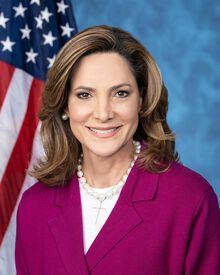
IntroducedMr. Smith of New Jersey (for himself and Ms. Salazar) …
Stakeholder Effects
cui bono?How this legislation distributes effects. Mention counts reflect frequency, not effect magnitude.
CABEI member countries (Mexico, Taiwan, Spain, etc.), Military Institute of Social Security officials, Nicaraguan Ortega administration
Nicaraguan opposition and civil society, Nicaraguan opposition in exile (Costa Rica, US), Nicaraguan political prisoners
All parties subject to Title II restrictions, US persons subject to investment prohibition
Foreign companies in Nicaraguan gold sector, Nicaraguan gold mining operators
Central American Bank for Economic Integration, US investors with Nicaragua interests
US companies seeking Nicaragua operations
Bill Structure & Actor Mappings
Who is "The Secretary" in each section?
- "the_president"
- → President of the United States
- "the_secretary_of_state"
- → Secretary of State
- "the_secretary_of_treasury"
- → Secretary of the Treasury
- "the_president"
- → President of the United States
- "the_secretary_of_state"
- → Secretary of State
- "the_president"
- → President of the United States
Key Definitions
Terms defined in this bill
The Committees on Foreign Relations and Banking of the Senate; and the Committees on Foreign Affairs and Financial Services of the House
A US citizen, national, or permanent resident alien; and any corporation, partnership, or entity organized under US law
We use a combination of our own taxonomy and classification in addition to large language models to assess meaning and potential beneficiaries. High confidence means strong textual evidence. Always verify with the original bill text.
Learn more about our methodology