January 6th Oral History Project Act
Summary
What This Bill Does
The January 6th Oral History Project Act creates an archival program inside the American Folklife Center at the Library of Congress. The Director must collect video and audio personal histories from people present at or affected by the January 6, 2021 Capitol events, including Members of Congress, congressional staff, Capitol Police officers, other law enforcement personnel, journalists, and witnesses. The Center must build a cataloged and indexed collection available for public use through the National Digital Library and other feasible methods. It must also solicit and catalog written materials such as contemporaneous notes, text messages, emails, social media posts, photographs, and other documentation. The Director may partner with government or private entities, consult interested persons, and prioritize accounts most at risk of being lost to time. The Librarian may solicit private donations, place January 6 oral-history donations into a dedicated gift account, and use that account only for the project. Congress authorizes $500,000 for fiscal year 2027 and such sums as necessary afterward.
Who Benefits and How
Researchers, teachers, students, journalists, and the public benefit from a centralized Library of Congress collection with cataloged firsthand accounts and written material. Capitol Police officers, congressional staff, Members of Congress, journalists, and other witnesses benefit from a formal venue to preserve their testimony. Donors who want to support the project benefit from a dedicated gift account restricted to the oral-history program.
Who Bears the Burden and How
American Folklife Center staff must solicit interviews, reproduce written materials, catalog and index recordings, manage public access, prioritize vulnerable accounts, and coordinate partnerships. Library of Congress finance staff must administer a restricted gift account and prevent unrelated donations from entering it. Federal taxpayers fund the $500,000 authorization and later appropriations, while interviewees may face time, privacy, or reputational costs from participating in a public archive.
Key Provisions
- Establishes a January 6 oral-history program at the American Folklife Center.
- Requires collection of video and audio histories from Members, staff, Capitol Police, journalists, law enforcement personnel, and witnesses.
- Requires cataloged public access through the National Digital Library where feasible.
- Authorizes collection of notes, texts, emails, social media posts, photographs, and related documentation.
- Creates a restricted gift account for private donations and authorizes $500,000 for fiscal year 2027.
Evidence Chain:
This summary is generated from the full bill text using AI analysis. Expand "Detailed Analysis" below for identified beneficiaries/burden bearers with clause-level evidence links.
At a Glance
What This Bill Does
Directs the American Folklife Center at the Library of Congress to create a January 6 oral-history program collecting video, audio, and written materials from people present at or affected by the Capitol events, authorizes private donations through a dedicated gift account, and authorizes $500,000 for fiscal year 2027 plus later necessary sums.
Key Policy Areas
Government, Education
Primary Purpose
Directs the American Folklife Center at the Library of Congress to create a January 6 oral-history program collecting video, audio, and written materials from people present at or affected by the Capitol events, authorizes private donations through a dedicated gift account, and authorizes $500,000 for fiscal year 2027 plus later necessary sums.
Policy Domains
Substantive provisions
Identified Gains
- Researchers
- Teachers
- Students
- Journalists
- Capitol Police officers
- Congressional staff
- Members of Congress
- Private donors
Identified Costs
- American Folklife Center archivists
- Library of Congress finance staff
- Federal taxpayers
- January 6 interview participants
Sponsors

Legislative Progress
In CommitteeIntroduced in House
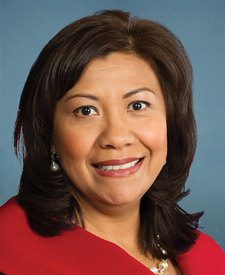
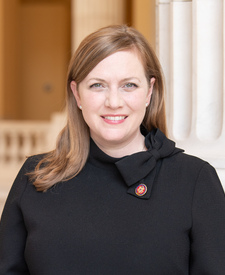
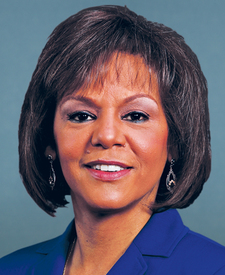
Mrs. Torres of California (for herself, Ms. Kelly of Illinois, …
Referred to the House Committee on House Administration.
Stakeholder Effects
cui bono?How this legislation distributes effects. Mention counts reflect frequency, not effect magnitude.
American Folklife Center archivists, Congressional staff, Library of Congress finance staff
American Folklife Center archivists faces effects in multiple directions
Positive-direction: Congressional staff, Members of Congress
Negative-direction: Library of Congress finance staff
National Digital Library users, Researchers using Library collections
Bill Structure & Actor Mappings
Who is "The Secretary" in each section?
We use a combination of our own taxonomy and classification in addition to large language models to assess meaning and potential beneficiaries. High confidence means strong textual evidence. Always verify with the original bill text.
Learn more about our methodology