District of Columbia Transportation Funding Equality Act
Summary
What This Bill Does
The District of Columbia Transportation Funding Equality Act is a targeted transportation-grant eligibility bill. It amends the title 49 bus formula grant provision so references to the United States include the District of Columbia and removes a separate exclusionary reference to the District. It amends the national culvert removal, replacement, and restoration grant program to include the District of Columbia alongside States. It also amends the Safe Streets and Roads for All grant definition to include the District of Columbia after references to a State. The practical effect is to make DC transportation agencies and project sponsors more clearly eligible for bus, culvert, and road-safety grant opportunities that otherwise use State-based eligibility language.
Who Benefits and How
The District Department of Transportation benefits because DC is expressly included in grant eligibility language. DC bus systems and riders benefit from clearer access to bus formula funding. DC culvert, drainage, and road-safety project sponsors benefit from eligibility for national culvert and Safe Streets grants. District residents benefit if transportation funding supports buses, infrastructure resilience, and crash-prevention projects.
Who Bears the Burden and How
Federal Transit Administration and DOT grant staff must treat DC as included in the affected programs and update eligibility guidance or grant processing. Other applicants may face modest competition for formula or discretionary funding where DC is newly included. DC transportation staff must prepare compliant applications and reporting for the grant programs.
Key Provisions
- Amends title 49 bus formula grant language to include the District of Columbia.
- Removes a separate District of Columbia reference from the bus formula provision.
- Adds the District of Columbia to national culvert removal, replacement, and restoration grant eligibility.
- Adds the District of Columbia to Safe Streets and Roads for All grant eligibility.
- Provides clearer transportation funding parity for DC agencies and project sponsors.
Evidence Chain:
This summary is generated from the full bill text using AI analysis. Expand "Detailed Analysis" below for identified beneficiaries/burden bearers with clause-level evidence links.
At a Glance
What This Bill Does
Makes the District of Columbia eligible or expressly included in three federal transportation grant contexts: title 49 bus formula grants, the national culvert removal, replacement, and restoration grant program, and Safe Streets and Roads for All grants.
Key Policy Areas
Transportation, State & Local Government
Primary Purpose
Makes the District of Columbia eligible or expressly included in three federal transportation grant contexts: title 49 bus formula grants, the national culvert removal, replacement, and restoration grant program, and Safe Streets and Roads for All grants.
Policy Domains
Substantive provisions
Identified Gains
- District Department of Transportation
- DC bus riders
- DC culvert project sponsors
- DC road safety planners
- District residents
Identified Costs
- Federal Transit Administration grant staff
- DOT grant administrators
- Competing transportation grant applicants
- DC transportation reporting staff
Legislative Progress
In CommitteeReferred to the Subcommittee on Highways and Transit.
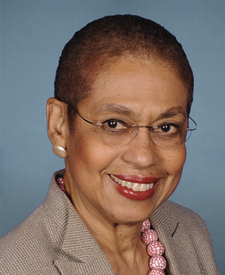
Ms. Norton introduced the following bill; which was referred to …
Referred to the House Committee on Transportation and Infrastructure.
Introduced in House
Sponsor introductory remarks on measure. (CR E4)
Stakeholder Effects
cui bono?How this legislation distributes effects. Mention counts reflect frequency, not effect magnitude.
Competing culvert grant applicants, Competing road safety applicants, DC culvert project sponsors
Competing bus grant applicants, DC bus riders, District cyclists
DOT culvert grant administrators, DOT road safety grant staff, Federal Transit Administration grant staff
Bill Structure & Actor Mappings
Who is "The Secretary" in each section?
We use a combination of our own taxonomy and classification in addition to large language models to assess meaning and potential beneficiaries. High confidence means strong textual evidence. Always verify with the original bill text.
Learn more about our methodology