To reauthorize the Native American Housing Assistance and Self-Determination Act of 1996, and for other purposes.
Analysis under review: This bill has generated analysis that may be too generic or incomplete. Clause-level evidence remains available below.
Summary
What This Bill Does
This bill reauthorizes the Native American Housing Assistance and Self-Determination Act through 2029, substantially increasing funding for tribal housing programs. It establishes a dedicated Office of Native American Programs within HUD, led by an Assistant Secretary, to better coordinate federal housing assistance for Native American and Alaska Native communities.
Who Benefits and How
Indian tribes and tribally designated housing entities benefit from significantly increased block grant funding (rising from $680M in FY2025 to $820M in FY2029), new competitive grants up to $120M annually, and streamlined administrative processes including 60-day deadlines for HUD decisions. Native Hawaiian organizations receive reauthorized funding through 2029. Low-income Native American families benefit from expanded homeownership pathways and rental-to-ownership conversion programs.
Who Bears the Burden and How
Tribes with large amounts of undisbursed funds (exceeding 3 years of allocations) face potential reductions in future allocations and must demonstrate spending capacity. Tribes must comply with 1866 treaty obligations regarding Freedmen descendants or risk funding withholding. HUD faces new administrative requirements including 60-day response deadlines and enhanced reporting to Congress.
Key Provisions
- Authorizes $680M-$820M annually (FY2025-2029) for NAHASDA block grants
- Creates new competitive grants totaling $100M-$120M annually for affordable housing construction
- Establishes Office of Native American Programs with Assistant Secretary-level leadership
- Requires 5% set-aside of USDA rural housing programs for Indian tribes
- Streamlines environmental reviews by allowing tribal compliance to satisfy multiple federal requirements
Evidence Chain:
This summary is generated from the full bill text using AI analysis. Expand "Detailed Analysis" below for identified beneficiaries/burden bearers.
At a Glance
What This Bill Does
Reauthorizes and expands the Native American Housing Assistance and Self-Determination Act (NAHASDA), increasing funding for tribal housing programs and establishing the Office of Native American Programs within HUD.
Key Policy Areas
Housing, Native American Affairs, Federal Grants, Government Administration
Primary Purpose
Reauthorizes and expands the Native American Housing Assistance and Self-Determination Act (NAHASDA), increasing funding for tribal housing programs and establishing the Office of Native American Programs within HUD.
Policy Domains
Title I - Block Grants and Federal Administration
Identified Gains
Contextual inference, no direct clause citation- Indian tribes
- Tribally designated housing entities
- HUD Office of Native American Programs
Contextual inference, no direct clause citation
Identified Costs
Contextual inference, no direct clause citation- HUD (administrative requirements)
Contextual inference, no direct clause citation
Title V - Other Housing Assistance
Identified Gains
Contextual inference, no direct clause citation- Native American veterans
- Indian tribes (USDA set-aside)
- Affordable housing developers on tribal lands
Contextual inference, no direct clause citation
Identified Costs
Contextual inference, no direct clause citation- USDA (set-aside requirement)
Contextual inference, no direct clause citation
Title II - Affordable Housing Activities
Identified Gains
Contextual inference, no direct clause citation- Low-income Native American families
- Indian Health Service
- Tribally designated housing entities
Contextual inference, no direct clause citation
Title IV - Compliance, Audits, and Reports
Identified Gains
Contextual inference, no direct clause citation- Congress (oversight)
- Grant recipients (transparency)
Contextual inference, no direct clause citation
Identified Costs
Contextual inference, no direct clause citation- HUD (reporting requirements)
Contextual inference, no direct clause citation
Title VI - Federal Guarantees for Financing
Identified Gains
Contextual inference, no direct clause citation- Tribes seeking housing loans
- Tribes with approved flood mitigation plans
Contextual inference, no direct clause citation
Identified Costs
Contextual inference, no direct clause citation- Tribes not in compliance with 1866 Freedmen treaty obligations
Contextual inference, no direct clause citation
Title III - Allocation of Grant Amounts
Identified Gains
Contextual inference, no direct clause citation- Indian tribes (via increased appropriations)
- Tribes with demonstrated spending capacity
Contextual inference, no direct clause citation
Identified Costs
Contextual inference, no direct clause citation- Tribes with large undisbursed balances
Contextual inference, no direct clause citation
Title VII - Native Hawaiian Housing
Identified Gains
Contextual inference, no direct clause citation- Native Hawaiian organizations
- Native Hawaiian homebuyers
Contextual inference, no direct clause citation
Sponsors
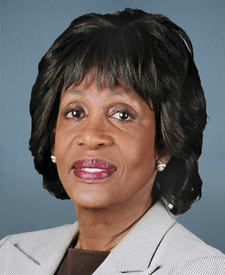
Legislative Progress
IntroducedMs. Waters introduced the following bill; which was referred to …
Stakeholder Effects
cui bono?How this legislation distributes effects. Mention counts reflect frequency, not effect magnitude.
Grant recipients, Grant recipients (transparency), Indian tribes
Positive-direction: Grant recipients, Grant recipients (transparency), Indian tribes, Indian tribes and tribally designated housing entities, Indian tribes with flood mitigation plans, Indian tribes with land title issues, Tribally designated housing entities, Tribally designated housing entities using multiple federal funding sources, Tribally designated housing entities with construction capacity, Tribes with demonstrated housing need, Tribes with demonstrated spending capacity
Negative-direction: Tribes not in compliance with 1866 Freedmen treaty obligations, Tribes with large undisbursed balances, Tribes with large undisbursed grant balances
Congressional oversight committees, Department of Veterans Affairs, HUD
Positive-direction: Congressional oversight committees, HUD Office of Native American Programs, Lands Title Report Commission
Negative-direction: Department of Veterans Affairs, HUD, Indian Health Service, USDA Rural Housing Service
Affordable housing developers on tribal lands, Residential construction companies on tribal lands, Residential construction industry on tribal lands
Native Hawaiian homebuyers, Native Hawaiian organizations
Low-income Native American rental families, Native American homebuyers, Native American rental housing tenants
Mortgage lenders in Hawaii serving Native Hawaiians, Mortgage lenders serving tribal areas
Rental housing owners and managers on tribal lands
Bill Structure & Actor Mappings
Who is "The Secretary" in each section?
- "the_secretary"
- → Secretary of Housing and Urban Development
- "the_secretary"
- → Secretary of Housing and Urban Development
- "the_secretary"
- → Secretary of Housing and Urban Development
- "the_secretary"
- → Secretary of Housing and Urban Development
- "the_secretary"
- → Secretary of Housing and Urban Development
- "the_secretary_va"
- → Secretary of Veterans Affairs
- "the_secretary"
- → Secretary of Housing and Urban Development
- "the_secretary_interior"
- → Secretary of the Interior
- "the_secretary"
- → Secretary of Housing and Urban Development
Key Definitions
Terms defined in this bill
The sum of all costs for a housing project, including administration, planning, site acquisition, demolition, construction or equipment and financing, excluding off-site water and sewer, based on moderately designed house costs from nationally recognized construction cost indices.
An Indian veteran who is homeless or at risk of homelessness and living on or near a reservation or in or near any other Indian area.
A recipient eligible to receive a grant under section 101 of NAHASDA.
We use a combination of our own taxonomy and classification in addition to large language models to assess meaning and potential beneficiaries. High confidence means strong textual evidence. Always verify with the original bill text.
Learn more about our methodology