Porch Pirates Act of 2025
Summary
What This Bill Does
The Porch Pirates Act targets theft of packages after private or commercial interstate carriers deliver them but before the addressee or an authorized agent physically takes possession. Congress states that it has authority to give private or commercial carrier deliveries the same protections as matter moving through interstate or foreign commerce. The bill amends 18 U.S.C. 659, a federal theft statute covering interstate shipments, to add anyone who embezzles, steals, unlawfully takes, carries away, or obtains by fraud or deception a package or article delivered by a private or commercial interstate carrier before the recipient takes possession.
Who Benefits and How
Consumers receiving home deliveries benefit because package theft from private carriers becomes expressly covered by federal law. Private and commercial interstate carriers benefit because theft of delivered packages is placed within the same federal cargo-theft framework that protects other interstate shipments. Online retailers and small businesses benefit if federal deterrence and prosecution reduce replacement, refund, and customer-service costs. Federal prosecutors and investigators benefit from clearer statutory language for package-theft cases with interstate carrier delivery facts.
Who Bears the Burden and How
People who steal delivered packages face expanded federal criminal exposure. Federal prosecutors and investigators must decide which cases warrant federal involvement rather than state or local prosecution. Courts and defense counsel may need to apply the new possession-timing element: the package must have been delivered by a private or commercial interstate carrier before the addressee or agent physically possessed it. Federal taxpayers bear any additional investigative, prosecutorial, and incarceration costs.
Key Provisions
- Extends 18 U.S.C. 659 to packages delivered by private or commercial interstate carriers.
- Covers theft before the addressee or authorized agent takes physical possession.
- Treats porch theft from private-carrier deliveries as a federal interstate-commerce package-theft offense.
- Provides a federal charging path for theft, embezzlement, unlawful taking, carrying away, fraud, or deception involving covered packages.
Evidence Chain:
This summary is generated from the full bill text using AI analysis. Expand "Detailed Analysis" below for identified beneficiaries/burden bearers with clause-level evidence links.
At a Glance
What This Bill Does
Extends federal theft protections in 18 U.S.C. 659 to packages delivered by private or commercial interstate carriers before the addressee or agent takes physical possession, making porch theft from private carriers a federal package-theft offense parallel to existing interstate-commerce cargo protections.
Key Policy Areas
Criminal Justice, Commerce, Consumers
Primary Purpose
Extends federal theft protections in 18 U.S.C. 659 to packages delivered by private or commercial interstate carriers before the addressee or agent takes physical possession, making porch theft from private carriers a federal package-theft offense parallel to existing interstate-commerce cargo protections.
Policy Domains
Substantive provisions
Identified Gains
- Consumers receiving home deliveries
- Private interstate carriers
- Commercial interstate carriers
- Online retailers
- Small businesses
- Federal prosecutors
- Federal investigators
Identified Costs
- People who steal delivered packages
- Federal prosecutors
- Federal investigators
- Federal courts
- Defense counsel
- Federal taxpayers
Sponsors
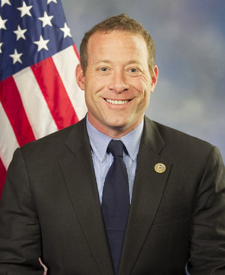


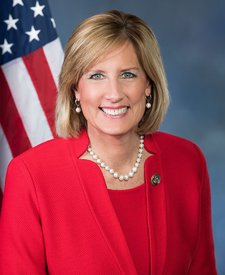

Legislative Progress
In CommitteeMr. Gottheimer (for himself, Mr. Van Drew, Ms. Van Duyne, …
Referred to the House Committee on the Judiciary.
Introduced in House
Impact analysis is available but no clear stakeholder effects identified. View clause-level analysis →
Bill Structure & Actor Mappings
Who is "The Secretary" in each section?
We use a combination of our own taxonomy and classification in addition to large language models to assess meaning and potential beneficiaries. High confidence means strong textual evidence. Always verify with the original bill text.
Learn more about our methodology