Northwest California Wilderness, Recreation, and Working Forests Act
Summary
What This Bill Does
The Northwest California Wilderness, Recreation, and Working Forests Act is a large land-management bill for Mendocino, Humboldt, Trinity, Del Norte, and nearby northwestern California public lands. It establishes the roughly 871,414-acre South Fork Trinity-Mad River Restoration Area on Forest Service and BLM land to restore fire-resilient mature and late-successional forests, aquatic habitat, anadromous fisheries, water quality, wildfire resilience, and recreation. It creates the California Public Land Remediation Partnership to coordinate cleanup of federal lands damaged by illegal marijuana cultivation or other illegal activity. It directs land-management and fire-management plan updates, studies and authorizes recreation trails including the Bigfoot National Recreation Trail, Elk Camp Ridge, Trinity Lake, and mountain-biking routes, authorizes visitor centers and overnight-accommodation partnerships, designates wilderness and potential wilderness areas, adds wild and scenic river segments, establishes Horse Mountain and Sanhedrin special management areas, requires maps and legal descriptions, and preserves valid PG&E utility rights-of-way and facility maintenance.
Who Benefits and How
Forest restoration projects, anadromous fisheries, water-quality protection, and wildfire-risk communities benefit from restoration-area planning, shaded fuel breaks, prescribed fire, and ecological repair. Tribal governments, California agencies, local governments, remediation nonprofits, and public-land law-enforcement partners benefit from a formal partnership to clean up illegal cultivation damage. Hikers, mountain bikers, off-highway vehicle users, Trinity Lake visitors, Redwood-area visitors, and local tourism businesses benefit from trail studies, visitor centers, and accommodation partnerships. Conservation organizations and wilderness users benefit from new wilderness, potential wilderness, wild and scenic river, and special-management protections. PG&E benefits because existing utility rights-of-way and named gas and electric facilities remain protected.
Who Bears the Burden and How
Forest Service, BLM, Interior, National Park Service, and National Forest planners must prepare restoration plans, fire plans, trail studies, maps, legal descriptions, visitor-center agreements, and management-plan updates. California agencies, Tribal governments, local governments, private landowners, nonprofits, and public participants must participate in consultation processes. Motorized recreation users, timber interests, mining interests, or other development interests may face limits in wilderness, wild and scenic river, or special-management areas. PG&E must continue operating within valid rights-of-way and applicable public-land rules. Federal taxpayers fund planning, coordination, studies, restoration, mapping, and administration.
Key Provisions
- Establishes the South Fork Trinity-Mad River Restoration Area for forest resilience, fisheries, water quality, wildfire risk reduction, and recreation.
- Creates the California Public Land Remediation Partnership to coordinate cleanup of illegal cultivation and other damage on priority federal lands.
- Requires land-management, fire-management, map, legal-description, and public-plan updates across affected Forest Service, BLM, and National Park Service units.
- Authorizes trail studies, recreation-trail designations, visitor centers, overnight-accommodation partnerships, and maintenance agreements.
- Designates new wilderness, potential wilderness, wild and scenic river segments, and Horse Mountain and Sanhedrin special management areas.
- Protects valid PG&E utility rights-of-way and existing gas and electric facility operations within affected designations.
Evidence Chain:
This summary is generated from the full bill text using AI analysis. Expand "Detailed Analysis" below for identified beneficiaries/burden bearers with clause-level evidence links.
At a Glance
What This Bill Does
Creates a Northwest California public-lands package establishing the South Fork Trinity-Mad River Restoration Area, a California Public Land Remediation Partnership, trail and visitor-center authorities, new wilderness and potential wilderness areas, wild and scenic river segments, Horse Mountain and Sanhedrin special management areas, management-plan updates, and protections for existing PG&E utility rights-of-way.
Key Policy Areas
Public Lands, Forestry, Recreation, Conservation, Tribal Affairs, Utilities
Primary Purpose
Creates a Northwest California public-lands package establishing the South Fork Trinity-Mad River Restoration Area, a California Public Land Remediation Partnership, trail and visitor-center authorities, new wilderness and potential wilderness areas, wild and scenic river segments, Horse Mountain and Sanhedrin special management areas, management-plan updates, and protections for existing PG&E utility rights-of-way.
Policy Domains
Substantive provisions
Identified Gains
- Forest restoration projects
- Anadromous fisheries
- Wildfire-risk communities
- Tribal governments
- California natural-resource agencies
- Local governments
- Public-land remediation nonprofits
- Hikers
- Mountain bikers
- Off-highway vehicle users
- Local tourism businesses
- Conservation organizations
- Wilderness users
- PG&E
Identified Costs
- Forest Service planners
- BLM land managers
- Interior Department staff
- National Park Service managers
- California agency staff
- Tribal government staff
- Local government staff
- Private landowners near trail routes
- Motorized recreation users
- Timber interests
- Mining interests
- Federal taxpayers
Sponsors



Legislative Progress
In CommitteeReferred to the House Committee on Natural Resources.
Introduced in House
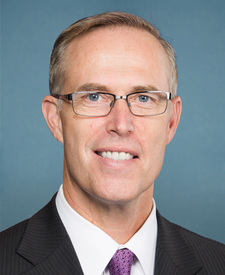
Mr. Huffman (for himself, Mr. Carbajal, Ms. Chu, and Ms. …
Stakeholder Effects
cui bono?How this legislation distributes effects. Mention counts reflect frequency, not effect magnitude.
BLM land managers, BLM mapping staff, BLM planning staff
Positive-direction: Cultural resource managers, Wildfire response crews
Negative-direction: BLM land managers, BLM mapping staff, BLM planning staff, BLM potential wilderness managers, BLM right-of-way managers, BLM wilderness managers, Forest Service interpretive staff, Forest Service land managers, Forest Service mapping staff, Forest Service partnership staff, Forest Service permit managers, Forest Service planning staff, Forest Service recreation planners, Forest Service remediation staff, Forest Service river managers, Forest Service special-area managers, Forest Service trail planners, Forest Service trail staff, Forest Service wilderness managers, Interior Department land managers, Interior interpretive staff, Interior land managers, Interior land remediation staff, Interior partnership staff, Interior recreation planners, Interior trail planners, Interior wilderness managers, National Park Service mapping staff, National Park Service planning staff, Redwood National Park wilderness managers, Shasta-Trinity National Forest planners, Six Rivers National Forest planners, Wilderness fire managers
Del Norte County visitors, Del Norte tourism businesses, Horse Mountain recreation users
Motorized recreation users faces effects in multiple directions
Positive-direction: Del Norte County visitors, Del Norte tourism businesses, Horse Mountain recreation users, Local tourism businesses, Mountain bikers, Nonmotorized recreation users, Nonmotorized trail users, Off-highway vehicle users, Overnight visitors near Redwood parks, Private lodging partners, Private recreation partners, Public-land visitors, Recreation visitors, Redwood National and State Parks visitors, River recreation users, Trinity Lake tourism businesses, Trinity Lake visitors, Weaverville tourism businesses, Wilderness users
Negative-direction: Motorized access users
Collaborative group members, Conservation organizations, Non-federal trail contributors
Positive-direction: Conservation organizations, Nonprofit lodging partners, Partner institutions, Public-land remediation nonprofits, Qualified nonprofit recreation partners, Trail volunteers, Water-quality advocates
Negative-direction: Collaborative group members, Non-federal trail contributors
Anadromous fisheries, Habitat managers, Restoration-area conservation projects
Positive-direction: Anadromous fisheries, Restoration-area conservation projects, Sanhedrin conservation projects, Sensitive habitat managers, Wilderness ecosystems, Wildlife habitat
Negative-direction: Habitat managers
California natural-resource agencies, Local governments in California, Local governments near wilderness areas
Positive-direction: California natural-resource agencies, Local governments in California, Northwest California counties
Negative-direction: Local governments near wilderness areas, State and Tribal consultees, State wildfire agencies
Boundary researchers, Private landowners near the route, Valid existing rights holders
Positive-direction: Boundary researchers, Valid existing rights holders
Negative-direction: Private landowners near the route
PG&E utility maintenance crews, Pacific Gas and Electric Company, Utility customers in northwest California
Public-land stakeholders, Wildfire-risk communities
Bill Structure & Actor Mappings
Who is "The Secretary" in each section?
We use a combination of our own taxonomy and classification in addition to large language models to assess meaning and potential beneficiaries. High confidence means strong textual evidence. Always verify with the original bill text.
Learn more about our methodology