COPS Anti-Organized Crime and Cartel Enforcement Act of 2025
Summary
What This Bill Does
The COPS Anti-Organized Crime and Cartel Enforcement Act lets COPS grants fund specialized units dedicated to organized crime, cartel operations, and transnational criminal organizations. Eligible uses include tactical vehicles for high-risk warrants or raids, non-weaponized unmanned aerial systems that are not from covered nations or covered foreign entities, ballistic vests, helmets, firearms, officer training in counter-organized-crime tactics and intelligence methods, and hiring additional personnel including backfills for officers reassigned to those units. The bill also creates an application path for jurisdictions with a documented high presence of cartel, gang, or transnational criminal activity, appropriates $50 million per year from fiscal 2026 through 2030 from rescinded Labor Department amounts, requires Attorney General rules within 180 days, and requires annual reports to Congress on grantees and uses of funds.
Who Benefits and How
Police departments and sheriff offices in high-cartel, gang, or transnational-crime jurisdictions benefit from a dedicated federal grant use for equipment, technology, training, and personnel. Local officers benefit from protective gear, tactical vehicles, drones, and training when carrying out high-risk operations. Communities affected by cartel or organized-crime activity may benefit if specialized units reduce violence, trafficking, or intimidation. Domestic tactical-equipment, protective-gear, and public-safety technology vendors may benefit from grant-funded procurement.
Who Bears the Burden and How
The Attorney General and DOJ grant staff must finalize rules, review certifications, award grants, monitor equipment and personnel uses, and report annually to Congress. Jurisdictions receiving funds must document cartel, gang, or transnational-crime presence and certify grant uses. Civil-liberties organizations and residents may face concerns about surveillance technology, tactical vehicles, firearms, and expanded specialized policing. Federal taxpayers fund the five-year appropriation even though it is derived from rescinded Labor Department amounts.
Key Provisions
- Expands COPS grants to specialized units combatting organized crime, cartel operations, and transnational criminal organizations.
- Authorizes grant-funded tactical vehicles, eligible drones, ballistic vests, helmets, firearms, officer training, and additional hiring.
- Creates an application path for jurisdictions with documented high cartel, gang, or transnational-criminal activity.
- Appropriates $50 million per fiscal year from 2026 through 2030 for the new grant purpose.
- Requires Attorney General rules within 180 days and annual congressional reports on grant uses and grantees.
Evidence Chain:
This summary is generated from the full bill text using AI analysis. Expand "Detailed Analysis" below for identified beneficiaries/burden bearers with clause-level evidence links.
At a Glance
What This Bill Does
Expands COPS grant authority and appropriates $50 million per year for fiscal years 2026 through 2030 for specialized local units combatting organized crime, cartels, and transnational criminal organizations, including equipment, training, hiring, Attorney General rules, and annual reporting.
Key Policy Areas
Law Enforcement, Justice, Appropriations
Primary Purpose
Expands COPS grant authority and appropriates $50 million per year for fiscal years 2026 through 2030 for specialized local units combatting organized crime, cartels, and transnational criminal organizations, including equipment, training, hiring, Attorney General rules, and annual reporting.
Policy Domains
Substantive provisions
Identified Gains
- Police departments
- Sheriff offices
- Local officers
- Communities affected by cartel activity
- Public-safety technology vendors
- Protective-gear vendors
Identified Costs
- Attorney General
- DOJ grant staff
- Grant-recipient jurisdictions
- Civil-liberties organizations
- Residents in heavily policed areas
- Federal taxpayers
Sponsors

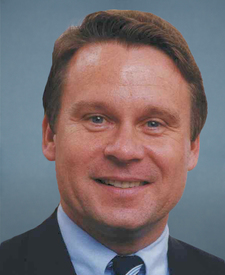
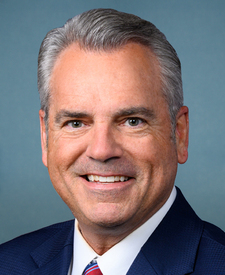
Legislative Progress
In CommitteeMr. Harrigan (for himself, Mr. Smith of New Jersey, and …
Referred to the House Committee on the Judiciary.
Introduced in House
Stakeholder Effects
cui bono?How this legislation distributes effects. Mention counts reflect frequency, not effect magnitude.
Local officers, Police departments, Sheriff offices
Bill Structure & Actor Mappings
Who is "The Secretary" in each section?
We use a combination of our own taxonomy and classification in addition to large language models to assess meaning and potential beneficiaries. High confidence means strong textual evidence. Always verify with the original bill text.
Learn more about our methodology