China AI Threat Assessment Act
Summary
What This Bill Does
The China AI Threat Assessment Act directs the Director of National Intelligence to produce a National Intelligence Estimate on artificial intelligence systems developed or deployed by entities in the People’s Republic of China. Congress states that China-developed AI may embed strategic, ideological, or discriminatory biases reflecting Chinese political or military objectives. The required estimate must evaluate whether commercial Chinese AI systems contain algorithmic bias based on ethnicity, religion, political views, or nationality; analyze training data sources, model architectures, and use cases; assess foreign influence, surveillance, and information-manipulation risks targeting the United States and allies; identify risks to democratic norms, civil liberties, and military decision-making; and recommend how the intelligence community and allies should monitor and counter malign uses.
Who Benefits and How
Congress benefits from a classified or intelligence-grade assessment of Chinese AI risks rather than relying on public speculation. The intelligence community benefits from a coordinated tasking that brings DNI, NSA, DIA, and other elements into one estimate. United States allies benefit if the recommendations identify shared monitoring and countermeasure approaches. Civil-liberties and democracy-focused institutions benefit if the estimate surfaces how exported Chinese AI systems could support surveillance, discrimination, influence operations, or manipulation.
Who Bears the Burden and How
The Director of National Intelligence must coordinate and deliver the estimate within 180 days. NSA, DIA, and other intelligence agencies must contribute technical and threat analysis. Chinese AI companies and entities deployed through Chinese systems face more scrutiny from United States intelligence and allied policy channels. Agencies using or evaluating foreign AI tools may need to account for the identified risks in procurement, security, or diplomatic work.
Key Provisions
- Requires a National Intelligence Estimate on China-developed or China-deployed AI systems within 180 days.
- Requires evaluation of embedded algorithmic bias tied to ethnicity, religion, political views, or nationality.
- Requires analysis of training data, model architectures, intended uses, foreign influence, surveillance, and information manipulation.
- Directs recommendations for the intelligence community and United States allies to monitor and counter malign uses of Chinese AI.
Evidence Chain:
This summary is generated from the full bill text using AI analysis. Expand "Detailed Analysis" below for identified beneficiaries/burden bearers with clause-level evidence links.
At a Glance
What This Bill Does
Requires a National Intelligence Estimate within 180 days on risks from artificial intelligence systems developed or deployed by entities in the People’s Republic of China, including embedded bias, training data, foreign influence uses, surveillance risks, democratic-norm impacts, and allied countermeasures.
Key Policy Areas
National Security, Technology, Foreign Affairs
Primary Purpose
Requires a National Intelligence Estimate within 180 days on risks from artificial intelligence systems developed or deployed by entities in the People’s Republic of China, including embedded bias, training data, foreign influence uses, surveillance risks, democratic-norm impacts, and allied countermeasures.
Policy Domains
Substantive provisions
Identified Gains
- Congress
- United States intelligence community
- United States allies
- Civil-liberties institutions
- Democracy-focused institutions
Identified Costs
- Director of National Intelligence
- National Security Agency
- Defense Intelligence Agency
- Chinese AI companies
- Agencies evaluating foreign AI tools
Sponsors

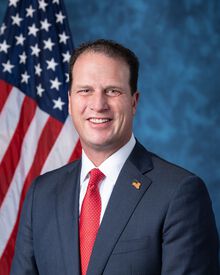
Legislative Progress
In CommitteeMr. Vindman (for himself and Mr. Pfluger) introduced the following …
Referred to the House Permanent Select Committee on Intelligence.
Introduced in House
Stakeholder Effects
cui bono?How this legislation distributes effects. Mention counts reflect frequency, not effect magnitude.
Defense Intelligence Agency, Director of National Intelligence, National Security Agency
Bill Structure & Actor Mappings
Who is "The Secretary" in each section?
We use a combination of our own taxonomy and classification in addition to large language models to assess meaning and potential beneficiaries. High confidence means strong textual evidence. Always verify with the original bill text.
Learn more about our methodology