Blue Envelope Awareness Act
Summary
What This Bill Does
The Blue Envelope Awareness Act amends the Omnibus Crime Control and Safe Streets Act so Byrne public-safety grant funds may support Blue Envelope programs. A Blue Envelope program helps people with speech, hearing, or developmental disabilities communicate with law enforcement during traffic stops. The program does that in two ways: it distributes blue envelopes where a person can keep disability-related documentation to show an officer, and it trains law enforcement officers on interacting with people who use those envelopes.
Who Benefits and How
People with speech disabilities, hearing disabilities, or developmental disabilities benefit because the bill funds a practical communication aid for traffic stops. Families and caregivers benefit if the envelope gives officers quicker context during a stressful roadside encounter. Police departments and sheriff offices benefit because Byrne funds can support training and envelope distribution instead of relying only on local money. Disability advocacy organizations benefit from a federal grant pathway for programs many communities already recognize.
Who Bears the Burden and How
Byrne grant administrators must review and monitor Blue Envelope program spending. Law enforcement agencies that take the funding must train officers and manage envelope distribution. Officers must incorporate disability-communication protocols into traffic-stop practices. Federal taxpayers fund the grant activity, and agencies may need to update training materials and procedures.
Key Provisions
- Adds Blue Envelope programs as an eligible Byrne grant use.
- Defines Blue Envelope programs around disability documentation for traffic stops.
- Requires the program model to include law-enforcement training on interactions with people with speech, hearing, or developmental disabilities.
- Provides a federal funding path for local disability-communication traffic-stop programs.
Evidence Chain:
This summary is generated from the full bill text using AI analysis. Expand "Detailed Analysis" below for identified beneficiaries/burden bearers with clause-level evidence links.
At a Glance
What This Bill Does
Makes Blue Envelope programs an eligible Byrne grant use and defines those programs as disability-communication tools for traffic stops, combining blue envelopes for disability documentation with law-enforcement training.
Key Policy Areas
Justice, Disability, Law Enforcement
Primary Purpose
Makes Blue Envelope programs an eligible Byrne grant use and defines those programs as disability-communication tools for traffic stops, combining blue envelopes for disability documentation with law-enforcement training.
Policy Domains
Substantive provisions
Identified Gains
- People with speech disabilities
- People with hearing disabilities
- People with developmental disabilities
- Families and caregivers
- Police departments
- Sheriff offices
- Disability advocacy organizations
Identified Costs
- Byrne grant administrators
- Law enforcement agencies
- Police officers
- Federal taxpayers
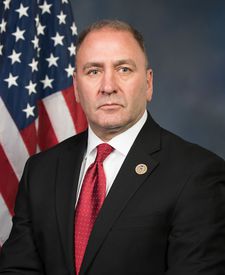
Sponsors




Legislative Progress
In CommitteeIntroduced in House
Mr. Vindman (for himself, Mr. Sessions, Mr. Higgins of Louisiana, …
Referred to the House Committee on the Judiciary.
Stakeholder Effects
cui bono?How this legislation distributes effects. Mention counts reflect frequency, not effect magnitude.
People with developmental disabilities, People with hearing disabilities, People with speech disabilities
Bill Structure & Actor Mappings
Who is "The Secretary" in each section?
We use a combination of our own taxonomy and classification in addition to large language models to assess meaning and potential beneficiaries. High confidence means strong textual evidence. Always verify with the original bill text.
Learn more about our methodology