American Affordability Act of 2025
Summary
What This Bill Does
The American Affordability Act is a broad affordability package. On housing, it expands low-income housing tax credit rules, bond financing, basis boosts, income averaging, domestic violence protections, and special treatment for extremely low income households. On clean energy, vehicles, water, recycling, and transmission, it restores or extends tax-credit structures that lower project costs and encourage investment. For families, it creates or expands refundable child and family credits, care-related tax benefits, adoption help, education credits, and income supports for workers with tips, overtime, or low earnings. For health coverage, it extends enhanced Affordable Care Act premium tax credits, addresses the Medicaid coverage gap, and adds immunization-related coverage protections. The bill works mostly through the tax code, health coverage rules, and grant or credit eligibility rather than direct criminal enforcement.
Who Benefits and How
Renters and affordable housing developers benefit from larger or easier-to-use housing credits and bond rules that can finance more units and preserve access for survivors of domestic violence. Families with children, caregivers, adoptive families, students, tipped workers, overtime workers, and low-wage workers benefit from refundable or expanded credits that increase after-tax income. Clean energy developers, vehicle buyers, utilities, water infrastructure projects, recycling projects, and transmission builders benefit from restored or extended credits that reduce project costs. ACA marketplace enrollees and Medicaid gap households benefit from premium support and coverage policies that make insurance more affordable. Patients benefit from immunization coverage provisions that reduce out-of-pocket barriers.
Who Bears the Burden and How
Federal taxpayers bear the fiscal cost of expanded credits, exclusions, advance payments, and coverage subsidies. Treasury and IRS staff must administer many credit changes, eligibility rules, advance payments, reporting systems, and taxpayer guidance. HHS, CMS, state Medicaid agencies, ACA marketplace administrators, insurers, and plan sponsors must implement coverage and premium-tax-credit changes. Affordable housing operators, employers, payroll administrators, schools, utilities, and clean-energy project sponsors may need to comply with new documentation, eligibility, reporting, and certification rules to access benefits or apply them correctly.
Key Provisions
- Expands low-income housing tax credit and bond-financing rules for affordable housing projects.
- Extends clean-energy, vehicle, water, recycling, and transmission tax incentives.
- Creates or expands refundable child, family, care, adoption, and education tax benefits.
- Expands worker-income support for tipped workers, overtime workers, and low-wage households.
- Extends ACA premium tax credits and strengthens coverage rules for Medicaid gap households and immunizations.
- Requires Treasury, IRS, HHS, CMS, states, employers, plan sponsors, and project sponsors to administer detailed eligibility and compliance rules.
Evidence Chain:
This summary is generated from the full bill text using AI analysis. Expand "Detailed Analysis" below for identified beneficiaries/burden bearers with clause-level evidence links.
At a Glance
What This Bill Does
Expands housing, clean-energy, child and family, worker-income, education, and health-coverage affordability policies through tax credits, exclusions, advance payments, coverage rules, and federal program adjustments.
Key Policy Areas
Housing, Energy, Tax, Healthcare, Education, Labor
Primary Purpose
Expands housing, clean-energy, child and family, worker-income, education, and health-coverage affordability policies through tax credits, exclusions, advance payments, coverage rules, and federal program adjustments.
Policy Domains
Substantive provisions
Identified Gains
- Renters
- Affordable housing developers
- Families with children
- Caregivers
- Students
- Tipped workers
- Overtime workers
- Low-wage workers
- Clean energy developers
- ACA marketplace enrollees
- Medicaid gap households
- Patients needing immunizations
Identified Costs
- Federal taxpayers
- Treasury tax administrators
- IRS staff
- HHS staff
- CMS staff
- State Medicaid agencies
- ACA marketplace administrators
- Insurers
- Plan sponsors
- Employers
- Affordable housing operators
- Clean energy project sponsors
Sponsors

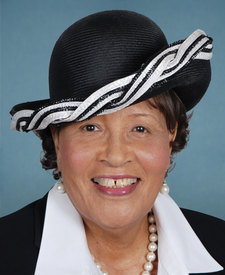



Legislative Progress
In CommitteeReferred to the Committee on Ways and Means, and in …
Introduced in House
Mr. Thompson of California (for himself, Mr. Larson of Connecticut, …
Stakeholder Effects
cui bono?How this legislation distributes effects. Mention counts reflect frequency, not effect magnitude.
ACA marketplace enrollees, Adoptive families, Borrowers receiving student loan forgiveness
Affordable housing acquisition and rehabilitation developers, Affordable housing bond-financed developers, Affordable housing developers
Low-income housing tax credit property owners faces effects in multiple directions
Positive-direction: Affordable housing acquisition and rehabilitation developers, Affordable housing bond-financed developers, Affordable housing developers, Affordable housing developers in Indian areas, Affordable housing developers in revitalization projects, Affordable housing developers in rural areas, Affordable housing property owners after casualty losses, Affordable housing rehabilitation developers, Designers and owners of energy-efficient commercial buildings, Developers converting commercial buildings to housing, Developers serving extremely low-income households, Developers serving households with unique barriers to housing, Energy-efficient affordable housing property owners, Historic property rehabilitation developers, Homebuilders and rehab developers in distressed neighborhoods, Homebuilders constructing energy-efficient homes, Middle-income housing developers, Nonprofit affordable housing purchasers, Rural affordable housing projects, State-designated bond-financed housing developers, Veteran-serving affordable housing projects, Voucher-assisted affordable housing owners
Negative-direction: Affordable housing developers seeking tax credits, Affordable housing property owners, LIHTC property operators
Advanced battery manufacturing project sponsors, Advanced energy project sponsors, Clean energy component manufacturers
Positive-direction: Advanced battery manufacturing project sponsors, Advanced energy project sponsors, Clean energy component manufacturers, Recycling facility developers
Negative-direction: Manufacturers of energy efficient home improvement products
Electric transmission line developers, Water utilities and reuse project developers
Clean electricity producers, Clean electricity project developers, Clean hydrogen producers
Employer-sponsored health plans, Health insurers and plan sponsors, Health insurers offering individual and group coverage
State and local housing bond issuers, State housing credit agencies
Positive-direction: State and local housing bond issuers
Negative-direction: State housing credit agencies
Bill Structure & Actor Mappings
Who is "The Secretary" in each section?
We use a combination of our own taxonomy and classification in addition to large language models to assess meaning and potential beneficiaries. High confidence means strong textual evidence. Always verify with the original bill text.
Learn more about our methodology