Stop Crimes Against Children Act
Summary
What This Bill Does
The bill amends the PROTECT Our Children Act national strategy for Child Exploitation Prevention and Interdiction. The strategy must include plans for coordination with nonprofit organizations and institutions of higher education on prevention, study, promotion, and implementation of best practices for preventing, identifying, and responding to crimes against children, including physical abuse, sexual abuse, abduction, sexual exploitation, and trafficking. It also requires evidence-based guidance on supporting child victims and recommendations for federal, state, local, and tribal law enforcement agencies to promote and implement best practices for prevention, identification, response, and victim support.
Who Benefits and How
Child victims, nonprofit child-victim organizations, universities with research and training expertise, and law enforcement agencies benefit from a national strategy that brings evidence-based guidance and coordinated best practices into child-exploitation prevention and response.
Who Bears the Burden and How
Justice Department strategy staff, nonprofit partners, institutions of higher education, and federal, state, local, and tribal law enforcement agencies must comply with coordination, guidance-development, training, and best-practice implementation work.
Key Provisions
- Requires the national child-exploitation strategy to coordinate with nonprofit child-victim organizations.
- Requires coordination with institutions of higher education that research and train on crimes against children.
- Directs evidence-based guidance on supporting child victims of abuse, abduction, sexual exploitation, and trafficking.
- Requires best-practice recommendations for federal, state, local, and tribal law enforcement agencies.
Evidence Chain:
This summary is generated from the full bill text using AI analysis. Expand "Detailed Analysis" below for identified beneficiaries/burden bearers with clause-level evidence links.
At a Glance
What This Bill Does
Adds nonprofit, higher-education, and law-enforcement coordination requirements to the national strategy for preventing, identifying, responding to, and supporting victims of crimes against children.
Key Policy Areas
Law Enforcement, Education, Non-Profit Institutions, Government
Primary Purpose
Adds nonprofit, higher-education, and law-enforcement coordination requirements to the national strategy for preventing, identifying, responding to, and supporting victims of crimes against children.
Policy Domains
Substantive provisions
Identified Gains
- Child victims
- Nonprofit child-victim organizations
- Universities studying child exploitation
- Law enforcement agencies
Identified Costs
- Justice Department strategy staff
- Institutions of higher education
- Federal law enforcement agencies
- State law enforcement agencies
- Tribal law enforcement agencies
Sponsors
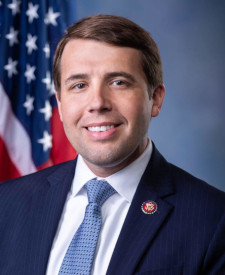

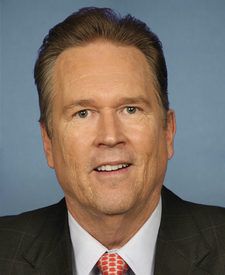
Legislative Progress
In CommitteeReferred to the House Committee on the Judiciary.
Introduced in House
Mr. Pappas (for himself and Mr. Buchanan) introduced the following …
Stakeholder Effects
cui bono?How this legislation distributes effects. Mention counts reflect frequency, not effect magnitude.
Bill Structure & Actor Mappings
Who is "The Secretary" in each section?
We use a combination of our own taxonomy and classification in addition to large language models to assess meaning and potential beneficiaries. High confidence means strong textual evidence. Always verify with the original bill text.
Learn more about our methodology