Reproductive Coercion Prevention and Protection Act of 2025
Summary
What This Bill Does
The bill makes detailed findings about domestic violence, intimate partner violence, reproductive coercion, mail-order contraception sabotage, interstate travel for reproductive health care, and multi-state insurance markets. It amends the Violence Against Women Act framework to add reproductive coercion to coercive behavior and to define it as control over reproductive autonomy through sexual assault, force, threat of force, or intimidation, including pressure to become pregnant or terminate a pregnancy, contraception sabotage, interference with reproductive health information, and tactics to control a pregnancy outcome. It creates a federal civil action against covered defendants when the victim or defendant used interstate or foreign commerce, payments, communications, objects, federal territories, or other interstate-commerce links. Courts may award actual damages, punitive damages, injunctions, and other relief. The bill preserves state custody, property, domestic-violence definitions, state remedies, and remand authority.
Who Benefits and How
Survivors of domestic violence, people experiencing reproductive coercion, contraception users, reproductive health patients, and victim-service organizations benefit from a federal definition and private lawsuit path with damages and injunctive relief.
Who Bears the Burden and How
Covered defendants, federal courts, state courts, attorneys, and reproductive-health employers must comply with new litigation risk, damages exposure, jurisdictional analysis, injunctions, and interaction with state domestic-violence and custody proceedings.
Key Provisions
- Amends federal domestic-violence law to include reproductive coercion as coercive behavior.
- Creates a federal private right of action for reproductive coercion and domestic violence when interstate-commerce links exist.
- Authorizes actual damages, punitive damages, injunctive relief, and other court-ordered relief.
- Preserves state custody, property, domestic-violence definitions, state remedies, and remand authority.
Evidence Chain:
This summary is generated from the full bill text using AI analysis. Expand "Detailed Analysis" below for identified beneficiaries/burden bearers with clause-level evidence links.
At a Glance
What This Bill Does
Adds reproductive coercion to federal domestic-violence law and creates a federal civil action allowing victims to seek actual damages, punitive damages, injunctions, and other relief when interstate-commerce links exist.
Key Policy Areas
Healthcare, Law Enforcement, General Public, Government
Primary Purpose
Adds reproductive coercion to federal domestic-violence law and creates a federal civil action allowing victims to seek actual damages, punitive damages, injunctions, and other relief when interstate-commerce links exist.
Policy Domains
Substantive provisions
Identified Gains
- Survivors of domestic violence
- People experiencing reproductive coercion
- Contraception users
- Victim-service organizations
Identified Costs
- Covered defendants
- Federal courts
- State courts
- Attorneys
- Reproductive-health employers
Sponsors



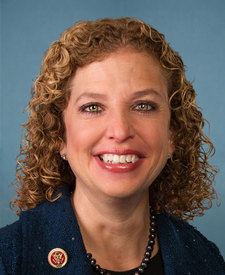
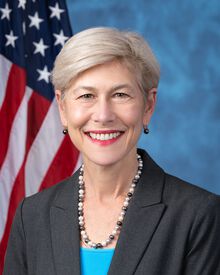
Legislative Progress
In CommitteeMr. Min (for himself, Ms. Tokuda, Ms. Randall, Ms. Pou, …
Referred to the House Committee on the Judiciary.
Introduced in House
Stakeholder Effects
cui bono?How this legislation distributes effects. Mention counts reflect frequency, not effect magnitude.
Covered defendants, People experiencing reproductive coercion, Survivors of domestic violence
Positive-direction: People experiencing reproductive coercion, Survivors of domestic violence, Survivors seeking civil damages
Negative-direction: Covered defendants
Contraception users, Reproductive health patients
Attorneys handling domestic violence claims
Bill Structure & Actor Mappings
Who is "The Secretary" in each section?
We use a combination of our own taxonomy and classification in addition to large language models to assess meaning and potential beneficiaries. High confidence means strong textual evidence. Always verify with the original bill text.
Learn more about our methodology