RESTRICT Act
Summary
What This Bill Does
The RESTRICT Act amends the Export Control Reform Act to control advanced integrated circuits and products classified under AI and data-center export control numbers, functionally equivalent products, and data-center marketed systems. Commerce must require a license for exports, reexports, or in-country transfers to covered Country Group D destinations and must deny licenses for entities located, headquartered, or parented in countries of concern, including Country Group D:5 countries plus Hong Kong and Macau. The Under Secretary of Commerce for Industry and Security may update the chip definition after 24 months with national-security findings and congressional consultation. The bill creates an approved United States person exemption for non-country-of-concern destinations when the chips remain under approved United States ownership and control, with regulations due within 90 days covering beneficial ownership caps, physical security, cybersecurity, remote-access controls, know-your-customer standards, annual audits, and approval process. The section sunsets after five years.
Who Benefits and How
United States national security agencies, approved United States semiconductor and cloud companies, domestic chip designers, and congressional oversight committees benefit from more durable controls on adversary access to advanced AI chips while preserving a path for secure United States-controlled deployments abroad.
Who Bears the Burden and How
Foreign entities in countries of concern, United States semiconductor exporters, cloud operators serving covered countries, and Bureau of Industry and Security export-control staff must comply with license denials, ownership caps, security controls, KYC duties, annual audits, Federal Register updates, and congressional consultation.
Key Provisions
- Requires licenses for advanced integrated circuit exports, reexports, or in-country transfers to covered countries.
- Bars licenses for entities located, headquartered, or parented in countries of concern.
- Creates an approved United States person exemption with ownership, cybersecurity, physical security, KYC, and annual audit requirements.
- Authorizes Commerce to update the chip definition after 24 months and sunsets the control after five years.
Evidence Chain:
This summary is generated from the full bill text using AI analysis. Expand "Detailed Analysis" below for identified beneficiaries/burden bearers with clause-level evidence links.
At a Glance
What This Bill Does
Creates a five-year statutory export-control regime for advanced data-center integrated circuits, requiring licenses for covered countries, denying licenses for countries of concern, and exempting approved United States persons that meet security standards.
Key Policy Areas
Technology, Manufacturing, Trade, Government, Defense
Primary Purpose
Creates a five-year statutory export-control regime for advanced data-center integrated circuits, requiring licenses for covered countries, denying licenses for countries of concern, and exempting approved United States persons that meet security standards.
Policy Domains
Substantive provisions
Identified Gains
- United States national security agencies
- Approved United States semiconductor companies
- Domestic chip designers
- Congressional oversight committees
Identified Costs
- Foreign entities in countries of concern
- United States semiconductor exporters
- Cloud operators serving covered countries
- Bureau of Industry and Security export-control staff
Sponsors
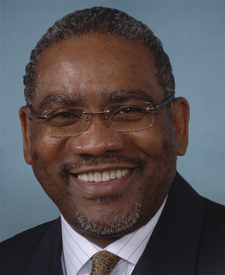
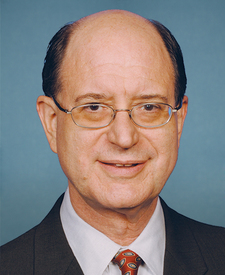



Legislative Progress
In CommitteeMr. Meeks (for himself, Ms. Kamlager-Dove, Mr. Castro of Texas, …
Referred to the House Committee on Foreign Affairs.
Introduced in House
Stakeholder Effects
cui bono?How this legislation distributes effects. Mention counts reflect frequency, not effect magnitude.
Approved United States semiconductor companies, Cloud operators serving covered countries, United States cloud data center operators
Positive-direction: Approved United States semiconductor companies
Negative-direction: Cloud operators serving covered countries
Bureau of Industry Security export-control staff, Congressional oversight committees
Positive-direction: Congressional oversight committees
Negative-direction: Bureau of Industry Security export-control staff
Bill Structure & Actor Mappings
Who is "The Secretary" in each section?
We use a combination of our own taxonomy and classification in addition to large language models to assess meaning and potential beneficiaries. High confidence means strong textual evidence. Always verify with the original bill text.
Learn more about our methodology