Southern Mongolian Human Rights Policy Act
Summary
What This Bill Does
The bill documents language suppression, religious restrictions, cultural repression, pastoral displacement, mining harms, and detention of Southern Mongolians in the Inner Mongolia Autonomous Region. It states United States policy to support Southern Mongolian human rights, cultural and linguistic heritage, religious freedom, and autonomy. It urges diplomatic and multilateral pressure, calls on US companies to avoid contributing to abuses, directs religious freedom assessment, requires an annual report identifying foreign persons responsible for serious abuses with sanctions encouraged under Global Magnitsky and immigration authorities, requires Voice of America Mongolian-language programming funded at 2 million dollars for each of fiscal years 2026 and 2027, calls for Smithsonian and museum-library support for endangered cultures, and requires a State-Commerce report on rare-earth mining effects at Bayan-Obo and related national-security interests.
Who Benefits and How
Southern Mongolian communities, diaspora cultural organizations, religious communities, human rights advocates, Voice of America audiences, and congressional foreign-affairs committees benefit from diplomatic pressure, sanctions identification, language broadcasting, cultural-preservation support, and mining-impact reporting.
Who Bears the Burden and How
Chinese officials tied to abuses, companies operating in autonomous Mongolian areas, State Department religious freedom officials, USAGM managers, Smithsonian and museum-library administrators, and State-Commerce mining analysts must face sanctions scrutiny, human-rights due diligence, reports, broadcasting work, grants review, and rare-earth analysis.
Key Provisions
- Requires United States policy to support Southern Mongolian rights, language, religion, culture, and autonomy.
- Directs reports identifying foreign persons responsible for serious abuses and encourages sanctions.
- Requires Voice of America Mongolian-language programming and implementation reporting.
- Requires cultural-preservation planning and rare-earth mining impact reporting tied to Southern Mongolia.
Evidence Chain:
This summary is generated from the full bill text using AI analysis. Expand "Detailed Analysis" below for identified beneficiaries/burden bearers with clause-level evidence links.
At a Glance
What This Bill Does
Sets United States policy in support of Southern Mongolian human rights and cultural preservation in China, with reports, sanctions identification, Mongolian-language broadcasting, cultural-preservation support, and rare-earth mining oversight.
Key Policy Areas
Human Rights, Foreign Entities, Government, Media, Research & Science
Primary Purpose
Sets United States policy in support of Southern Mongolian human rights and cultural preservation in China, with reports, sanctions identification, Mongolian-language broadcasting, cultural-preservation support, and rare-earth mining oversight.
Policy Domains
Substantive provisions
Identified Gains
- Southern Mongolian communities
- Diaspora cultural organizations
- Religious communities
- Voice of America audiences
Identified Costs
- Chinese officials tied to abuses
- State Department religious freedom officials
- USAGM managers
- State-Commerce mining analysts
Sponsors

Legislative Progress
In CommitteeReferred to the Committee on Foreign Affairs, and in addition …
Introduced in House
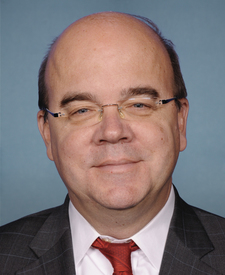
Mr. McGovern (for himself and Mr. Krishnamoorthi) introduced the following …
Stakeholder Effects
cui bono?How this legislation distributes effects. Mention counts reflect frequency, not effect magnitude.
Chinese officials responsible for abuses against Southern Mongolians, Southern Mongolian communities, Southern Mongolian cultural preservation advocates
Positive-direction: Southern Mongolian religious communities
Negative-direction: Chinese officials responsible for abuses against Southern Mongolians, State Department religious freedom officials, State and Commerce Departments
Bill Structure & Actor Mappings
Who is "The Secretary" in each section?
We use a combination of our own taxonomy and classification in addition to large language models to assess meaning and potential beneficiaries. High confidence means strong textual evidence. Always verify with the original bill text.
Learn more about our methodology