Protecting Children from Foreign Mutilation Act
Summary
What This Bill Does
The bill requires the President to impose immigration sanctions on foreign WPATH members, foreign licensed physicians who performed, prescribed, or facilitated covered gender-transition treatments for United States persons, and foreign owners or operators of clinics, hospitals, pharmacies, or other medical institutions that provide those treatments. Sanctioned people become inadmissible, visa-ineligible, and subject to immediate visa revocation. The bill directs the Secretary of State to create procedures for information submissions, includes exceptions for United Nations headquarters and other international obligations, creates a cooperation exception for people who leave covered entities and provide information, allows a national-security waiver, requires a 180-day report to Congress, defines covered procedures and medical exceptions, and includes severability.
Who Benefits and How
Groups opposed to gender-transition treatment for minors and congressional immigration overseers benefit from a sanctions tool aimed at foreign providers, while detransition treatment and treatment for specified disorders, injuries, infections, diseases, or acute illness remain outside the covered definition.
Who Bears the Burden and How
Foreign WPATH members, foreign physicians, foreign clinics, hospitals, pharmacies, State Department visa officers, and transgender minors seeking care from foreign providers must comply with visa sanctions, revocation risk, tip procedures, reporting, and reduced access to covered providers.
Key Provisions
- Requires immigration sanctions for specified foreign WPATH members and foreign physicians tied to covered treatment of United States minors.
- Bars or revokes visas and admission benefits for sanctioned foreign persons.
- Requires State Department tip procedures and a 180-day congressional report on sanctions and recommended measures.
- Provides exceptions for international obligations, qualifying cooperation, national-security waivers, medical exceptions, and severability.
Evidence Chain:
This summary is generated from the full bill text using AI analysis. Expand "Detailed Analysis" below for identified beneficiaries/burden bearers with clause-level evidence links.
At a Glance
What This Bill Does
Imposes visa denial, inadmissibility, and visa revocation sanctions on specified foreign persons tied to gender-transition medical treatment for United States minors, while creating reporting, tip-submission, waiver, and exception rules.
Key Policy Areas
Healthcare, Foreign Entities, Law Enforcement, Government
Primary Purpose
Imposes visa denial, inadmissibility, and visa revocation sanctions on specified foreign persons tied to gender-transition medical treatment for United States minors, while creating reporting, tip-submission, waiver, and exception rules.
Policy Domains
Substantive provisions
Identified Gains
- Advocacy groups opposed to gender-transition treatment for minors
- Congressional immigration overseers
- Patients receiving exempt medical treatment
Identified Costs
- Foreign WPATH members
- Foreign physicians
- Foreign clinics
- State Department visa officers
- Transgender minors seeking foreign care
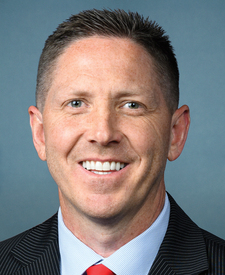
Sponsors



Legislative Progress
In CommitteeReferred to the House Committee on the Judiciary.
Introduced in House
Mr. McDowell (for himself, Mr. Brecheen, Mr. Weber of Texas, …
Stakeholder Effects
cui bono?How this legislation distributes effects. Mention counts reflect frequency, not effect magnitude.
Foreign WPATH members, Foreign clinics providing covered treatment, Foreign physicians providing covered treatment
Congressional immigration overseers, Federal courts reviewing the sanctions statute, State Department visa officers
Positive-direction: Congressional immigration overseers
Negative-direction: State Department visa officers
Bill Structure & Actor Mappings
Who is "The Secretary" in each section?
We use a combination of our own taxonomy and classification in addition to large language models to assess meaning and potential beneficiaries. High confidence means strong textual evidence. Always verify with the original bill text.
Learn more about our methodology