Protecting Health Care Workforce Pipelines Act
Summary
What This Bill Does
The bill delays the termination date for graduate and professional students at covered institutions from July 1, 2026 to July 1, 2030. Covered institutions are health professions or nursing schools located within 100 miles of a health professional shortage area or serving a medically underserved community, preserving access to the affected federal student-aid treatment for students in workforce pipeline programs.
Who Benefits and How
Graduate health professions students, professional health professions students, nursing students, health professions schools, and underserved communities benefit because the eligibility window remains open for four more years in areas tied to workforce shortages.
Who Bears the Burden and How
Education loan administrators and federal taxpayers must continue implementing the covered-institution rule and pay the cost of four additional years of eligibility for affected health workforce students.
Key Provisions
- Extends the covered-student termination date from July 1, 2026 to July 1, 2030.
- Preserves eligibility for health professions and nursing programs near shortage areas or medically underserved communities.
- Requires federal aid administrators to continue applying the covered-institution rule for four additional years.
Evidence Chain:
This summary is generated from the full bill text using AI analysis. Expand "Detailed Analysis" below for identified beneficiaries/burden bearers with clause-level evidence links.
At a Glance
What This Bill Does
Extends graduate and professional student eligibility for covered health professions and nursing programs near shortage areas or medically underserved communities through July 1, 2030.
Key Policy Areas
Education, Healthcare, Government
Primary Purpose
Extends graduate and professional student eligibility for covered health professions and nursing programs near shortage areas or medically underserved communities through July 1, 2030.
Policy Domains
Substantive provisions
Identified Gains
- Graduate health professions students
- Professional health professions students
- Nursing students
- Health professions schools
Identified Costs
- Education loan administrators
- Federal taxpayers
Sponsors
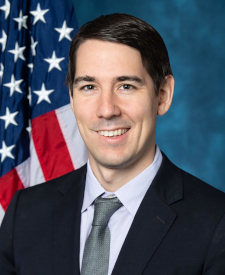
Legislative Progress
In CommitteeMr. Harder of California introduced the following bill; which was …
Referred to the House Committee on Education and Workforce.
Introduced in House
Stakeholder Effects
cui bono?How this legislation distributes effects. Mention counts reflect frequency, not effect magnitude.
Graduate health professions students, Nursing students, Professional health professions students
Bill Structure & Actor Mappings
Who is "The Secretary" in each section?
We use a combination of our own taxonomy and classification in addition to large language models to assess meaning and potential beneficiaries. High confidence means strong textual evidence. Always verify with the original bill text.
Learn more about our methodology