Peace Through Strength Against Russia Act of 2025
Summary
What This Bill Does
The Peace Through Strength Against Russia Act is a broad sanctions and trade-restriction bill. It defines key financial, maritime-insurance, Russian armed-forces, Russian government, Russian person, and U.S. person terms. It requires the President within 30 days and every 180 days to review and sanction covered Russian officials, supporters, and vessels; impose sanctions on the Central Bank of the Russian Federation, Sberbank, VTB Bank, Gazprombank, Russian state-owned financial institutions, subsidiaries, successors, and certain foreign financial institutions; and block property of other Russian government-owned or affiliated entities. It prohibits U.S. depository institutions and SEC-registered broker dealers from processing transfers to, from, or for the benefit of the Russian government or officials unless licensed. It bans new U.S. investment in Russia, U.S. provision of Treasury-identified services to persons in Russia, U.S. support for foreign transactions that would be barred if done by U.S. persons, new U.S. investment in Russia energy, and U.S. energy exports or transfers to Russia. It prohibits U.S. purchases of Russian sovereign debt and sanctions financial messaging providers used to evade sanctions. It requires implementation of Russian uranium import restrictions and sanctions Rosatom leaders, closes a refined-fuel loophole by banning imports of chapter 27 products made at refineries using Russian crude, sanctions Russia-North Korea arms and logistics networks, sanctions foreign persons involved in kidnapping or wrongful patriation of Ukrainian children, and raises duties on Russian goods to as much as 500 percent ad valorem. The bill preserves humanitarian, food, agriculture, medicine, medical-device, and Ukraine humanitarian-agreement exceptions; allows renewable two-year waivers with national-security certification and reports to Congress; applies IEEPA implementation authorities and penalties; allows termination only after peace and reliable assurances; repeals the Iran Sanctions Act sunset; and adds severability.
Who Benefits and How
The Government of Ukraine, Ukrainian children, Ukrainian families, humanitarian organizations, food suppliers, medicine suppliers, domestic manufacturers, domestic energy producers, Treasury Department staff, U.S. foreign policy agencies, and congressional committees benefit from stronger sanctions leverage, humanitarian carveouts, enforcement authority, and oversight reports.
Who Bears the Burden and How
Russian Federation officials, Russian financial institutions, Russian state banks, Russian government-owned entities, Russian energy companies, Russian vessels, Russian exporters, foreign financial institutions, U.S. depository institutions, broker dealers, U.S. investors, U.S. service exporters, U.S. importers, nuclear fuel buyers, global financial messaging providers, Treasury Department staff, Customs staff, Justice Department staff, and President staff face sanctions, bans, tariffs, screening duties, reporting obligations, enforcement exposure, or implementation work.
Key Provisions
- Requires sanctions reviews every 180 days for Russian officials, vessels, state banks, government-owned entities, financial messaging systems, Rosatom leaders, Russia-North Korea arms networks, and child-abduction participants.
- Prohibits U.S. fund transfers, securities trading, investment, services, energy exports, sovereign debt purchases, uranium imports, and refined-fuel imports tied to Russia.
- Raises duties on Russian goods, including energy products, to as much as 500 percent ad valorem.
- Provides exceptions for agricultural commodities, food, medicine, medical devices, humanitarian assistance, and Ukraine humanitarian agreements.
- Requires national-security certifications and congressional reports for waivers and termination of sanctions measures.
- Applies IEEPA authorities and penalties to sanctions violations and repeals the Iran Sanctions Act sunset.
Evidence Chain:
This summary is generated from the full bill text using AI analysis. Expand "Detailed Analysis" below for identified beneficiaries/burden bearers with clause-level evidence links.
At a Glance
What This Bill Does
Creates a sweeping Russia sanctions package that mandates repeated sanctions reviews of Russian officials, vessels, state banks, government-owned entities, energy companies, financial messaging systems, Rosatom-linked uranium actors, Russia-North Korea arms networks, child-abduction participants, Russian importers, Russian exporters, and sanctions violators; restricts fund transfers, securities trading, U.S. investment, services, energy exports, sovereign debt purchases, and refined-fuel imports tied to Russian oil; preserves humanitarian exceptions; requires waiver and termination reports; and repeals the Iran Sanctions Act sunset.
Key Policy Areas
Sanctions, Russia, Trade, Energy, Financial Services, Ukraine
Primary Purpose
Creates a sweeping Russia sanctions package that mandates repeated sanctions reviews of Russian officials, vessels, state banks, government-owned entities, energy companies, financial messaging systems, Rosatom-linked uranium actors, Russia-North Korea arms networks, child-abduction participants, Russian importers, Russian exporters, and sanctions violators; restricts fund transfers, securities trading, U.S. investment, services, energy exports, sovereign debt purchases, and refined-fuel imports tied to Russian oil; preserves humanitarian exceptions; requires waiver and termination reports; and repeals the Iran Sanctions Act sunset.
Policy Domains
Substantive provisions
Identified Gains
- Government of Ukraine
- Ukrainian children
- Ukrainian families
- Humanitarian organizations
- Food suppliers
- Medicine suppliers
- Domestic manufacturers
- Domestic energy producers
- Treasury Department staff
- U.S. foreign policy agencies
- Congressional committees
Identified Costs
- Russian Federation officials
- Russian financial institutions
- Russian state banks
- Russian government-owned entities
- Russian energy companies
- Russian vessels
- Russian exporters
- Foreign financial institutions
- U.S. depository institutions
- Broker dealers
- U.S. investors
- U.S. service exporters
- U.S. importers
- Nuclear fuel buyers
- Global financial messaging providers
- Treasury Department staff
- Customs staff
- Justice Department staff
- President staff
Sponsors


Legislative Progress
In CommitteeReferred to the Committee on Foreign Affairs, and in addition …
Introduced in House
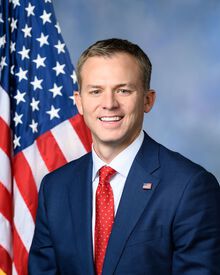
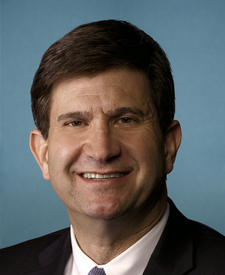
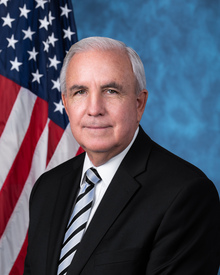
Mr. Fitzpatrick (for himself, Mr. Meeks, Mr. Bacon, Mr. Hoyer, …
Stakeholder Effects
cui bono?How this legislation distributes effects. Mention counts reflect frequency, not effect magnitude.
Foreign child-abduction participants, Foreign energy suppliers supporting Russia, Foreign persons seeking waivers
Positive-direction: Foreign persons seeking waivers, Government of Ukraine, Russian Federation, Ukraine humanitarian agreements, Ukrainian children, Ukrainian families
Negative-direction: Foreign child-abduction participants, Foreign energy suppliers supporting Russia, Iran energy sanctions targets, North Korea arms suppliers, Rosatom executives, Russian Federation officials, Russian businesses, Russian exporters, Russian government entities, Russian government-owned entities, Sanctions violators
Congress, Customs import staff, President staff
Positive-direction: Congress, U.S. foreign policy agencies
Negative-direction: Customs import staff, President staff, Treasury licensing staff, Treasury sanctions staff
Broker dealers, Foreign financial institutions, Global financial messaging providers
Domestic energy producers, Domestic uranium suppliers, U.S. energy exporters
Positive-direction: Domestic energy producers, Domestic uranium suppliers
Negative-direction: U.S. energy exporters, U.S. nuclear fuel buyers
Russian refined fuel importers, U.S. importers of Russian goods, U.S. service exporters
Sanctions compliance staff, U.S. sanctions compliance firms
Positive-direction: U.S. sanctions compliance firms
Negative-direction: Sanctions compliance staff
Bill Structure & Actor Mappings
Who is "The Secretary" in each section?
We use a combination of our own taxonomy and classification in addition to large language models to assess meaning and potential beneficiaries. High confidence means strong textual evidence. Always verify with the original bill text.
Learn more about our methodology