Securing Energy Supply Chains Act
Summary
What This Bill Does
The Securing Energy Supply Chains Act builds a DOE procurement screen for energy supply-chain risk. It defines an Energy Non-Procurement List, foreign entity of concern, and Secretary. Within 90 days, DOE must list entities engaged in activities detrimental to U.S. national security, energy security, economic security, public safety, or foreign policy, prioritizing entities that produce, process, extract, recycle, assemble, or provide critical materials, batteries, or battery components. DOE may include entities owned, controlled, or influenced by foreign entities of concern; entities on the Defense Department Chinese Military Company List; OFAC SDN list; State foreign terrorist organization list; Commerce Consolidated Screening List; or similar lists. One year after enactment, DOE may not enter or renew contracts with covered entities unless no alternative source can meet the project need. DOE contractors and first-tier subcontractors also may not use covered subcontracts without the same finding. Bidders must certify they are not covered entities, and DOE must terminate contracts if contractors or certain subcontractors are found covered, unless an exception applies. DOE must also coordinate with Commerce, Defense, State, Treasury, the intelligence community, and others to study overlapping federal lists of foreign entities of concern, sanctions targets, Chinese military companies, procurement-barred entities, and entities working with the Chinese Communist Party, then report harmonization recommendations to Congress.
Who Benefits and How
Domestic critical materials suppliers and battery manufacturers benefit if DOE procurement shifts away from foreign entities of concern and listed adversary-linked suppliers. DOE program offices benefit from a clearer list for procurement risk. Congress benefits from a cross-agency report on duplicative or conflicting entity lists. U.S. energy projects benefit if supply-chain security risks are identified before procurement.
Who Bears the Burden and How
DOE procurement staff must create and maintain the Energy Non-Procurement List, review bids, make alternative-source findings, and terminate contracts when required. DOE contractors and first-tier subcontractors must certify status and screen covered subcontracts. Foreign entities of concern and listed adversary-linked suppliers lose access to DOE contracts. Federal agencies must coordinate list-overlap data for the study and report.
Key Provisions
- Creates an Energy Non-Procurement List within 90 days for entities detrimental to U.S. security interests.
- Prioritizes critical materials, batteries, and battery-component supply-chain entities for review.
- Bars DOE contracts and covered subcontracts with listed entities after one year unless no adequate alternative source exists.
- Requires bidders to certify they are not covered entities and requires contract termination when covered status is found.
- Requires a cross-agency study and congressional report on harmonizing foreign-entity, sanctions, Chinese military company, and procurement-bar lists.
Evidence Chain:
This summary is generated from the full bill text using AI analysis. Expand "Detailed Analysis" below for identified beneficiaries/burden bearers with clause-level evidence links.
At a Glance
What This Bill Does
Requires DOE to create an Energy Non-Procurement List within 90 days for entities that threaten national, energy, economic, public-safety, or foreign-policy interests, prioritizing critical materials and batteries; bars DOE contracts and covered subcontracts with listed entities after one year unless no adequate alternative source exists; requires bidder certifications and contract termination; and orders a cross-agency study to harmonize federal entity lists.
Key Policy Areas
Energy Security, Procurement, Supply Chains
Primary Purpose
Requires DOE to create an Energy Non-Procurement List within 90 days for entities that threaten national, energy, economic, public-safety, or foreign-policy interests, prioritizing critical materials and batteries; bars DOE contracts and covered subcontracts with listed entities after one year unless no adequate alternative source exists; requires bidder certifications and contract termination; and orders a cross-agency study to harmonize federal entity lists.
Policy Domains
Substantive provisions
Identified Gains
- Domestic critical materials suppliers
- Battery manufacturers
- DOE program offices
- Congress
- U.S. energy projects
Identified Costs
- DOE procurement staff
- DOE contractors
- First-tier subcontractors
- Foreign entities of concern
- Federal agencies
Sponsors
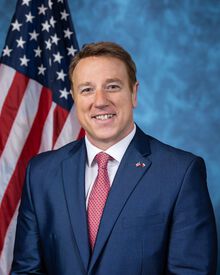
Legislative Progress
In CommitteeMr. Fallon introduced the following bill; which was referred to …
Referred to the House Committee on Energy and Commerce.
Introduced in House
Stakeholder Effects
cui bono?How this legislation distributes effects. Mention counts reflect frequency, not effect magnitude.
Congress, Department of Energy policy staff, Department of Energy procurement staff
Positive-direction: Congress
Negative-direction: Department of Energy policy staff, Department of Energy procurement staff, Federal agencies
DOE contractors, Domestic critical materials suppliers, First-tier subcontractors
Positive-direction: Domestic critical materials suppliers, U.S. energy projects
Negative-direction: DOE contractors, First-tier subcontractors
Bill Structure & Actor Mappings
Who is "The Secretary" in each section?
We use a combination of our own taxonomy and classification in addition to large language models to assess meaning and potential beneficiaries. High confidence means strong textual evidence. Always verify with the original bill text.
Learn more about our methodology