Tobacco TRACE Act
Summary
What This Bill Does
The Tobacco TRACE Act is a narrow enforcement-timing bill. Current Food, Drug, and Cosmetic Act language says the Secretary may require tobacco product codes for tracking or tracing. The bill changes that discretion into a mandate: beginning not later than June 1, 2026, the Secretary shall require those tracking or tracing codes. The practical effect is to force FDA to move from optional authority to a fixed implementation deadline for tobacco-product traceability, which can support enforcement against diversion, illicit distribution, and noncompliant tobacco products.
Who Benefits and How
FDA tobacco enforcement staff benefit from a clearer statutory deadline and mandatory track-and-trace authority. Public health regulators benefit if product codes make it easier to follow tobacco products through the supply chain. Compliant tobacco manufacturers and distributors benefit if traceability makes illicit or noncompliant competitors easier to detect.
Who Bears the Burden and How
FDA must implement the mandatory tracking-code requirement by June 1, 2026. Tobacco manufacturers, importers, distributors, and supply-chain firms must comply with product-code requirements once FDA implements them. Noncompliant tobacco sellers face greater enforcement risk because traceability can make product movement easier to audit.
Key Provisions
- Amends FDA tobacco-product tracking authority from discretionary to mandatory.
- Requires the Secretary to mandate tobacco tracking or tracing codes by June 1, 2026.
- Strengthens enforcement tools for tracing tobacco products through the supply chain.
Evidence Chain:
This summary is generated from the full bill text using AI analysis. Expand "Detailed Analysis" below for identified beneficiaries/burden bearers with clause-level evidence links.
At a Glance
What This Bill Does
Requires FDA to make tobacco-product tracking or tracing codes mandatory by changing section 920(b)(3) of the Federal Food, Drug, and Cosmetic Act from discretionary authority to a June 1, 2026 deadline for the Secretary to require codes for tracking or tracing tobacco products.
Key Policy Areas
Tobacco Regulation, FDA, Supply Chain
Primary Purpose
Requires FDA to make tobacco-product tracking or tracing codes mandatory by changing section 920(b)(3) of the Federal Food, Drug, and Cosmetic Act from discretionary authority to a June 1, 2026 deadline for the Secretary to require codes for tracking or tracing tobacco products.
Policy Domains
Substantive provisions
Identified Gains
- FDA tobacco enforcement staff
- Public health regulators
- Compliant tobacco manufacturers
- Compliant tobacco distributors
Identified Costs
- FDA rulemaking staff
- Tobacco manufacturers
- Tobacco importers
- Tobacco distributors
- Noncompliant tobacco sellers
Sponsors


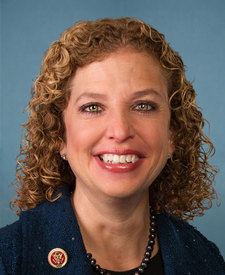


Legislative Progress
In CommitteeMr. Conaway (for himself, Ms. Wasserman Schultz, and Ms. Norton) …
Referred to the House Committee on Energy and Commerce.
Introduced in House
Impact analysis is available but no clear stakeholder effects identified. View clause-level analysis →
Bill Structure & Actor Mappings
Who is "The Secretary" in each section?
We use a combination of our own taxonomy and classification in addition to large language models to assess meaning and potential beneficiaries. High confidence means strong textual evidence. Always verify with the original bill text.
Learn more about our methodology