PEERS Act of 2025
Summary
What This Bill Does
The PEERS Act expands Medicare-covered behavioral health services. It amends Medicare outpatient service coverage to include peer support services provided by community mental health centers, and it adjusts rural health clinic and Federally qualified health center language so peer support specialists can furnish covered services in the specified settings. It defines peer support services as emotional, informational, instrumental, social, and community support services furnished by Federally qualified health centers, rural health clinics, community mental health centers, or certified community behavioral health clinics to people diagnosed with a mental health condition or substance use disorder. The services must be designed to support recovery, community integration, self-empowerment, and self-determination. It defines a peer support specialist as a person recovering from a mental health or substance use condition who is certified as qualified to furnish peer support services.
Who Benefits and How
Medicare beneficiaries with mental health conditions or substance use disorders benefit because peer-led recovery support becomes a covered service in specified behavioral health and safety-net settings. Peer support specialists benefit because Medicare reimbursement can create a broader paid role for certified peers. Community mental health centers, Federally qualified health centers, rural health clinics, and certified community behavioral health clinics benefit from reimbursement pathways for peer support services.
Who Bears the Burden and How
CMS Medicare administrators must implement coverage rules, definitions, billing policy, and provider guidance. Participating clinics must verify peer specialist certification, document eligible diagnoses, and bill for the new service category. Medicare trust funds bear the cost of covering additional peer support services.
Key Provisions
- Expands Medicare coverage to include peer support services at community mental health centers.
- Adds peer support specialists to covered service language for rural health clinics and Federally qualified health centers.
- Defines peer support services as recovery, community integration, self-empowerment, and self-determination support.
- Defines peer support specialists as certified individuals recovering from mental health or substance use conditions.
Evidence Chain:
This summary is generated from the full bill text using AI analysis. Expand "Detailed Analysis" below for identified beneficiaries/burden bearers with clause-level evidence links.
At a Glance
What This Bill Does
Adds Medicare coverage for peer support services furnished through community mental health centers, Federally qualified health centers, rural health clinics, and certified community behavioral health clinics by certified peer support specialists serving beneficiaries diagnosed with mental health conditions or substance use disorders.
Key Policy Areas
Medicare, Behavioral Health, Substance Use Disorder
Primary Purpose
Adds Medicare coverage for peer support services furnished through community mental health centers, Federally qualified health centers, rural health clinics, and certified community behavioral health clinics by certified peer support specialists serving beneficiaries diagnosed with mental health conditions or substance use disorders.
Policy Domains
Substantive provisions
Identified Gains
- Medicare beneficiaries
- Peer support specialists
- Community mental health centers
- Federally qualified health centers
- Rural health clinics
Identified Costs
- CMS Medicare administrators
- Participating clinics
- Medicare trust funds
Sponsors

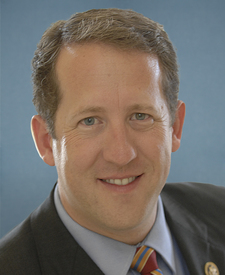
Judy Chu
D-CA | Primary Sponsor
Legislative Progress
In CommitteeReferred to the Committee on Energy and Commerce, and in …
Introduced in House
Ms. Chu (for herself and Mr. Smith of Nebraska) introduced …
Stakeholder Effects
cui bono?How this legislation distributes effects. Mention counts reflect frequency, not effect magnitude.
Community mental health centers, Federally qualified health centers, Medicare beneficiaries
Bill Structure & Actor Mappings
Who is "The Secretary" in each section?
We use a combination of our own taxonomy and classification in addition to large language models to assess meaning and potential beneficiaries. High confidence means strong textual evidence. Always verify with the original bill text.
Learn more about our methodology