Veterans STAND Act
Summary
What This Bill Does
The Veterans STAND Act adds an annual preventative evaluation requirement to VA care for veterans with spinal cord injuries or disorders. VA must furnish the evaluation through direct care, referral, or VA telehealth when an eligible veteran elects it. The evaluation must assess risks for related health complications and comorbidities, chronic pain and pain management, dietary and weight management, prosthetic needs and safety, and assistive technology needs, including spinal cord neuromodulation such as noninvasive transcutaneous spinal stimulation, suitability for home use, training, programming, and remote follow-up. VA must consult spinal cord injury program managers, VA clinicians, neuromodulation experts, veterans service organizations, and relevant manufacturers when issuing guidance or rules. VA must provide veterans information about the evaluation and report every two years to the veterans affairs committees on utilization, consultation results, guidance, functional outcomes, mobility, independence, home use, and access barriers.
Who Benefits and How
Veterans with spinal cord injuries or disorders benefit from a recurring evaluation aimed at preventing complications, improving chronic-pain management, checking prosthetic safety, and identifying assistive technologies that could improve mobility or independence. VA clinicians benefit from a clearer statutory checklist for preventive spinal-cord care. Assistive technology manufacturers may benefit when VA guidance and evaluations identify more veterans suited for neuromodulation or other devices.
Who Bears the Burden and How
VA spinal-cord care programs must furnish the annual evaluations, update guidance, consult experts and manufacturers, notify eligible veterans, collect utilization and outcomes data, and report every two years to Congress. VA clinicians and prosthetics staff must perform or coordinate the assessments. Manufacturers that want to influence guidance must participate in consultation and may face evidence questions about device suitability, training, programming, and home use.
Key Provisions
- Requires annual preventative health evaluations for veterans with spinal cord injuries or disorders who elect them.
- Requires assessments of complications, chronic pain, diet, weight, prosthetics, safety, and assistive technology needs.
- Directs VA to consider spinal cord neuromodulation, home use, training, programming, and remote follow-up.
- Requires consultation with VA program managers, clinicians, neuromodulation experts, veterans service organizations, and manufacturers.
- Requires VA to notify veterans and report utilization, outcomes, guidance, and access barriers to Congress every two years.
Evidence Chain:
This summary is generated from the full bill text using AI analysis. Expand "Detailed Analysis" below for identified beneficiaries/burden bearers with clause-level evidence links.
At a Glance
What This Bill Does
Requires VA to furnish annual preventative health evaluations for veterans with spinal cord injuries or disorders, including assessments of complications, chronic pain, diet and weight management, prosthetic equipment, and assistive technologies such as spinal cord neuromodulation, with expert consultation, veteran notice, and biennial reports to Congress.
Key Policy Areas
Veterans Affairs, Health Care, Medical Technology
Primary Purpose
Requires VA to furnish annual preventative health evaluations for veterans with spinal cord injuries or disorders, including assessments of complications, chronic pain, diet and weight management, prosthetic equipment, and assistive technologies such as spinal cord neuromodulation, with expert consultation, veteran notice, and biennial reports to Congress.
Policy Domains
Substantive provisions
Identified Gains
- Veterans with spinal cord injuries
- VA spinal-cord clinicians
- Assistive technology manufacturers
- Veterans service organizations
Identified Costs
- Department of Veterans Affairs spinal-cord care programs
- VA clinicians
- VA prosthetics staff
- Assistive technology manufacturers
Sponsors

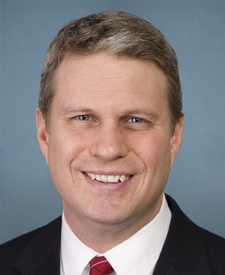
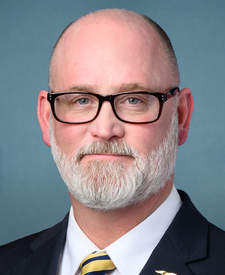
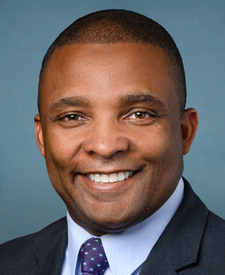

Legislative Progress
In CommitteeReferred to the Subcommittee on Health.
Referred to the House Committee on Veterans' Affairs.
Introduced in House
Mr. Bergman (for himself, Mr. Bost, Mr. Neguse, Mr. Gottheimer, …
Stakeholder Effects
cui bono?How this legislation distributes effects. Mention counts reflect frequency, not effect magnitude.
Assistive technology manufacturers, VA prosthetics staff
Positive-direction: Assistive technology manufacturers
Negative-direction: VA prosthetics staff
Department of Veterans Affairs spinal-cord care programs
Bill Structure & Actor Mappings
Who is "The Secretary" in each section?
We use a combination of our own taxonomy and classification in addition to large language models to assess meaning and potential beneficiaries. High confidence means strong textual evidence. Always verify with the original bill text.
Learn more about our methodology