Stop Padding Presidential Pockets Act
Summary
What This Bill Does
The Stop Padding Presidential Pockets Act is an anti-corruption and conflict-of-interest bill aimed at Presidents, Vice Presidents, immediate family members, presidential libraries, and presidential business interests. It requires Secret Service protectees covered by 18 U.S.C. 3056(a)(1) or (2) to reimburse the Treasury when travel furthers a business owned or controlled by the President or financially benefits the President. It amends the Federal Tort Claims Act to bar claims by the President, Vice President, or a person who becomes President or Vice President while the claim is pending, including pending claims. It prohibits covered protectees from soliciting presidential library or museum donations while the President is in office, requires annual reports to the Archivist from covered persons and private library entities, imposes a $1,000 per day fine for missing reports, bars the President from creating, operating, directing, or serving on the board of a business while in office, requires immediate family certifications when their conduct could enrich the President, and imposes a 100 percent tax on income from prohibited presidential business activity.
Who Benefits and How
Federal taxpayers benefit because business-related Secret Service travel costs must be reimbursed to the Treasury. Voters, Congress, and ethics watchdogs benefit from reporting on presidential library interactions and private library finances. The National Archives benefits from clearer reporting submissions that create an oversight record. Competing businesses benefit if sitting Presidents cannot use officeholding to operate or promote private business ventures.
Who Bears the Burden and How
Secret Service protectees using presidential businesses must reimburse travel protection and government travel costs. Presidents and Vice Presidents lose access to Federal Tort Claims Act claims against the government. Presidential library entities and covered persons must file annual reports with the Archivist or face $1,000 daily fines. Presidents must avoid active business creation, operation, board service, or day-to-day management while in office, and immediate family members must make quarterly certifications when their conduct could benefit the President.
Key Provisions
- Requires reimbursement to the Treasury for Secret Service and government travel costs tied to presidential business interests.
- Bars tort claims against the government by Presidents, Vice Presidents, and people who assume those offices while claims are pending.
- Prohibits covered protectees from soliciting presidential library or museum donations while the President is in office.
- Requires annual presidential library interaction and financial reports to the Archivist with $1,000 daily fines for nonfiling.
- Prohibits presidential business creation, operation, board service, and day-to-day management while in office.
- Applies a 100 percent tax to income earned from prohibited presidential business activity.
Evidence Chain:
This summary is generated from the full bill text using AI analysis. Expand "Detailed Analysis" below for identified beneficiaries/burden bearers with clause-level evidence links.
At a Glance
What This Bill Does
Bars several presidential self-enrichment paths by requiring Secret Service travel reimbursement for presidential business trips, blocking presidential and vice presidential tort claims against the government, restricting presidential library fundraising while in office, requiring library-related financial reports, prohibiting active presidential business operations, and taxing prohibited presidential business income at 100 percent.
Key Policy Areas
Government Ethics, Presidential Accountability, Tax
Primary Purpose
Bars several presidential self-enrichment paths by requiring Secret Service travel reimbursement for presidential business trips, blocking presidential and vice presidential tort claims against the government, restricting presidential library fundraising while in office, requiring library-related financial reports, prohibiting active presidential business operations, and taxing prohibited presidential business income at 100 percent.
Policy Domains
Substantive provisions
Identified Gains
- Federal taxpayers
- Congressional oversight committees
- Ethics watchdogs
- Competing businesses
- National Archives staff
Identified Costs
- Secret Service protectees using presidential businesses
- Presidents
- Vice Presidents
- Presidential library entities
- Presidential immediate family members
Sponsors


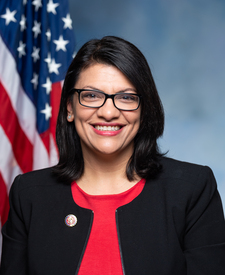

Legislative Progress
In CommitteeMrs. Watson Coleman (for herself, Mrs. McIver, and Ms. Tlaib) …
Referred to the Committee on Oversight and Government Reform, and …
Introduced in House
Stakeholder Effects
cui bono?How this legislation distributes effects. Mention counts reflect frequency, not effect magnitude.
Congressional oversight committees, National Archives reporting staff, Presidents with private business interests
Positive-direction: Congressional oversight committees
Negative-direction: National Archives reporting staff, Presidents with private business interests, Secret Service protectees using presidential businesses
United States Secret Service travel operations
Bill Structure & Actor Mappings
Who is "The Secretary" in each section?
We use a combination of our own taxonomy and classification in addition to large language models to assess meaning and potential beneficiaries. High confidence means strong textual evidence. Always verify with the original bill text.
Learn more about our methodology