Heartbeat Protection Act of 2025
Summary
What This Bill Does
The Heartbeat Protection Act inserts a new section 1532 into chapter 74 of title 18. It bars a physician from knowingly performing an abortion that kills an unborn child without determining whether a detectable fetal heartbeat exists, without informing the pregnant patient of the result, or after determining that a detectable heartbeat exists. The bill creates exceptions when an abortion is necessary in reasonable medical judgment to save the life of a pregnant woman endangered by a physical disorder, illness, injury, or life-endangering pregnancy condition. It also creates exceptions for pregnancies resulting from rape of an adult woman if counseling or medical treatment occurred at least 48 hours earlier, and for rape or incest involving a minor if reported to child-abuse authorities or law enforcement. Physicians using exceptions must comply with documentation and reporting duties.
Who Benefits and How
Abortion opponents and organizations focused on fetal protection benefit because the bill creates a national criminal rule restricting abortions after a detectable heartbeat. Pregnant patients facing life-endangering physical conditions retain a statutory exception. Adult rape survivors and minors subjected to rape or incest retain exceptions if counseling, treatment, or reporting conditions are satisfied. Law enforcement agencies receive a federal offense framework and documentation requirements.
Who Bears the Burden and How
Physicians, abortion clinics, and hospital reproductive health programs must comply with mandatory heartbeat-check, patient-notice, documentation, and exception-reporting requirements before performing covered abortions. Physicians who violate the prohibition face federal criminal prosecution and penalties under title 18. Pregnant patients seeking abortions after heartbeat detection face a new legal barrier unless an exception applies. Rape survivors and minors may be required to satisfy counseling, treatment, child-abuse-reporting, or law-enforcement-reporting conditions before an exception is available. Federal prosecutors, law enforcement agencies, and child-abuse reporting agencies must handle enforcement or exception documentation.
Key Provisions
- Establishes a federal prohibition on abortions performed without a fetal heartbeat check or patient notification.
- Bars abortions after a detectable heartbeat unless a statutory exception applies.
- Creates exceptions for life-endangering physical conditions and specified rape or incest circumstances.
- Requires physicians using exceptions to satisfy documentation and reporting duties.
- Adds the new offense to title 18 criminal abortion provisions.
Evidence Chain:
This summary is generated from the full bill text using AI analysis. Expand "Detailed Analysis" below for identified beneficiaries/burden bearers with clause-level evidence links.
At a Glance
What This Bill Does
Creates a federal criminal prohibition on physicians knowingly performing abortions without first checking for a fetal heartbeat, without informing the pregnant patient of the result, or after detecting a heartbeat, subject to exceptions for life-endangering physical conditions, rape, incest, counseling or treatment documentation, reports to child-abuse or law-enforcement agencies, and specified reporting duties.
Key Policy Areas
Healthcare, Criminal Justice, Reproductive Health
Primary Purpose
Creates a federal criminal prohibition on physicians knowingly performing abortions without first checking for a fetal heartbeat, without informing the pregnant patient of the result, or after detecting a heartbeat, subject to exceptions for life-endangering physical conditions, rape, incest, counseling or treatment documentation, reports to child-abuse or law-enforcement agencies, and specified reporting duties.
Policy Domains
Substantive provisions
Identified Gains
- Abortion opponents
- Fetal protection organizations
- Pregnant patients with life-endangering conditions
- Law enforcement agencies
Identified Costs
- Physicians
- Abortion clinics
- Hospital reproductive health programs
- Pregnant patients seeking abortions
- Rape survivors
- Federal prosecutors
Sponsors
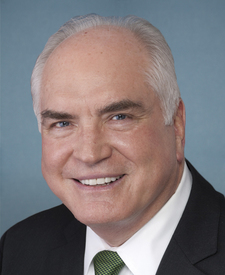
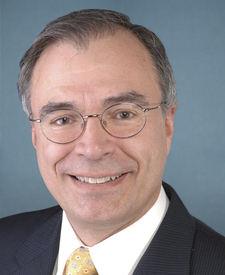

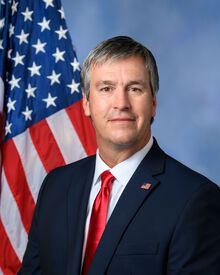

Legislative Progress
In CommitteeMr. Kelly of Pennsylvania (for himself, Mr. Smith of New …
Referred to the House Committee on the Judiciary.
Introduced in House
Stakeholder Effects
cui bono?How this legislation distributes effects. Mention counts reflect frequency, not effect magnitude.
Abortion clinics, Physicians performing abortions, Pregnant patients seeking abortions
Positive-direction: Pregnant patients with life-endangering conditions
Negative-direction: Abortion clinics, Physicians performing abortions, Pregnant patients seeking abortions
Bill Structure & Actor Mappings
Who is "The Secretary" in each section?
We use a combination of our own taxonomy and classification in addition to large language models to assess meaning and potential beneficiaries. High confidence means strong textual evidence. Always verify with the original bill text.
Learn more about our methodology