Veterans’ Burial Improvement Act of 2025
Summary
What This Bill Does
The Veterans Burial Improvement Act makes several changes to title 38 burial benefits. It removes the September 30, 2032 sunset on burial eligibility for spouses and dependent children who die before active duty service members. It rewrites section 2308 to let VA pay transportation costs for deceased veterans, including a $745 transportation allowance for covered veterans transported to covered veterans cemeteries, annual CPI adjustments, additional payments when death occurs outside a state and actual costs exceed the allowance, and actual transportation costs for veterans who die in VA facilities, state veterans homes, nursing homes, or covered non-VA facilities. It authorizes group headstones or markers for burial locations containing remains of multiple eligible veterans, with coordination with property owners and historic preservation officials. It also expands plot or interment allowance eligibility to certain veterans discharged under conditions other than dishonorable who miss minimum active-duty requirements and to their spouses and dependent children.
Who Benefits and How
Military families benefit from permanent national cemetery eligibility for spouses and dependent children who predecease active duty members. Families of deceased veterans benefit from transportation allowances and actual-cost reimbursement in covered facility deaths. Veterans buried in shared or historic sites benefit from group markers that can explain the significance of the location. Additional veterans and family members benefit from broader plot or interment allowance eligibility.
Who Bears the Burden and How
VA burial benefits staff must administer new transportation formulas, CPI increases, actual-cost rules, and eligibility categories. VA cemetery and memorial staff must evaluate group marker requests and coordinate with property owners and historic preservation officials. Federal taxpayers fund higher burial and transportation payments. Funeral homes and family representatives may need to document transportation costs and cemetery eligibility.
Key Provisions
- Makes burial eligibility permanent for spouses and dependent children who predecease active duty service members.
- Establishes a $745 transportation allowance for covered deceased veterans with annual CPI increases.
- Requires actual transportation-cost payments for veterans who die in VA, state veterans home, nursing home, or covered non-VA facilities.
- Authorizes VA group headstones or markers for burial locations containing multiple eligible veterans.
- Expands plot or interment allowance eligibility for certain additional veterans and their spouses and dependent children.
Evidence Chain:
This summary is generated from the full bill text using AI analysis. Expand "Detailed Analysis" below for identified beneficiaries/burden bearers with clause-level evidence links.
At a Glance
What This Bill Does
Makes certain predeceased spouse and child burial eligibility permanent, rewrites VA transportation benefits for deceased veterans with a $745 inflation-adjusted allowance and actual-cost coverage in covered facilities, authorizes group burial markers, and expands plot or interment allowance eligibility for additional veterans and family members.
Key Policy Areas
Veterans, Burial Benefits, Military Families
Primary Purpose
Makes certain predeceased spouse and child burial eligibility permanent, rewrites VA transportation benefits for deceased veterans with a $745 inflation-adjusted allowance and actual-cost coverage in covered facilities, authorizes group burial markers, and expands plot or interment allowance eligibility for additional veterans and family members.
Policy Domains
Substantive provisions
Identified Gains
- Military families
- Families of deceased veterans
- Veterans in shared burial sites
- Additional burial allowance claimants
Identified Costs
- VA burial benefits staff
- VA cemetery staff
- Historic preservation officials
- Federal taxpayers
- Funeral homes
Sponsors

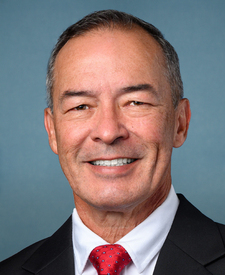
Legislative Progress
In CommitteeReferred to the Subcommittee on Disability Assistance and Memorial Affairs.
Mr. Pappas (for himself and Mr. Moylan) introduced the following …
Referred to the House Committee on Veterans' Affairs.
Introduced in House
Stakeholder Effects
cui bono?How this legislation distributes effects. Mention counts reflect frequency, not effect magnitude.
Additional veteran burial claimants, Covered veterans cemeteries, Dependent children of eligible veterans
Historic preservation officials, VA burial benefits staff, VA cemetery staff
VA burial benefits staff faces effects in multiple directions
Taxpayers
Taxpayers faces effects in multiple directions
Bill Structure & Actor Mappings
Who is "The Secretary" in each section?
We use a combination of our own taxonomy and classification in addition to large language models to assess meaning and potential beneficiaries. High confidence means strong textual evidence. Always verify with the original bill text.
Learn more about our methodology