Antisemitism Response and Prevention Act of 2025
Summary
What This Bill Does
The Antisemitism Response and Prevention Act responds to rising antisemitic incidents while also setting civil-liberties limits on how antisemitism definitions may be used. It requires higher education institutions receiving federal funds to designate Title VI coordinators, run annual public awareness campaigns, report Title VI complaints to the Secretary of Education, post public reports with protected redactions, and distinguish discrimination from protected First Amendment political expression. It authorizes $280 million annually for the Department of Education Office for Civil Rights for fiscal years 2027 through 2032 and requires certifications about reopening regional OCR offices closed after January 20, 2025. It creates a DOJ Office of the National Coordinator to Counter Antisemitism, an FBI Hate Crime Reporting Center with $50 million annually for fiscal years 2027 through 2032, and expands the Nonprofit Security Grant Program to $500 million annually while barring grant conditions tied to DEI, immigration, political positions, advocacy, or protected status. It also authorizes $25 million annually for public awareness campaigns and requires reports on extremist ideologies in public institutions, law enforcement, and domestic terrorism threats.
Who Benefits and How
Jewish communities and institutions benefit from dedicated federal coordination, stronger hate-crime data, and expanded security-grant funding. Students and staff facing Title VI discrimination benefit from named coordinators, complaint procedures, awareness campaigns, and reporting duties at colleges and universities. Nonprofit organizations at risk of attack benefit from higher Nonprofit Security Grant Program funding and restrictions on ideological grant conditions. Civil-rights complainants benefit from added OCR funding and regional office protections. Hate-crime victims and targeted communities benefit from the FBI data center, public awareness work, and community partnerships.
Who Bears the Burden and How
Higher education institutions must designate Title VI coordinators, run campaigns, file annual reports, and provide notices. The Department of Education, DOJ, FBI, FEMA, DHS, ODNI, and other relevant agencies must create offices, staff coordinator positions, publish reports, and coordinate across more than 30 agencies. State administrators of security grants may not impose listed ideological conditions. Federal taxpayers fund the OCR, HCRC, nonprofit security, and awareness-campaign authorizations. Public institutions and law enforcement organizations may face scrutiny through extremist-ideology reporting.
Key Provisions
- Requires federally funded higher education institutions to designate Title VI coordinators, run awareness campaigns, and report complaints.
- Authorizes $280 million per year for the Department of Education Office for Civil Rights from fiscal years 2027 through 2032.
- Establishes a DOJ National Coordinator to Counter Antisemitism and a 10-year biennial review process.
- Establishes an FBI Hate Crime Reporting Center and authorizes $50 million per year from fiscal years 2027 through 2032.
- Expands the Nonprofit Security Grant Program to $500 million per year and bars specified ideological grant conditions.
- Requires reports on extremist ideologies in public institutions and domestic terrorism threats.
Evidence Chain:
This summary is generated from the full bill text using AI analysis. Expand "Detailed Analysis" below for identified beneficiaries/burden bearers with clause-level evidence links.
At a Glance
What This Bill Does
Creates a federal antisemitism response framework with higher-education Title VI coordinators, $280 million per year for the Department of Education Office for Civil Rights, a DOJ National Coordinator to Counter Antisemitism, an FBI Hate Crime Reporting Center with $50 million per year, expanded nonprofit security grants, and new reports on extremist ideologies and domestic terrorism threats.
Key Policy Areas
Civil Rights, Education, Law Enforcement, Homeland Security, Non-Profit Institutions
Primary Purpose
Creates a federal antisemitism response framework with higher-education Title VI coordinators, $280 million per year for the Department of Education Office for Civil Rights, a DOJ National Coordinator to Counter Antisemitism, an FBI Hate Crime Reporting Center with $50 million per year, expanded nonprofit security grants, and new reports on extremist ideologies and domestic terrorism threats.
Policy Domains
Substantive provisions
Identified Gains
- Jewish communities
- Higher education students
- Civil rights complainants
- Nonprofit security grant applicants
- Hate crime victims
- Targeted communities
Identified Costs
- Higher education institutions
- Department of Education staff
- Department of Justice staff
- Federal Bureau of Investigation staff
- FEMA grant staff
- State grant administrators
- Federal taxpayers
Sponsors

Legislative Progress
In CommitteeReferred to the Subcommittee on Counterterrorism and Intelligence.
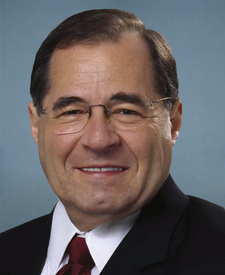
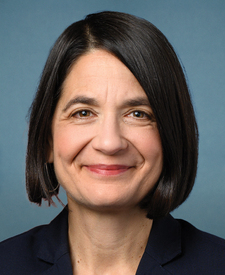
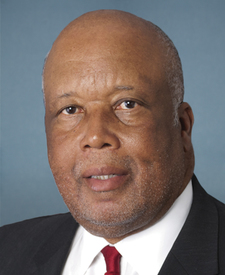
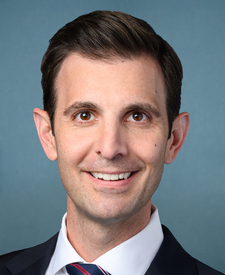
Mr. Nadler (for himself, Ms. DeLauro, Ms. Balint, and Mr. …
Referred to the Committee on the Judiciary, and in addition …
Introduced in House
Stakeholder Effects
cui bono?How this legislation distributes effects. Mention counts reflect frequency, not effect magnitude.
Congressional oversight committees, DHS immigration enforcement staff, Department of Education Office for Civil Rights
Positive-direction: Congressional oversight committees, Department of Education Office for Civil Rights
Negative-direction: DHS immigration enforcement staff, Department of Education staff, Department of Homeland Security staff, Department of Justice staff, FEMA grant staff, Federal agency coordinators, Office of the Director of National Intelligence staff, Secretary of Education
Civil liberties advocates, Civil rights organizations, Community partner organizations
Higher education institutions, Students engaged in political expression
Higher education institutions faces effects in multiple directions
Civil rights complainants, Hate crime victims, Targeted communities
Bill Structure & Actor Mappings
Who is "The Secretary" in each section?
We use a combination of our own taxonomy and classification in addition to large language models to assess meaning and potential beneficiaries. High confidence means strong textual evidence. Always verify with the original bill text.
Learn more about our methodology