BRIDGE for Young-Onset Alzheimer’s Disease Act of 2025
Summary
What This Bill Does
The BRIDGE for Young-Onset Alzheimer Disease Act amends the Social Security Act so people diagnosed with young-onset Alzheimer disease do not wait the usual five months before SSDI benefits begin and do not wait the usual 24 months before Medicare coverage begins after disability entitlement. Section 2 adds young-onset Alzheimer disease to the SSDI waiting-period exemption currently available for ALS and applies to applications filed after the date that is five months before enactment. Section 3 adds the same diagnosis to the Medicare waiting-period waiver and applies to benefits for months beginning after enactment. The definition of young-onset Alzheimer disease is left to the Social Security Commissioner through the Program Operations Manual System or a successor document.
Who Benefits and How
People diagnosed with young-onset Alzheimer disease benefit from faster disability income and Medicare coverage at a stage when the disease can force early workforce exit and significant care needs. Caregivers and families benefit because earlier SSDI and Medicare can reduce gaps in income and health coverage. Clinicians and care providers may see fewer uninsured or delayed-care patients once Medicare coverage starts sooner.
Who Bears the Burden and How
The Social Security Administration must update benefit-processing rules, staff guidance, and systems for the new exemption. Medicare administrators must waive the 24-month waiting period for eligible beneficiaries. Federal disability and Medicare trust funds bear higher near-term benefit and coverage costs because payments and coverage begin earlier. Adjudicators may need to apply the Commissioner definition of young-onset Alzheimer disease consistently.
Key Provisions
- Expands the SSDI five-month waiting-period exemption to people with young-onset Alzheimer disease.
- Applies the SSDI change to applications filed after the date five months before enactment.
- Expands the Medicare 24-month waiting-period waiver to people with young-onset Alzheimer disease.
- Uses the Social Security Commissioner definition through the Program Operations Manual System or a successor document.
Evidence Chain:
This summary is generated from the full bill text using AI analysis. Expand "Detailed Analysis" below for identified beneficiaries/burden bearers with clause-level evidence links.
At a Glance
What This Bill Does
Eliminates the Social Security Disability Insurance five-month waiting period and Medicare 24-month waiting period for people with young-onset Alzheimer disease, aligning those exemptions with existing treatment for ALS.
Key Policy Areas
Social Security, Medicare, Healthcare, Disability Benefits
Primary Purpose
Eliminates the Social Security Disability Insurance five-month waiting period and Medicare 24-month waiting period for people with young-onset Alzheimer disease, aligning those exemptions with existing treatment for ALS.
Policy Domains
Substantive provisions
Identified Gains
- Young-onset Alzheimer disease patients
- Caregivers
- Families
- Clinicians
- Medicare providers
Identified Costs
- Social Security Administration staff
- Medicare administrators
- Federal disability trust funds
- Medicare trust funds
- Federal taxpayers
Sponsors



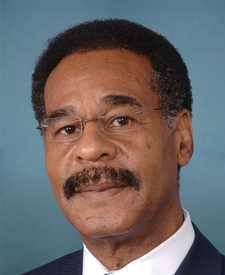
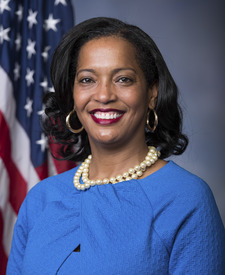
Legislative Progress
In CommitteeMrs. Kim (for herself, Mr. Goldman of New York, Mr. …
Referred to the House Committee on Ways and Means.
Introduced in House
Stakeholder Effects
cui bono?How this legislation distributes effects. Mention counts reflect frequency, not effect magnitude.
Medicare providers, Young-onset Alzheimer disease patients
Medicare administrators, Social Security Administration staff
Federal disability trust funds, Medicare trust funds
Bill Structure & Actor Mappings
Who is "The Secretary" in each section?
- "commissioner"
- → Commissioner of Social Security
We use a combination of our own taxonomy and classification in addition to large language models to assess meaning and potential beneficiaries. High confidence means strong textual evidence. Always verify with the original bill text.
Learn more about our methodology