Federal Prisons Naloxone Access Act of 2025
Summary
What This Bill Does
The Federal Prisons Naloxone Access Act adds a new 18 U.S.C. 4052 requiring opioid antagonist access in Bureau of Prisons facilities. The Director of the Bureau of Prisons must ensure an adequate number of opioid antagonist kits at every BOP correctional facility. Kits must be available in medical housing units, staff breakrooms, visiting areas, living quarters, recreation spaces, dining halls, housing units, work and program locations, hallways, corridor posts, security checkpoints, educational and religious areas, and any area where incarcerated people congregate. Kits must be stored at room temperature, out of direct sunlight, in secure areas accessible to facility personnel, and checked for expiration replacement. Incarcerated persons must be able to access kits to administer them to people who are overdosing. BOP medical staff must provide annual training to personnel and incarcerated people on administering opioid antagonists and recognizing overdose signs or symptoms. The Director must ensure each use is documented, including the circumstances and outcome.
Who Benefits and How
Incarcerated people benefit because naloxone or other opioid antagonists become more available where overdoses may happen, including housing, recreation, dining, work, education, and religious areas. Federal prison staff benefit from annual training and ready access to overdose reversal kits. People experiencing an overdose benefit from faster response by staff or trained incarcerated people. Families of incarcerated people and prison health advocates benefit from a federal standard that reduces avoidable overdose death risk.
Who Bears the Burden and How
Bureau of Prisons administrators must purchase, place, store, secure, inspect, and replace opioid antagonist kits across facilities. BOP medical staff must train personnel and incarcerated people annually. Correctional officers and facility staff must manage access, respond to overdoses, and document each use. Federal taxpayers fund kit procurement, training, storage, replacement, and reporting. Facility administrators must balance secure storage with timely access by personnel and incarcerated people.
Key Provisions
- Requires adequate opioid antagonist kits throughout every Bureau of Prisons correctional facility.
- Requires kits in medical, staff, visiting, living, recreation, dining, housing, work, education, religious, and congregation areas.
- Provides access for incarcerated people to administer kits to people who are overdosing.
- Requires annual staff and incarcerated-person training by BOP medical staff.
- Requires documentation of each opioid antagonist administration event.
Evidence Chain:
This summary is generated from the full bill text using AI analysis. Expand "Detailed Analysis" below for identified beneficiaries/burden bearers with clause-level evidence links.
At a Glance
What This Bill Does
Requires the Bureau of Prisons to maintain accessible opioid antagonist kits throughout each federal correctional facility, train staff and incarcerated people annually to recognize and reverse overdoses, allow incarcerated people to access kits for overdosing people, and document each administration event.
Key Policy Areas
Criminal Justice, Public Health, Prisons, Opioids
Primary Purpose
Requires the Bureau of Prisons to maintain accessible opioid antagonist kits throughout each federal correctional facility, train staff and incarcerated people annually to recognize and reverse overdoses, allow incarcerated people to access kits for overdosing people, and document each administration event.
Policy Domains
Substantive provisions
Identified Gains
- Incarcerated people
- People experiencing overdoses
- Federal prison staff
- BOP medical staff
- Families of incarcerated people
Identified Costs
- Bureau of Prisons administrators
- BOP medical staff
- Correctional officers
- Facility administrators
- Federal taxpayers
Sponsors

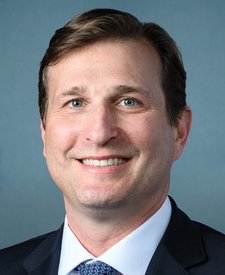
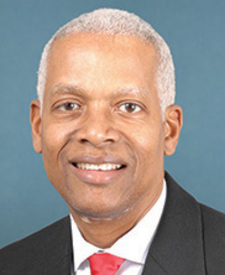
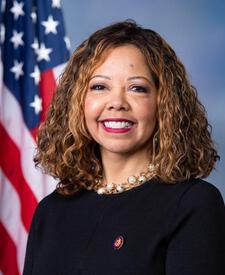

Legislative Progress
In CommitteeMrs. Foushee (for herself, Mrs. McBath, and Mr. Johnson of …
Referred to the House Committee on the Judiciary.
Introduced in House
Stakeholder Effects
cui bono?How this legislation distributes effects. Mention counts reflect frequency, not effect magnitude.
BOP medical staff, People experiencing overdoses
Positive-direction: People experiencing overdoses
Negative-direction: BOP medical staff
Correctional officers, Federal prison staff
Positive-direction: Federal prison staff
Negative-direction: Correctional officers
Bureau of Prisons administrators, Facility administrators
Bill Structure & Actor Mappings
Who is "The Secretary" in each section?
- "agencies"
- → ['Bureau of Prisons']
- "affected_groups"
- → ['Incarcerated people', 'Federal prison staff', 'BOP medical staff', 'Correctional officers', 'Federal taxpayers']
We use a combination of our own taxonomy and classification in addition to large language models to assess meaning and potential beneficiaries. High confidence means strong textual evidence. Always verify with the original bill text.
Learn more about our methodology