Clean Competition Act
Summary
What This Bill Does
The Clean Competition Act adds a carbon-intensity charge subchapter to the Internal Revenue Code. Covered domestic entities must report facility-level and product-level emissions data to Treasury beginning by June 30, 2026 and annually thereafter, using rules tied to EPA and Treasury methodologies. Imported covered primary goods beginning after December 31, 2025, and imported finished goods beginning after December 31, 2027, face a charge when their carbon intensity exceeds the applicable percentage of the baseline carbon intensity for the relevant U.S. covered national industry. The charge is based on excess carbon intensity, quantity imported, and a statutory cost of pollution. Exporters of covered primary goods or finished goods can receive rebates for charges tied to exported goods. The President, Treasury, and relevant agencies may negotiate carbon club agreements with foreign countries that meet measurement, reporting, verification, and enforcement requirements, potentially changing how charges apply to participating countries. The bill defines covered primary goods, finished goods, covered national industries, eligible facilities, baseline carbon intensity, CO2-equivalent, and agency roles for Treasury and EPA.
Who Benefits and How
Domestic manufacturers with lower carbon intensity benefit because imported competitors with higher emissions can face charges. Exporters benefit from rebate rules that reduce charge burdens on goods sold abroad. U.S. firms investing in cleaner production benefit if the charge rewards lower carbon intensity. Treasury and EPA gain a defined framework for measuring and administering carbon intensity. Foreign governments with comparable carbon policies can benefit from carbon club agreements that expand markets for lower-carbon goods.
Who Bears the Burden and How
Importers of covered primary goods and finished goods must calculate, document, and pay charges when carbon intensity exceeds baseline thresholds. Covered domestic facilities must report emissions and production data annually. High-carbon manufacturers, energy-intensive producers, and foreign suppliers face cost and compliance pressure. Treasury tax administrators and EPA emissions staff must write rules, verify data, administer charges, process rebates, and coordinate carbon clubs. Consumers and downstream manufacturers may face higher prices if importers pass through charges.
Key Provisions
- Requires covered entities to report facility and product carbon intensity data beginning by June 30, 2026.
- Imposes carbon intensity charges on covered primary goods imported after 2025 when emissions exceed U.S. industry baselines.
- Expands charges to covered finished goods imported after 2027.
- Provides export rebates for covered primary goods and finished goods tied to charge amounts.
- Authorizes carbon club agreements with foreign countries meeting measurement, reporting, verification, and enforcement standards.
- Defines covered goods, covered national industries, emissions measures, baselines, Treasury roles, and EPA roles.
Evidence Chain:
This summary is generated from the full bill text using AI analysis. Expand "Detailed Analysis" below for identified beneficiaries/burden bearers with clause-level evidence links.
At a Glance
What This Bill Does
Creates a Clean Competition Act carbon intensity charge framework requiring covered domestic facilities to report product-level carbon intensity, imposing charges on imported covered primary goods after 2025 and finished goods after 2027 when emissions exceed baseline thresholds, allowing export rebates, authorizing carbon club agreements, and defining covered industries, goods, emissions, baselines, and administrative roles.
Key Policy Areas
Climate, Trade, Tax, Manufacturing, Energy
Primary Purpose
Creates a Clean Competition Act carbon intensity charge framework requiring covered domestic facilities to report product-level carbon intensity, imposing charges on imported covered primary goods after 2025 and finished goods after 2027 when emissions exceed baseline thresholds, allowing export rebates, authorizing carbon club agreements, and defining covered industries, goods, emissions, baselines, and administrative roles.
Policy Domains
Substantive provisions
Identified Gains
- Domestic low-carbon manufacturers
- Covered goods exporters
- Cleaner production investors
- Treasury tax administrators
- Foreign carbon club governments
Identified Costs
- Covered goods importers
- High-carbon manufacturers
- Covered domestic facilities
- Treasury tax administrators
- EPA emissions staff
- Downstream manufacturers
- Consumers
Sponsors




Legislative Progress
In CommitteeReferred to the Committee on Ways and Means, and in …
Introduced in House
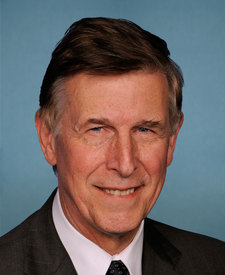
Ms. DelBene (for herself, Mr. Beyer, Ms. Castor of Florida, …
Stakeholder Effects
cui bono?How this legislation distributes effects. Mention counts reflect frequency, not effect magnitude.
EPA emissions staff, President trade negotiators, Treasury customs coordination staff
Cleaner production investors, Covered domestic facilities, Domestic low-carbon manufacturers
Positive-direction: Cleaner production investors, Domestic low-carbon manufacturers, Exporting manufacturers
Negative-direction: Covered domestic facilities
Covered goods exporters, Covered goods importers, Covered primary goods importers
Positive-direction: Covered goods exporters
Negative-direction: Covered goods importers, Covered primary goods importers, Finished goods importers
Foreign carbon club governments, Low-carbon foreign producers
Bill Structure & Actor Mappings
Who is "The Secretary" in each section?
- "agencies"
- → ['Department of the Treasury', 'Environmental Protection Agency', 'Department of Commerce']
- "affected_groups"
- → ['Domestic manufacturers', 'Covered goods importers', 'Covered goods exporters', 'High-carbon manufacturers', 'Consumers', 'Foreign governments']
We use a combination of our own taxonomy and classification in addition to large language models to assess meaning and potential beneficiaries. High confidence means strong textual evidence. Always verify with the original bill text.
Learn more about our methodology