Schedules That Work Act
Summary
What This Bill Does
The Schedules That Work Act creates a federal workplace scheduling framework. It lets employees request schedule changes involving hours, on-call time, work location, advance notice, and reduced fluctuations, and requires employers to engage in a timely good-faith interactive process. Requests tied to serious health conditions, caregiving, education or training, a second job, transportation, public benefit coordination, or other protected reasons receive stronger treatment unless the employer has a bona fide business reason. For covered sector employees in retail, food service, cleaning, hospitality, warehouse, and later-designated occupations, employers must provide schedules 14 days in advance, pay $75 per day for missing schedules, provide predictability pay for late changes, give monthly minimum-hours estimates, offer extra hours to existing qualified employees before hiring new workers, pay split-shift compensation, and respect an 11-hour rest period unless the employee gives written consent and receives 1.5 times pay for the short-rest hours. The bill bans retaliation, gives the Secretary of Labor FLSA-style investigative and subpoena powers, creates damages, civil penalties, equitable relief, and private rights of action, requires workplace notices, directs regulations within 180 days, preserves stronger laws and collective bargaining rights, and exempts covered collective bargaining agreements that expressly waive the Act.
Who Benefits and How
Hourly and low-wage workers benefit because they can request stable schedules and, in covered sectors, receive advance notice, predictability pay, split-shift pay, and rest between shifts. Parents, caregivers, students, workers with second jobs, workers with health conditions, and workers dependent on public benefits or transportation benefit from stronger protections when schedule instability disrupts family, school, medical, benefit, or transit needs. Covered sector employees benefit from extra-hours offer rules before employers hire additional staff. Workers enforcing rights benefit from anti-retaliation protections, damages, civil penalties, and private lawsuits.
Who Bears the Burden and How
Retail, food service, hospitality, cleaning, warehouse, and other covered employers must change scheduling systems, run interactive processes, provide written responses, post notices, keep records, pay predictability or rest-period premiums, offer hours to current staff, and defend decisions with bona fide business reasons. The Department of Labor Wage and Hour Division must investigate, issue regulations, create guidance, run education and research programs, and enforce penalties. Employers face damages, equitable relief, civil penalties, and private litigation exposure. Federal labor agencies and covered congressional or transportation workplace administrators must adapt parallel regulations and enforcement systems.
Key Provisions
- Establishes an employee right to request flexible, predictable, or stable work schedules.
- Requires covered sector employers to provide 14-day schedule notice, monthly hours estimates, predictability pay, and split-shift pay.
- Provides an 11-hour rest period between shifts unless employees consent in writing and receive 1.5 times pay.
- Prohibits retaliation for exercising scheduling rights or participating in proceedings.
- Authorizes Labor Department investigations, damages, civil penalties, equitable relief, and private lawsuits.
- Requires notices, regulations, research, education, technical assistance, and preservation of stronger employee protections.
Evidence Chain:
This summary is generated from the full bill text using AI analysis. Expand "Detailed Analysis" below for identified beneficiaries/burden bearers with clause-level evidence links.
At a Glance
What This Bill Does
Creates federal fair-scheduling rights allowing employees to request flexible, predictable, or stable schedules, imposing advance-notice, predictability-pay, split-shift-pay, and 11-hour rest protections for covered-sector workers, and enforcing the rules through Labor Department investigations, damages, civil penalties, posting duties, regulations, and private lawsuits.
Key Policy Areas
Labor, Employment, Workplace Standards
Primary Purpose
Creates federal fair-scheduling rights allowing employees to request flexible, predictable, or stable schedules, imposing advance-notice, predictability-pay, split-shift-pay, and 11-hour rest protections for covered-sector workers, and enforcing the rules through Labor Department investigations, damages, civil penalties, posting duties, regulations, and private lawsuits.
Policy Domains
Substantive provisions
Identified Gains
- Hourly workers
- Covered sector employees
- Parents
- Caregivers
- Students
- Workers with second jobs
- Workers with health conditions
Identified Costs
- Retail employers
- Food service employers
- Hospitality employers
- Warehouse employers
- Cleaning employers
- Department of Labor Wage and Hour Division
- Federal courts
Sponsors


Legislative Progress
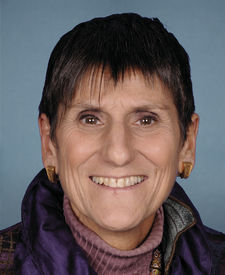
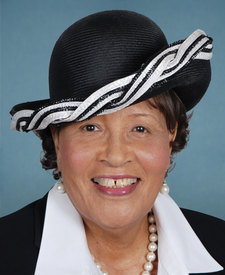
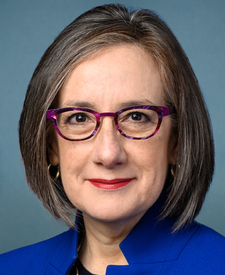
In CommitteeMs. DeLauro (for herself, Ms. Adams, Ms. Ansari, Mrs. Beatty, …
Referred to the Committee on Education and Workforce, and in …
Introduced in House
Stakeholder Effects
cui bono?How this legislation distributes effects. Mention counts reflect frequency, not effect magnitude.
Caregivers, Covered employees, Covered sector employees
Positive-direction: Caregivers, Covered employees, Covered sector employees, Employees, Employees covered by stronger laws, Employees enforcing scheduling rights, Employees requesting schedule changes, Employees with collective bargaining rights, Future covered occupations, Parents, Shift workers
Negative-direction: Labor unions
Cleaning employers, Covered employers, Employers
Positive-direction: Unionized employers
Negative-direction: Cleaning employers, Covered employers, Employers, Employers coordinating overlapping laws, Employers in newly covered occupations, Employers subject to stronger laws, Employers violating scheduling rights
Department of Labor Wage and Hour Division, Department of Labor notice staff, Department of Labor rulemaking staff
Bill Structure & Actor Mappings
Who is "The Secretary" in each section?
- "agencies"
- → ['Department of Labor', 'Wage and Hour Division', 'Office of Congressional Workplace Rights']
- "affected_groups"
- → ['Hourly workers', 'Covered sector employees', 'Retail employers', 'Food service employers', 'Hospitality employers', 'Warehouse employers', 'Cleaning employers']
We use a combination of our own taxonomy and classification in addition to large language models to assess meaning and potential beneficiaries. High confidence means strong textual evidence. Always verify with the original bill text.
Learn more about our methodology