Housing Crisis Response Act of 2025
Summary
What This Bill Does
The Housing Crisis Response Act of 2025 is a multi-title housing spending and policy bill. It appropriates $65 billion for public housing capital repairs, replacements, Capital Fund uses, and competitive transformation grants. It puts $25 billion into affordable housing production through HOME and the Housing Trust Fund, $750 million into a Treasury Housing Investment Fund for CDFIs and nonprofit housing organizations, $500 million each for Section 811 disability housing and Section 202 elderly housing, $2 billion for energy efficiency and climate resilience in affordable multifamily housing, $1.6 billion for distressed multifamily properties, and $2 billion for USDA rural rental housing. It adds $24 billion for housing vouchers, including extremely low-income families, people experiencing homelessness, and domestic-violence survivors, plus $1 billion for project-based rental assistance. It provides $1 billion for Native American and Native Hawaiian housing programs. It increases Federal Home Loan Bank affordable housing contributions to 15 percent of net income through 2031 and requires accessibility and visitability standards for federally assisted housing. Later titles fund CDBG housing and infrastructure, lead-paint and health-hazard mitigation, zoning and planning grants, NFIP debt cancellation and premium discounts, community land trusts and shared-equity projects, fair housing enforcement, first-generation downpayment assistance, FHA and USDA loan guarantees, small-dollar mortgage pilots, rural home repair grants, HUD administration, and community-led technical assistance.
Who Benefits and How
Public housing residents benefit because $65 billion targets repairs, replacements, and distressed-property transformation. Low-income renters, extremely low-income families, homeless households, domestic-violence survivors, very low-income renters, elderly tenants, and people with disabilities benefit from vouchers, project-based assistance, Section 202, Section 811, accessibility rules, and supportive housing capital. State and local housing agencies, public housing authorities, CDFIs, nonprofit housing organizations, community development corporations, community land trusts, Native tribes, Native Hawaiian housing programs, housing counseling agencies, mortgage lenders, and technical assistance providers benefit from grants, loans, guarantees, and administrative funding. First-generation homebuyers, FHA-insured borrowers, buyers of lower-cost homes, rural homeowners needing repairs, low-income NFIP policyholders, colonia communities, and families facing lead hazards benefit from targeted assistance that lowers costs, reduces risk, or improves access to safe housing.
Who Bears the Burden and How
HUD must administer dozens of appropriations, grants, inspections, accessibility rules, fair housing programs, downpayment assistance, mortgage pilots, technical assistance, and oversight systems. USDA Rural Housing Service must manage rural rental and rural repair funding. Treasury must create and administer the Housing Investment Fund through the CDFI Fund. FEMA and the National Flood Insurance Program absorb debt cancellation and premium discount administration. Federal Home Loan Banks must contribute 15 percent of net income to affordable housing programs through 2031, raising their mandatory contribution burden. Housing developers receiving federal assistance must meet mobility, hearing, vision, and visitability requirements. Property owners, landlords, public housing authorities, grantees, CDFIs, nonprofit recipients, and State or local agencies must comply with eligibility, affordability, accessibility, reporting, and oversight conditions. Federal taxpayers bear the cost of the appropriations, subsidies, loan supports, and agency administration.
Key Provisions
- Appropriates $65 billion for public housing repairs, replacements, Capital Fund support, and transformation grants.
- Provides $25 billion for HOME and Housing Trust Fund affordable housing production and $750 million for a Treasury Housing Investment Fund.
- Appropriates $24 billion for housing vouchers and $1 billion for project-based rental assistance.
- Provides dedicated funding for Section 811 disability housing, Section 202 elderly housing, Native housing, rural rental housing, and rural home repairs.
- Increases Federal Home Loan Bank affordable housing contributions to 15 percent of net income through 2031.
- Requires accessibility and visitability standards for federally assisted multifamily and single-family housing.
- Funds CDBG housing and infrastructure, lead-hazard control, zoning reform, community land trusts, fair housing enforcement, and community-led capacity building.
- Cancels NFIP debt to Treasury and provides income-based flood-insurance premium discounts.
- Establishes first-generation downpayment assistance, FHA and USDA loan capacity, and a small-dollar mortgage demonstration program.
- Supports HUD administration, training, technical assistance, inspections, research, financial reporting, and oversight.
Evidence Chain:
This summary is generated from the full bill text using AI analysis. Expand "Detailed Analysis" below for identified beneficiaries/burden bearers with clause-level evidence links.
At a Glance
What This Bill Does
Appropriates a large housing-affordability package for fiscal year 2026, including public housing repairs, HOME and Housing Trust Fund production, vouchers, Native housing, accessibility rules, community development, lead-hazard control, flood-insurance relief, first-generation downpayment assistance, FHA and USDA loan capacity, small-dollar mortgages, rural repairs, HUD oversight, and community-led capacity building.
Key Policy Areas
Housing, Appropriations, Community Development, Fair Housing, Mortgage Finance
Primary Purpose
Appropriates a large housing-affordability package for fiscal year 2026, including public housing repairs, HOME and Housing Trust Fund production, vouchers, Native housing, accessibility rules, community development, lead-hazard control, flood-insurance relief, first-generation downpayment assistance, FHA and USDA loan capacity, small-dollar mortgages, rural repairs, HUD oversight, and community-led capacity building.
Policy Domains
Substantive provisions
Identified Gains
- Public housing residents
- Low-income renters
- Extremely low-income families
- Homeless households
- Domestic-violence survivors
- People with disabilities
- Elderly tenants
- Native tribes
- First-generation homebuyers
- Rural homeowners
- Community land trusts
- Fair housing organizations
Identified Costs
- HUD administrators
- USDA Rural Housing Service staff
- Treasury CDFI Fund staff
- FEMA flood insurance administrators
- Federal Home Loan Banks
- Housing developers receiving federal assistance
- Public housing authorities
- Federal taxpayers
Sponsors
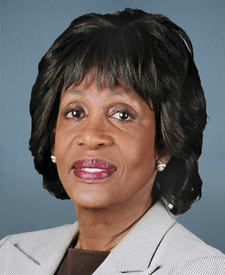
Legislative Progress
In CommitteeMs. Waters introduced the following bill; which was referred to …
Referred to the Committee on Appropriations, and in addition to …
Introduced in House
Stakeholder Effects
cui bono?How this legislation distributes effects. Mention counts reflect frequency, not effect magnitude.
Protected class members, Taxpayers
Positive-direction: Protected class members
Negative-direction: Taxpayers
Affordable housing developers, Fair housing organizations, Housing counseling agencies
Community Development Financial Institutions, Community banks and credit unions, Federal Home Loan Banks
Positive-direction: Community Development Financial Institutions, Community banks and credit unions, Mortgage lenders, National Flood Insurance Program
Negative-direction: Federal Home Loan Banks
Colonia communities, Extremely low-income renters, Low-income communities
Affordable housing developers, Construction and renovation contractors, Home repair contractors
Positive-direction: Affordable housing developers, Construction and renovation contractors, Home repair contractors, Housing developers
Negative-direction: Housing developers receiving federal assistance
Buyers of lower-cost homes, First-generation homebuyers, Low-income NFIP policyholders
State and local fair housing agencies, State and local governments, State and local governments reforming zoning
Bill Structure & Actor Mappings
Who is "The Secretary" in each section?
- "agencies"
- → ['Department of Housing and Urban Development', 'Department of Agriculture Rural Housing Service', 'Department of the Treasury', 'Federal Emergency Management Agency']
- "programs"
- → ['Public Housing Capital Fund', 'HOME Investment Partnerships Program', 'Housing Trust Fund', 'Housing Choice Vouchers', 'Section 811 supportive housing', 'Section 202 supportive housing', 'National Flood Insurance Program', 'First Generation Downpayment Fund']
- "affected_groups"
- → ['Public housing residents', 'Low-income renters', 'Homeless households', 'Domestic-violence survivors', 'People with disabilities', 'Elderly tenants', 'Native tribes', 'First-generation homebuyers', 'Federal Home Loan Banks', 'Federal taxpayers']
We use a combination of our own taxonomy and classification in addition to large language models to assess meaning and potential beneficiaries. High confidence means strong textual evidence. Always verify with the original bill text.
Learn more about our methodology