Housing Our Communities Act
Summary
What This Bill Does
The Housing Our Communities Act requires the Secretary of Housing and Urban Development to establish a competitive grant program within 1 year of enactment. Grants support planning and implementation activities associated with affordable housing. Regional planning agencies and consortia must use funds for housing plans, substantial improvement of State or local housing strategies, new regulatory requirements and processes, zoning-code updates, housing-inspection capacity, reduced barriers to housing supply elasticity and affordability, local or regional community development plans, and community development strategies that increase affordable housing, improve access to public transportation, and advance sustainable or location-efficient development. The text makes HUD the program designer and grant administrator while pushing capacity-building money to public and regional entities that can change land-use, planning, inspection, and community-development systems.
Who Benefits and How
Regional planning agencies benefit because they can receive federal funds to build affordable-housing planning capacity across jurisdictions. Local governments benefit from support for zoning updates, housing strategies, inspections, and barrier-reduction work that can be hard to fund locally. Affordable-housing developers and tenants benefit indirectly if grant-funded regulatory and planning changes make it easier to approve, build, or preserve affordable units. Communities with weak transit access or location-inefficient development benefit from planning strategies that connect housing availability with transportation and sustainable development.
Who Bears the Burden and How
HUD grant administrators must design the competitive program within 1 year, evaluate eligible applicants, monitor uses of funds, and enforce grant terms. Regional planning agencies and local governments receiving grants must document eligible planning or implementation work and align spending with affordable-housing objectives. State and local zoning officials may face pressure to rewrite codes, processes, and inspection systems. Federal taxpayers fund the grant program and HUD oversight workload.
Key Provisions
- Requires HUD to establish a competitive affordable-housing planning and implementation grant program within 1 year.
- Authorizes grants for housing plans, improved State or local housing strategies, regulatory processes, zoning-code updates, and inspection capacity.
- Provides support for reducing barriers to housing supply elasticity and affordability.
- Funds community development plans that expand affordable housing, transportation access, and sustainable or location-efficient development.
Evidence Chain:
This summary is generated from the full bill text using AI analysis. Expand "Detailed Analysis" below for identified beneficiaries/burden bearers with clause-level evidence links.
At a Glance
What This Bill Does
Directs HUD to create a competitive grant program within 1 year for affordable-housing planning and implementation, funding regional planning agencies, local governments, and eligible entities that update zoning, housing strategies, inspection capacity, community development plans, and barriers to housing supply and affordability.
Key Policy Areas
Housing, HUD, Local Government, Community Development
Primary Purpose
Directs HUD to create a competitive grant program within 1 year for affordable-housing planning and implementation, funding regional planning agencies, local governments, and eligible entities that update zoning, housing strategies, inspection capacity, community development plans, and barriers to housing supply and affordability.
Policy Domains
Substantive provisions
Identified Gains
- Regional planning agencies
- Local governments
- Affordable-housing developers
- Affordable housing tenants
- Transit-dependent communities
Identified Costs
- HUD grant administrators
- Regional planning agency staff
- Local government planners
- State zoning officials
- Federal taxpayers
Sponsors
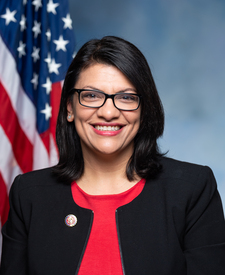
Rashida Tlaib
D-MI | Primary Sponsor
Legislative Progress
In CommitteeMs. Tlaib introduced the following bill; which was referred to …
Referred to the House Committee on Financial Services.
Introduced in House
Stakeholder Effects
cui bono?How this legislation distributes effects. Mention counts reflect frequency, not effect magnitude.
Regional planning agencies and local governments expanding affordable housing capacity
Bill Structure & Actor Mappings
Who is "The Secretary" in each section?
- "agencies"
- → ['Department of Housing and Urban Development']
- "affected_groups"
- → ['Regional planning agencies', 'Local governments', 'Affordable-housing developers', 'Affordable housing tenants', 'Federal taxpayers']
We use a combination of our own taxonomy and classification in addition to large language models to assess meaning and potential beneficiaries. High confidence means strong textual evidence. Always verify with the original bill text.
Learn more about our methodology