Health Equity and MENA Community Inclusion Act of 2025
Summary
What This Bill Does
The Health Equity and MENA Community Inclusion Act aligns federal minority-health law with the 2024 Office of Management and Budget recognition of Middle Eastern and North African populations in Statistical Policy Directive 15. It defines MENA to include individuals or populations tied to nationalities or ethnic groups from the Middle Eastern and North African region, such as Lebanese, Iranians, Egyptians, Moroccans, Yemenis, Chaldeans, Imazighen, Kurds, Palestinians, and Yazidis. It amends the Public Health Service Act definition of racial and ethnic minority groups to include Middle Easterners and North Africans alongside Blacks or African Americans and Hispanics. It states that federal programs using that definition should apply the change without harming other minority groups. Within 2 years, HHS must identify and update regulations, guidance, orders, and documents for health care or public health programs, activities, or surveys that use minority-group terminology without defining it. HHS must also conduct or support a comprehensive study of MENA health patterns and outcomes, with enumeration and subpopulation data on behavioral, physiological, environmental, genetic, demographic, and social determinants of health.
Who Benefits and How
Middle Eastern and North African communities benefit because federal minority-health programs and surveys would recognize them explicitly instead of folding them into broader categories. Lebanese, Iranian, Egyptian, Moroccan, Yemeni, Chaldean, Imazighen, Kurdish, Palestinian, Yazidi, and other MENA subpopulations benefit from data collection that can reveal distinct health risks and access gaps. Office of Minority Health programs benefit from clearer statutory authority to include MENA populations in disparity work. Researchers and community health organizations benefit from a required study that can support more targeted public health interventions.
Who Bears the Burden and How
HHS civil rights, public health, and data staff must identify affected regulations, guidance, orders, documents, programs, activities, and surveys within 2 years and update them as needed. HHS study staff or contractors must enumerate MENA populations, disaggregate subpopulations, and measure risk factors, chronic conditions, demographics, English proficiency, income, insurance, education, housing, and other social determinants. Program administrators must apply the revised definition while avoiding negative impacts on other racial or ethnic minority groups. Federal taxpayers fund the study, administrative review, and implementation work.
Key Provisions
- Defines Middle Eastern and North African populations for the Act using regional nationalities and ethnic groups.
- Expands the Public Health Service Act minority-health definition to include Middle Easterners and North Africans.
- Requires HHS to identify and update health program regulations, guidance, orders, and documents using undefined minority-group terms.
- Requires a comprehensive MENA health study with enumeration and subpopulation-level data.
- Protects other racial and ethnic minority groups from negative effects when HHS implements the inclusion.
Evidence Chain:
This summary is generated from the full bill text using AI analysis. Expand "Detailed Analysis" below for identified beneficiaries/burden bearers with clause-level evidence links.
At a Glance
What This Bill Does
Adds Middle Eastern and North African populations to the Public Health Service Act definition of racial and ethnic minority groups, directs HHS to update regulations and guidance using that definition, and requires a comprehensive MENA health study with subpopulation-level data.
Key Policy Areas
Public Health, Civil Rights, Health Data, HHS
Primary Purpose
Adds Middle Eastern and North African populations to the Public Health Service Act definition of racial and ethnic minority groups, directs HHS to update regulations and guidance using that definition, and requires a comprehensive MENA health study with subpopulation-level data.
Policy Domains
Substantive provisions
Identified Gains
- Middle Eastern and North African communities
- MENA subpopulations
- Office of Minority Health programs
- Public health researchers
- Community health organizations
Identified Costs
- HHS public health staff
- HHS data staff
- Program administrators
- Federal taxpayers
Sponsors
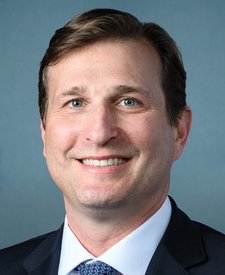
Legislative Progress
In CommitteeMs. Tlaib (for herself, Mrs. Dingell, Ms. Kelly of Illinois, …
Referred to the House Committee on Energy and Commerce.
Introduced in House
Stakeholder Effects
cui bono?How this legislation distributes effects. Mention counts reflect frequency, not effect magnitude.
Middle Eastern and North African populations
Bill Structure & Actor Mappings
Who is "The Secretary" in each section?
- "agencies"
- → ['Department of Health and Human Services', 'Office of Minority Health', 'Office of Management and Budget']
- "affected_groups"
- → ['Middle Eastern and North African communities', 'Lebanese communities', 'Iranian communities', 'Egyptian communities', 'Moroccan communities', 'Yemeni communities', 'Chaldean communities', 'Kurdish communities', 'Palestinian communities', 'Yazidi communities']
We use a combination of our own taxonomy and classification in addition to large language models to assess meaning and potential beneficiaries. High confidence means strong textual evidence. Always verify with the original bill text.
Learn more about our methodology