Essential Caregivers Act of 2025
Summary
What This Bill Does
The Essential Caregivers Act responds to pandemic-era nursing-home isolation by amending Medicare and Medicaid facility rules. It requires skilled nursing facilities and nursing facilities to recognize each resident right to designate essential caregivers, including through a resident representative when cognitive or mental disability prevents the resident from doing so. During emergency periods when ordinary visitation is restricted, facilities must allow at least one essential caregiver to visit every day and at any time, subject to written safety protocols no more restrictive than staff protocols and reasonable roommate accommodations. A facility may deny access for an initial period of up to 7 days and one additional 7-day period only with State approval, but must allow access for residents in end-of-life care or decline or distress. If access is denied for noncompliance, the facility must give a written warning, then a written explanation within 24 hours with appeal options. HHS must issue a final rule within 2 years establishing appeals to State survey agencies, which must begin investigation within 2 business days and decide within 48 hours after investigation starts. If a facility violates the rule, the State survey agency must require immediate access, a corrective action plan within 7 days, and may impose a civil money penalty up to $5,000 for failure to implement the plan. The bill also applies similar requirements to intermediate care facilities for individuals with intellectual disabilities and certain campus-linked inpatient rehabilitation facilities.
Who Benefits and How
Long-term care residents benefit because they gain a statutory right to designate essential caregivers who can provide in-person assistance during emergencies. Residents with dementia, cognitive disabilities, or mental disabilities benefit because resident representatives can make the designation when the resident cannot. Essential caregivers and family members benefit from daily access rights, written explanations for denials, and appeal rights. Residents in end-of-life care or decline or distress benefit most directly because the bill says they must be allowed essential-caregiver access even when emergency restrictions exist. Long-term care ombudsmen and resident advocates benefit from clearer federal standards to enforce resident isolation protections.
Who Bears the Burden and How
Skilled nursing facilities, Medicaid nursing facilities, intermediate care facilities for individuals with intellectual disabilities, and covered inpatient rehabilitation facilities must update policies, track caregiver designations, apply staff-level safety protocols, issue written warnings and denial explanations, accommodate roommates, and carry the burden of proof in appeals. HHS must conduct stakeholder consultation and promulgate implementing regulations. State survey agencies must receive appeals, start investigations within 2 business days, issue determinations within 48 hours after investigation begins, order immediate access and corrective plans, and assess penalties when facilities fail to comply. Facility administrators face civil money penalties up to $5,000 if corrective action plans are not implemented on time.
Key Provisions
- Establishes a resident right to designate and amend essential caregivers in skilled nursing and nursing facilities.
- Requires facilities to allow at least one essential caregiver daily access during emergency visitation restrictions.
- Limits denial of access to 7 days, or 14 days with State approval, and protects access for residents in end-of-life care or decline or distress.
- Requires written warnings, 24-hour denial explanations, and appeal options for residents and caregivers.
- Requires HHS to issue appeal-process regulations within 2 years and State survey agencies to investigate quickly.
- Authorizes corrective action plans and civil money penalties up to $5,000 for facility noncompliance.
Evidence Chain:
This summary is generated from the full bill text using AI analysis. Expand "Detailed Analysis" below for identified beneficiaries/burden bearers with clause-level evidence links.
At a Glance
What This Bill Does
Creates a federal right for residents of skilled nursing facilities, nursing facilities, certain intermediate care facilities, and campus-linked inpatient rehabilitation facilities to designate essential caregivers who can visit during emergency visitation restrictions, with appeal rights, State survey agency investigations, corrective action plans, and civil money penalties up to $5,000.
Key Policy Areas
Long-Term Care, Health Care, Medicare, Medicaid, Disability Services
Primary Purpose
Creates a federal right for residents of skilled nursing facilities, nursing facilities, certain intermediate care facilities, and campus-linked inpatient rehabilitation facilities to designate essential caregivers who can visit during emergency visitation restrictions, with appeal rights, State survey agency investigations, corrective action plans, and civil money penalties up to $5,000.
Policy Domains
Substantive provisions
Identified Gains
- Long-term care residents
- Residents with dementia
- Essential caregivers
- Family members
- Long-term care ombudsmen
- Resident advocates
Identified Costs
- Skilled nursing facilities
- Medicaid nursing facilities
- Intermediate care facilities
- Inpatient rehabilitation facilities
- HHS rulemaking staff
- State survey agencies
Sponsors
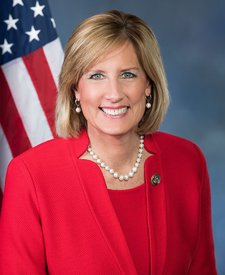
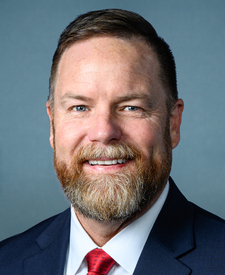

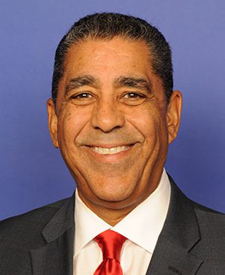
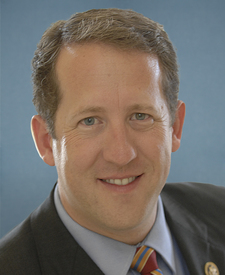
Legislative Progress
In CommitteeReferred to the Committee on Energy and Commerce, and in …
Introduced in House
Ms. Tenney (for herself, Mr. Larson of Connecticut, Mr. Fitzpatrick, …
Stakeholder Effects
cui bono?How this legislation distributes effects. Mention counts reflect frequency, not effect magnitude.
Inpatient rehabilitation facilities, Intermediate care facilities, Long-term care residents
Positive-direction: Long-term care residents, Residents with dementia
Negative-direction: Inpatient rehabilitation facilities, Intermediate care facilities, Medicaid nursing facilities, Skilled nursing facilities
Bill Structure & Actor Mappings
Who is "The Secretary" in each section?
- "agencies"
- → ['Department of Health and Human Services', 'Centers for Medicare and Medicaid Services', 'State survey agencies']
- "affected_groups"
- → ['Long-term care residents', 'Residents with dementia', 'Essential caregivers', 'Family members', 'Skilled nursing facilities', 'Medicaid nursing facilities', 'Intermediate care facilities', 'Inpatient rehabilitation facilities']
Key Definitions
Terms defined in this bill
We use a combination of our own taxonomy and classification in addition to large language models to assess meaning and potential beneficiaries. High confidence means strong textual evidence. Always verify with the original bill text.
Learn more about our methodology