Veterans Affairs Advisory Committee Oversight Act of 2025
Summary
What This Bill Does
The Veterans Affairs Advisory Committee Oversight Act restructures VA advisory infrastructure. It creates a Veterans Health Advisory Committee covering prosthetics, rehabilitation, geriatrics, toxic exposures, mental health, readjustment counseling, disabled veterans, and aging veterans. It creates a Veterans Economic Opportunity and Transition Advisory Committee covering education benefits, training programs, employment, hiring, recently separated veterans, homelessness prevention, and recovery programs. It creates an Advisory Committee on Veterans Special Populations with women veterans, veterans from outlying areas and Freely Associated States, minority-veteran experts, tribal and insular-area expertise, and other underserved-community representation. It also creates an Advisory Committee on Former Prisoners of War, Compensation, and Memorial Affairs. Separately, it sunsets several existing VA advisory committees on September 30, 2026, repeals a defunct education advisory committee provision, and requires a VA report within 30 days listing authorized inactive committees and committees with lapsed authorization.
Who Benefits and How
Disabled veterans, aging veterans, women veterans, minority veterans, tribal veterans, insular-area veterans, recently separated veterans, homeless veterans, and former prisoners of war benefit because the new committees reserve seats for people with direct experience or expertise in their needs. Veterans service organizations and advocates benefit from formal channels to advise VA leadership. Congress benefits from a near-term report identifying inactive or outdated advisory bodies. VA program leaders benefit from clearer committee mandates organized around health, transition, special populations, compensation, and memorial affairs.
Who Bears the Burden and How
VA administrators must appoint members, stagger terms, designate chairs, manage meetings, collect advice, and maintain the new committees. Existing VA advisory committees subject to the September 30, 2026 sunsets face termination risk unless Congress renews or replaces them. VA reporting staff must identify inactive and lapsed advisory bodies within 30 days. Federal taxpayers bear the administrative cost of committee operations, member support, reporting, and oversight.
Key Provisions
- Establishes a Veterans Health Advisory Committee focused on VA care needs, toxic exposures, mental health, aging, disability, and rehabilitation.
- Establishes a Veterans Economic Opportunity and Transition Advisory Committee for education, employment, training, homelessness, and recently separated veterans.
- Establishes an Advisory Committee on Veterans Special Populations for women veterans, minority veterans, tribal veterans, insular-area veterans, and outlying-area veterans.
- Establishes an Advisory Committee on Former Prisoners of War, Compensation, and Memorial Affairs.
- Adds September 30, 2026 termination dates for several VA advisory committees.
- Requires VA to report inactive or lapsed advisory committees to Congress within 30 days.
Evidence Chain:
This summary is generated from the full bill text using AI analysis. Expand "Detailed Analysis" below for identified beneficiaries/burden bearers with clause-level evidence links.
At a Glance
What This Bill Does
Creates four Department of Veterans Affairs advisory committees, sets September 30, 2026 termination dates for several existing VA committees, repeals defunct committee language, and requires VA to report inactive or lapsed advisory bodies to the House and Senate Veterans Affairs Committees.
Key Policy Areas
Veterans, Government Oversight, Health Care, Education
Primary Purpose
Creates four Department of Veterans Affairs advisory committees, sets September 30, 2026 termination dates for several existing VA committees, repeals defunct committee language, and requires VA to report inactive or lapsed advisory bodies to the House and Senate Veterans Affairs Committees.
Policy Domains
Substantive provisions
Identified Gains
- Disabled veterans
- Aging veterans
- Women veterans
- Minority veterans
- Tribal veterans
- Former prisoners of war
- Veterans service organizations
- Congressional oversight committees
Identified Costs
- VA administrators
- VA reporting staff
- Existing VA advisory committees
- Federal taxpayers
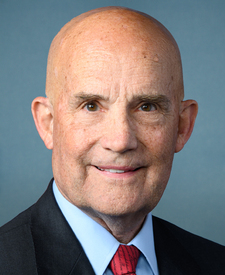
Sponsors
Legislative Progress
In CommitteeCommittee Hearings Held
Committee Hearings Held
Referred to the House Committee on Veterans' Affairs.
Introduced in House
Mr. Self introduced the following bill; which was referred to …
Stakeholder Effects
cui bono?How this legislation distributes effects. Mention counts reflect frequency, not effect magnitude.
Department of Veterans Affairs administrators, Existing VA advisory committees subject to termination dates, VA administrators serving historically underserved veterans
Bill Structure & Actor Mappings
Who is "The Secretary" in each section?
- "agencies"
- → ['Department of Veterans Affairs', 'House Veterans Affairs Committee', 'Senate Veterans Affairs Committee']
- "affected_groups"
- → ['Disabled veterans', 'Aging veterans', 'Women veterans', 'Minority veterans', 'Tribal veterans', 'Former prisoners of war', 'Veterans service organizations']
We use a combination of our own taxonomy and classification in addition to large language models to assess meaning and potential beneficiaries. High confidence means strong textual evidence. Always verify with the original bill text.
Learn more about our methodology