People’s White House Historic Preservation Act
Summary
What This Bill Does
The Peoples White House Historic Preservation Act amends 54 U.S.C. 307104 by striking the White House and its grounds from a list of places where the historic-preservation division does not apply. Because the bill only removes that exclusion, its practical effect appears to be that federal historic-preservation procedures would apply to the White House and its grounds. That could matter for construction, renovation, demolition, landscape, or infrastructure work affecting the White House complex because preservation review officials would have a clearer statutory role before projects move forward.
Who Benefits and How
Historic preservation advocates benefit because the White House and its grounds would no longer be outside the referenced preservation framework. Public historians and cultural-resource professionals benefit from stronger review expectations for one of the most visible federal historic properties. Advisory Council on Historic Preservation staff and National Park Service preservation staff benefit from a clearer legal hook for consultation or review when White House grounds projects affect historic resources.
Who Bears the Burden and How
Executive Office of the President facilities staff must account for federal preservation procedures when planning covered White House or grounds projects. White House project managers, construction planners, and renovation contractors may face additional review steps, documentation, scheduling constraints, and consultation burdens. Preservation review officials must handle any added consultation workload created by bringing the White House complex within the preservation framework.
Key Provisions
- Amends the National Historic Preservation Act framework by removing the White House and its grounds from an inapplicability provision.
- Extends preservation-law coverage to future White House and grounds projects that fall within the division.
- Requires executive-branch facilities planners to account for preservation review before covered projects proceed.
- Provides preservation officials and advocates a clearer statutory basis for review of White House grounds work.
- Strengthens public historic-property oversight without creating a new grant or funding program.
Evidence Chain:
This summary is generated from the full bill text using AI analysis. Expand "Detailed Analysis" below for identified beneficiaries/burden bearers with clause-level evidence links.
At a Glance
What This Bill Does
Makes the federal historic-preservation division apply to the White House and its grounds by removing the White House from a statutory inapplicability provision, increasing preservation review expectations for future White House grounds projects.
Key Policy Areas
Historic Preservation, Federal Property, Executive Branch
Primary Purpose
Makes the federal historic-preservation division apply to the White House and its grounds by removing the White House from a statutory inapplicability provision, increasing preservation review expectations for future White House grounds projects.
Policy Domains
Substantive provisions
Identified Gains
- Historic preservation advocates
- Public historians
- Cultural-resource professionals
- Advisory Council on Historic Preservation staff
- National Park Service preservation staff
Identified Costs
- Executive Office facilities staff
- White House project managers
- Construction planners
- Renovation contractors
- Preservation review officials
Sponsors

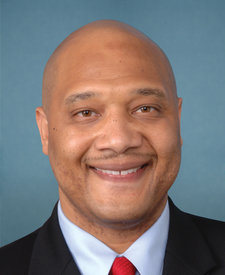
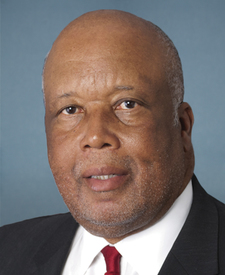


Legislative Progress
In CommitteeMr. Raskin (for himself, Mr. Carson, Mr. Carter of Louisiana, …
Referred to the House Committee on Natural Resources.
Introduced in House
Bill Structure & Actor Mappings
Who is "The Secretary" in each section?
- "agencies"
- → ['Advisory Council on Historic Preservation', 'National Park Service', 'Executive Office of the President']
- "affected_groups"
- → ['Historic preservation advocates', 'Public historians', 'White House project managers', 'Construction planners', 'Renovation contractors']
We use a combination of our own taxonomy and classification in addition to large language models to assess meaning and potential beneficiaries. High confidence means strong textual evidence. Always verify with the original bill text.
Learn more about our methodology