Black Lung Benefits Improvement Act of 2025
Summary
What This Bill Does
This bill makes broad changes to black lung benefits for coal miners and survivors. It expands the medical evidence that can establish complicated pneumoconiosis or progressive massive fibrosis, requires Labor to help claimants develop pulmonary evidence including CT scans and supplemental evidence, creates criminal penalties and sanctions for false statements or intimidation in black lung proceedings, allows readjudication when denied claims relied on discredited negative radiograph opinions, establishes a fund-backed program for attorneys fees and unreimbursed medical expenses in qualifying contested claims, raises annual benefit levels beginning at $10,769 in 2026 and indexes them, lets Labor receive Social Security earnings records for claims administration, requires a strategy to reduce Office of Administrative Law Judges backlogs, tightens coal mine operator self-insurance rules, and formally establishes the Office of Workers Compensation Programs in Labor.
Who Benefits and How
Coal miners with black lung disease, survivors of miners, dependent family members, black lung claimants, attorneys representing claimants, and beneficiaries waiting for adjudication benefit from stronger presumptions, better medical evidence, readjudication opportunities, higher indexed payments, and fee support. Claimants may be less disadvantaged against coal companies because the Department of Labor must help produce medical evidence and pay certain litigation costs from the fund.
Who Bears the Burden and How
Coal mine operators, coal mine insurers, coal mine self-insurers, physicians submitting evidence, attorneys in black lung proceedings, Department of Labor administrators, Social Security Administration earnings-record staff, Office of Administrative Law Judges staff, and federal taxpayers must handle broader liability, new sanctions, payment-security rules, reimbursement rules, evidence-development duties, confidentiality requirements, and backlog-reduction work.
Key Provisions
- Expands black lung eligibility by recognizing CT scans, biopsies, autopsies, and other relevant tests for complicated pneumoconiosis or progressive massive fibrosis.
- Requires Labor to provide complete pulmonary evaluations and supplemental medical evidence for claimants.
- Creates sanctions for false statements, intimidation, discovery misconduct, and attorney misconduct in black lung proceedings.
- Allows readjudication of claims affected by discredited negative chest-radiograph opinions.
- Creates a payment program for claimant attorneys fees and unreimbursed medical expenses in qualifying contested claims.
- Raises black lung benefit amounts, indexes future payments, and strengthens payment security for coal operator liabilities.
Evidence Chain:
This summary is generated from the full bill text using AI analysis. Expand "Detailed Analysis" below for identified beneficiaries/burden bearers with clause-level evidence links.
At a Glance
What This Bill Does
Overhaul the Black Lung Benefits Act by expanding medical presumptions, strengthening claimant evidence development, adding sanctions and readjudication paths, funding claimant fees and medical expenses, raising benefits, sharing earnings records, reducing adjudication delays, and tightening coal-operator self-insurance security.
Key Policy Areas
Labor, Healthcare, Mining, Administrative Law
Primary Purpose
Overhaul the Black Lung Benefits Act by expanding medical presumptions, strengthening claimant evidence development, adding sanctions and readjudication paths, funding claimant fees and medical expenses, raising benefits, sharing earnings records, reducing adjudication delays, and tightening coal-operator self-insurance security.
Policy Domains
Substantive provisions
Identified Gains
- Coal miners with black lung disease
- Survivors of miners
- Dependent family members
- Black lung claimants
- Claimant attorneys
- Beneficiaries waiting for adjudication
Identified Costs
- Coal mine operators
- Coal mine insurers
- Coal mine self-insurers
- Department of Labor administrators
- Social Security Administration staff
- Office of Administrative Law Judges staff
- Federal taxpayers
Sponsors
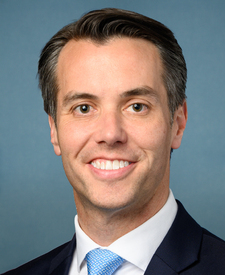
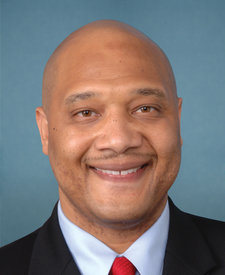


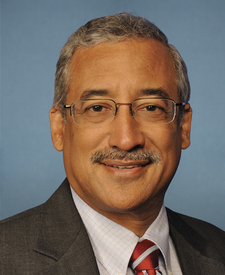
Legislative Progress
In CommitteeMr. McGarvey (for himself, Mr. Scott of Virginia, and Ms. …
Referred to the Committee on Education and Workforce, and in …
Introduced in House
Stakeholder Effects
cui bono?How this legislation distributes effects. Mention counts reflect frequency, not effect magnitude.
Black lung beneficiaries dependent on secure payments, Black lung claimants affected by discredited radiographs, Black lung claimants in contested cases
Administrative law judges imposing sanctions, Black Lung Disability Trust Fund staff, Department of Labor backlog strategy staff
Coal mine operators, Coal mine operators facing sanctions, Coal mine operators reimbursing fee payments
Attorneys in black lung proceedings, Attorneys representing black lung claimants, Claimant attorneys receiving approved fees
Positive-direction: Attorneys representing black lung claimants, Claimant attorneys receiving approved fees
Negative-direction: Attorneys in black lung proceedings
Medical experts in black lung proceedings, Physicians on qualified examiner lists, Qualified physicians evaluating black lung claims
Positive-direction: Physicians on qualified examiner lists, Qualified physicians evaluating black lung claims
Negative-direction: Medical experts in black lung proceedings
Dependent family members receiving black lung benefits
Bill Structure & Actor Mappings
Who is "The Secretary" in each section?
- "Beneficiaries"
- → ['Coal miners', 'Survivors', 'Family members', 'Claimants', 'Attorneys', 'Beneficiaries']
- "Burden bearers"
- → ['Coal mine operators', 'Coal mine insurers', 'Self-insurers', 'Department of Labor administrators', 'Social Security Administration staff', 'Office of Administrative Law Judges staff', 'Federal taxpayers']
Key Definitions
Terms defined in this bill
We use a combination of our own taxonomy and classification in addition to large language models to assess meaning and potential beneficiaries. High confidence means strong textual evidence. Always verify with the original bill text.
Learn more about our methodology