Accountable Leadership for Veterans Act of 2025
Summary
What This Bill Does
This bill changes senior leadership rules at the Department of Veterans Affairs. It raises the cap on Senior Executive Service positions in the Department filled by noncareer appointees from 5 percent to 10 percent. It also rewrites the Under Secretary for Health and Under Secretary for Benefits provisions so both offices are filled by presidential appointment with Senate advice and consent.
Who Benefits and How
The President, VA Secretary, Senate Veterans Affairs committees, and political leadership teams benefit from more direct accountability and appointment leverage over VA senior leadership, including Veterans Health Administration and Veterans Benefits Administration leadership. Veterans may benefit if Senate-confirmed leaders improve oversight of health and benefits performance.
Who Bears the Burden and How
Career VA executives, VA human resources staff, Senate confirmation staff, and nominees for Under Secretary positions face greater political appointment and confirmation process burdens. The Department must manage a higher noncareer SES cap and coordinate presidential nomination, vetting, and Senate confirmation for the two Under Secretary posts.
Key Provisions
- Raises the VA noncareer Senior Executive Service cap from 5 percent to 10 percent.
- Requires the VA Under Secretary for Health to be appointed by the President with Senate confirmation.
- Requires the VA Under Secretary for Benefits to be appointed by the President with Senate confirmation.
- Strengthens political and Senate accountability for senior VA health and benefits leadership.
Evidence Chain:
This summary is generated from the full bill text using AI analysis. Expand "Detailed Analysis" below for identified beneficiaries/burden bearers with clause-level evidence links.
At a Glance
What This Bill Does
Increase the allowed share of VA Senior Executive Service positions filled by noncareer appointees from 5 percent to 10 percent and make the VA Under Secretaries for Health and Benefits presidentially appointed, Senate-confirmed officers.
Key Policy Areas
Veterans, Government Administration, Healthcare
Primary Purpose
Increase the allowed share of VA Senior Executive Service positions filled by noncareer appointees from 5 percent to 10 percent and make the VA Under Secretaries for Health and Benefits presidentially appointed, Senate-confirmed officers.
Policy Domains
Substantive provisions
Identified Gains
- President
- Secretary of Veterans Affairs
- Senate Veterans Affairs committees
- VA political leadership teams
- Veterans receiving VA services
Identified Costs
- Career VA executives
- VA human resources staff
- Senate confirmation staff
- Under Secretary nominees
Sponsors
Legislative Progress
In CommitteeCommittee Hearings Held
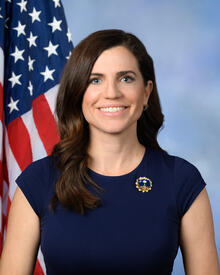
Ms. Mace introduced the following bill; which was referred to …
Referred to the House Committee on Veterans' Affairs.
Introduced in House
Bill Structure & Actor Mappings
Who is "The Secretary" in each section?
- "Beneficiaries"
- → ['President', 'Secretary of Veterans Affairs', 'Senate committees', 'Leadership teams', 'Veterans']
- "Burden bearers"
- → ['Career VA executives', 'VA human resources staff', 'Senate staff', 'Nominees']
Key Definitions
Terms defined in this bill
We use a combination of our own taxonomy and classification in addition to large language models to assess meaning and potential beneficiaries. High confidence means strong textual evidence. Always verify with the original bill text.
Learn more about our methodology