Gang Activity Reporting Act of 2025
Summary
What This Bill Does
This bill adds a new title 28 reporting section requiring the Attorney General, with the Secretary of Homeland Security and FBI Director and in coordination with State and local law enforcement agencies, to submit an initial report within 150 days and annual reports thereafter to the House and Senate Judiciary and Appropriations Committees. The report must cover gang activity, reporting, investigation, and prosecution, including 10-year growth of local, national, and transnational gangs, numerical data, changes in gang membership, location, activities, enterprises, and relevant State and local data.
Who Benefits and How
Congressional Judiciary and Appropriations Committees, federal policymakers, State law enforcement agencies, local police departments, crime analysts, and communities affected by gang violence benefit from more current national data than the older 2011 National Gang Threat Assessment. The reports can support evidence-based decisions about investigations, prosecutions, and public-safety resources.
Who Bears the Burden and How
The Attorney General, Department of Justice analysts, DHS intelligence staff, FBI gang investigators, State law enforcement agencies, and local police departments must compile data, coordinate definitions, reconcile State and local sources, prepare recurring reports, and submit them to Congress on the statutory deadlines.
Key Provisions
- States findings that gangs were linked to a large share of violent crime in older DOJ data and that updated reporting is needed.
- Requires an initial gang activity report within 150 days after enactment.
- Requires annual reports after the initial report through the end of each fiscal year.
- Requires DOJ, DHS, FBI, and State and local law enforcement coordination.
- Requires reporting on 10-year gang growth, numerical data, membership changes, locations, activities, and enterprises.
Evidence Chain:
This summary is generated from the full bill text using AI analysis. Expand "Detailed Analysis" below for identified beneficiaries/burden bearers with clause-level evidence links.
At a Glance
What This Bill Does
Require DOJ, DHS, FBI, and State and local law enforcement coordination on recurring reports to Congress about gang growth, activity, investigations, prosecutions, and enforcement trends.
Key Policy Areas
Law Enforcement, Crime, Government Oversight
Primary Purpose
Require DOJ, DHS, FBI, and State and local law enforcement coordination on recurring reports to Congress about gang growth, activity, investigations, prosecutions, and enforcement trends.
Policy Domains
Substantive provisions
Identified Gains
- Congressional Judiciary Committees
- Congressional Appropriations Committees
- State law enforcement agencies
- Local police departments
- Communities affected by gang violence
Identified Costs
- Attorney General
- Department of Justice analysts
- DHS intelligence staff
- FBI gang investigators
- State law enforcement agencies
- Local police departments
Sponsors
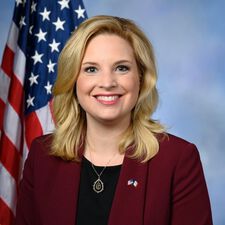

Legislative Progress
In CommitteeMrs. Hinson (for herself and Ms. Kaptur) introduced the following …
Referred to the House Committee on the Judiciary.
Introduced in House
Stakeholder Effects
cui bono?How this legislation distributes effects. Mention counts reflect frequency, not effect magnitude.
DHS intelligence staff, FBI gang investigators, Local police departments sharing gang data
Congressional Appropriations Committees, Congressional Judiciary Committees, Department of Justice analysts
Positive-direction: Congressional Appropriations Committees, Congressional Judiciary Committees
Negative-direction: Department of Justice analysts, Department of Justice reporting staff
Bill Structure & Actor Mappings
Who is "The Secretary" in each section?
- "Beneficiaries"
- → ['Congressional committees', 'Law enforcement agencies', 'Police departments', 'Communities']
- "Burden bearers"
- → ['Attorney General', 'Department of Justice analysts', 'DHS staff', 'FBI investigators', 'State law enforcement agencies', 'Local police departments']
Key Definitions
Terms defined in this bill
We use a combination of our own taxonomy and classification in addition to large language models to assess meaning and potential beneficiaries. High confidence means strong textual evidence. Always verify with the original bill text.
Learn more about our methodology